








Introduction:The Geisha coffee from Panama's Hacienda Esmeralda has long held the throne of top-tier specialty coffee. With three distinct grades — Red Label, Green Label, and Blue Label — each offers unique characteristics, with noticeable differences in both price and flavor. This article delves into the evolution of the Geisha variety from Ethiopia to Panama, details the three main growing regions and grading system of Hacienda Esmeralda, and provides practical pour over recommendations and pricing references to help coffee enthusiasts choose according to their preferences and savor the unique flavor layers of Geisha.
When it comes to specialty coffee, the Geisha (Geisha) from Panama’s Hacienda Esmeralda is undoubtedly a dream coffee for many enthusiasts. Especially its three grades — Red Label, Green Label, and Blue Label — not only vary greatly in price, but also deliver distinctly different flavor profiles. What exactly are the differences between these Geisha lots? Why is there such a significant price gap? This article will provide a comprehensive analysis, covering everything from the origin of the variety, regional distribution, grading system, to practical brewing advice.
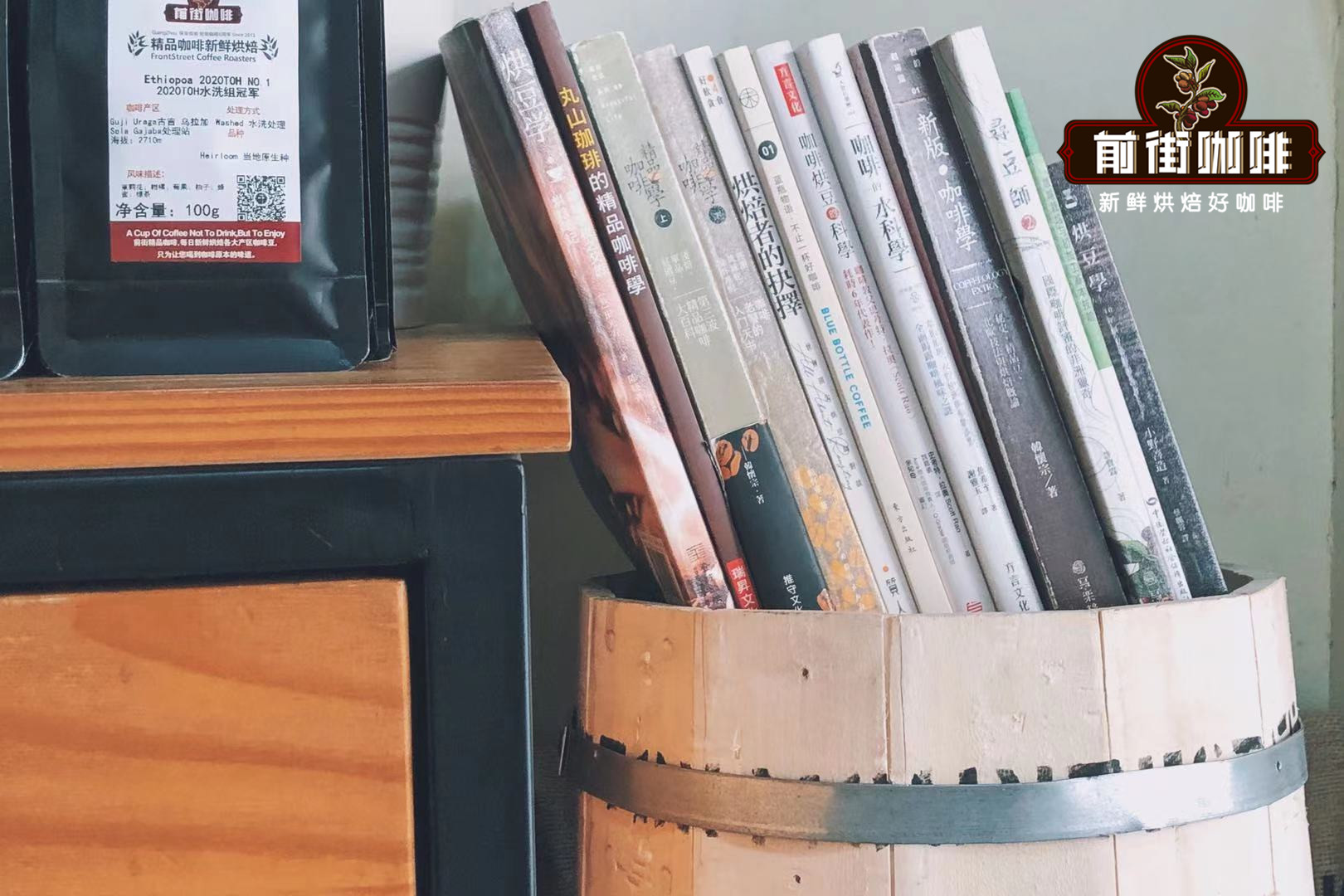
If you’ve ever wondered what the most expensive coffee in the world is, the answer might surprise you — it’s neither Blue Mountain nor Kopi Luwak, but the auction-grade Geisha from Panama’s Hacienda Esmeralda. One particular lot, #2703A, once fetched a price of $1,200 for just 60 grams, and that didn’t even include shipping. Such a price tag reflects the top-tier status that Geisha holds in the specialty coffee world.
When mentioning Geisha, most people first think of Panama’s Hacienda Esmeralda. However, the true homeland of Geisha is actually Ethiopia. Although the variety name is the same in both places, the Geisha from these two origins have entirely different genetic backgrounds and flavor expressions. Understanding this difference is the first step into the world of Geisha.
The Geisha variety was first discovered in 1931 in the Gesha forest of Ethiopia, then traveled through Kenya, Uganda, Tanzania, and eventually made its way to Costa Rica, before finally being introduced to Panama in 1963 by Don Pachi Serracin. Initially, due to its low yield, it was mostly used as a windbreak. It wasn’t until the 2003 and 2004 Best of Panama (BOP) competitions that Hacienda Esmeralda’s Geisha made a stunning debut, paving the way for its journey to becoming a top-tier coffee.
Many people, when first trying Geisha, wonder: what exactly is the difference between Ethiopian and Panamanian Geisha? Simply put, it’s not just about the origin — the varieties themselves also differ in lineage. Ethiopian Geisha mainly consists of heirloom varieties discovered as wild types by documentary filmmaker Adam Overton and BOP judge Willem Boot in the Gesha village, with the Gesha Village Estate established in 2011. The varieties grown there include Gori Gesha, Gesha 1931, and Illubabor Forest 1974 (IF), which share no direct genetic relationship with Panamanian Geisha.
Hacienda Esmeralda is the driving force behind making Panamanian Geisha famous worldwide. Since establishing its washed processing facility in 1994, the estate has continuously refined Geisha cultivation, planting it across three premium growing regions based on altitude and microclimate: Jaramillo, Cañas Verdes, and El Velo. Among them, Jaramillo, at an altitude of 1600–1700 meters with large diurnal temperature variations, is the primary source of Red Label Geisha; Cañas Verdes, with a similar altitude, is also a major producing area for both Red and Green Labels; while El Velo is the newest high-altitude area developed, mainly used for producing Blue Label and blended lots.
Hacienda Esmeralda categorizes its Geisha into three main grades based on altitude and cupping scores. The highest grade, Esmeralda Special (aka Red Label), is limited to lots grown at 1600–1800 meters with cupping scores above 90, processed either washed or natural, and available only through global auctions. Green Label Private Collection also comes from high-altitude regions at 1600–1800 meters, though it doesn’t participate in auctions. It retains intense floral and fruity notes with bright citrus acidity, making it a popular entry point for many Geisha enthusiasts. Blue Label Geisha 1500 is grown at 1400–1500 meters, blending Geisha from several small sub-regions. It has traditionally been offered only in washed versions, but this year also introduced a natural variant, offering relatively better value for money.
There are four main reasons why Geisha is so expensive: first, it has received numerous high ratings from international institutions such as the SCA; second, its growing regions have unique climates that are hard to replicate, and factors like climate change and pest threats result in limited production; third, demand for Geisha in Asian markets, especially China, has been rising year by year; fourth, most top-tier Geisha is sold via auctions where the highest bidder wins, further driving up market prices.
If you’d like to experience the charm of Geisha firsthand, you might want to start with the Green Label or Blue Label. By using proper brewing methods, you can enjoy its delicate floral aromas, bright acidity, and rich layers of fruit flavors. Here’s a practical pour over recommendation: use a Hario V60 filter, water temperature around 90°C, coffee-to-water ratio of 1:15, and a medium-fine grind (approximately 80% passing through a Chinese standard No. 20 sieve). For technique, try the three-stage pour — start with a 30-second bloom using 30 grams of water, then pour slowly until reaching 125 grams, wait until the water level is about to expose the coffee bed before pouring up to 225 grams, and finally remove the filter once the water level drops again. Total brew time should be around 2 minutes to fully extract the delicate flavors of Geisha.
Whether you’re a beginner or a seasoned coffee enthusiast, understanding the grades, origins, and correct brewing methods of Geisha will allow you to more deeply appreciate the unique allure of this top-tier coffee.
The above content is compiled by CoffeeHunters, a coffee news website.


