







Introduction:Although Honduras has long been regarded as a source of mid-tier blended beans, it actually possesses significant potential for producing specialty-grade coffee. Since the first Cup of Excellence (COE) competition in 2004, the country’s coffee has gradually garnered international attention. This article will take an in-depth look at Honduras’ six major coffee-growing regions and two distinctive micro-regions, with a focus on analyzing the characteristics of coffee beans from Sweet Orange Estate in La Paz Province and Mocha Estate in the Masaguara region. We will also share roasting and pour-over parameters for washed Catuaí, guiding you through a comprehensive understanding of Honduran coffee—from regional terroir to practical brewing techniques.
As one of the key coffee-producing countries in Central America, Honduras was previously often categorized as a source of “mid-tier blend beans,” with relatively unremarkable flavor profiles. However, since the inaugural COE (Cup of Excellence) competition in 2004, international buyers have begun to notice the coffee potential hidden within this land. In particular, Sweet Orange Estate in La Paz Province in the southwest, and Mocha Estate in the Masaguara region, have gradually made their mark in the specialty coffee market thanks to their unique flavor profiles and refined processing methods.
Honduras, along with neighboring countries such as El Salvador, Guatemala, and Nicaragua, belongs to the Central American coffee belt. These nations have already demonstrated their excellent coffee quality through the COE competitions. Yet, Honduras’ potential has long been underestimated. It is believed that the flavor of coffee is not determined by borders, but rather by the combined influence of microclimates, altitude, coffee varieties, and processing methods. In 2004, El Pezote Estate won the top prize in Honduras’ first COE competition, proving that the country is indeed capable of growing high-quality coffee. By 2021, Finca Santa Lucia from the Comayagua region, with its Geisha variety, scored an impressive 90.67 points, once again drawing significant market attention.
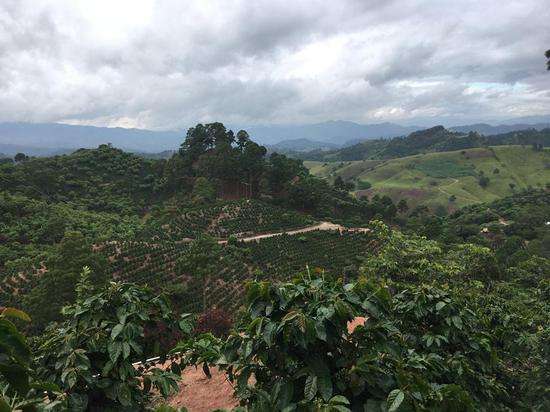
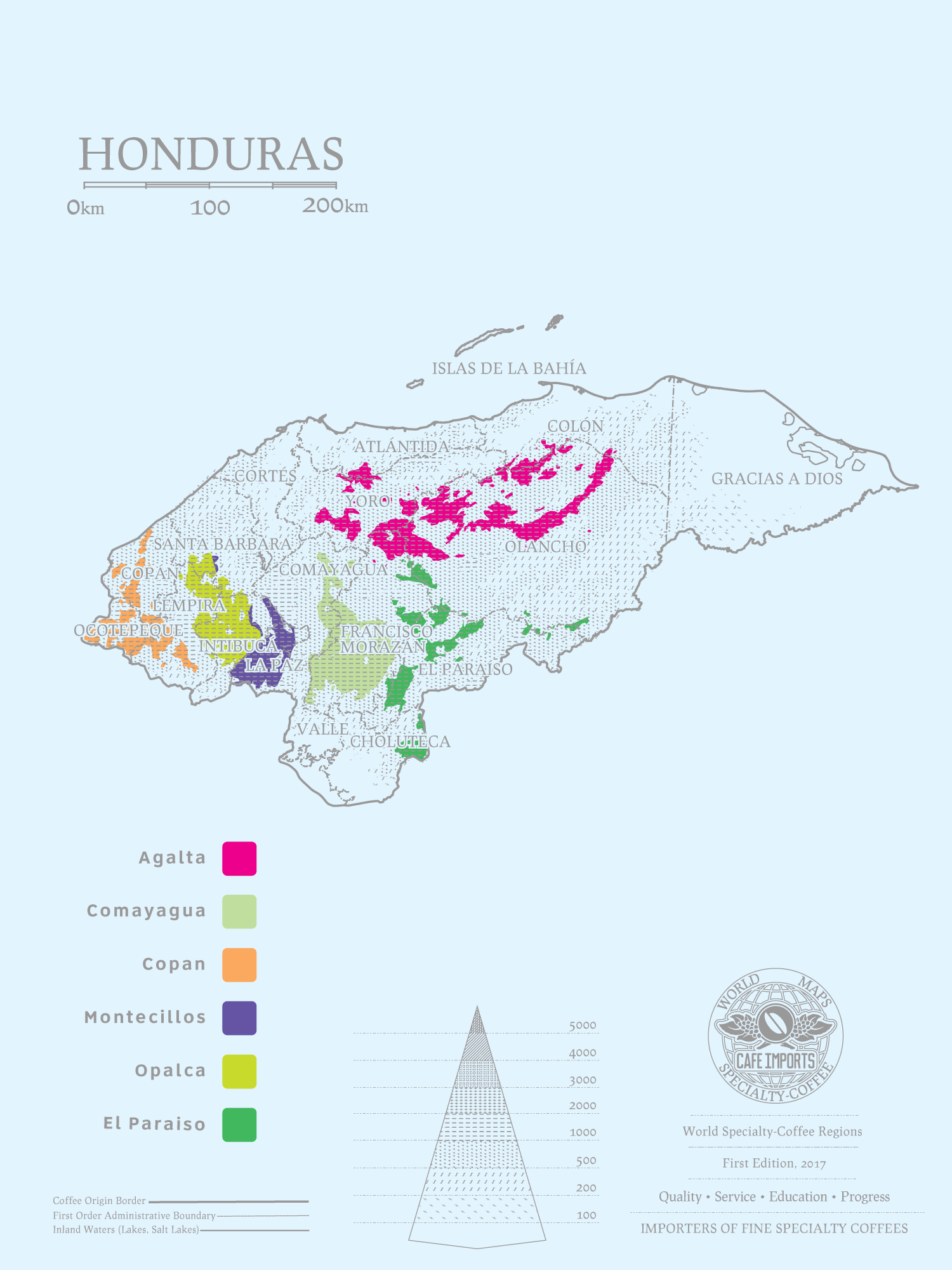
Honduras can be broadly divided into six major coffee-growing regions: Copen, El Paraíso, Comayagua, Opalaca, Montecillos, and Agalta. These regions, due to differences in altitude, soil, and microclimate, produce coffee with distinct flavor characteristics. In addition, some smaller regions have also shown surprising potential, such as the southwestern La Paz Province and the Masaguara region. Below, we will focus on two highly representative estates—Sweet Orange Estate and Mocha Estate—to explore their unique flavor profiles and cultivation backgrounds.
Sweet Orange Estate (El Naranjo) is located in the Marcala area of Honduras, which is part of the La Paz region. Marcala is not only a renowned coffee-producing area in Honduras but also the country’s first city to be certified as a “Coffee Cultural Landscape.” The region sits at an altitude of approximately 1,200 to 1,600 meters, with an average annual temperature of around 27°C, humid air, and mineral-rich soil, providing an ideal environment for coffee trees. The name Sweet Orange Estate comes from the abundance of wild orange trees in its cultivation area. These orange trees not only offer natural shade but also subtly influence the flavor profile of the coffee beans with their aroma.
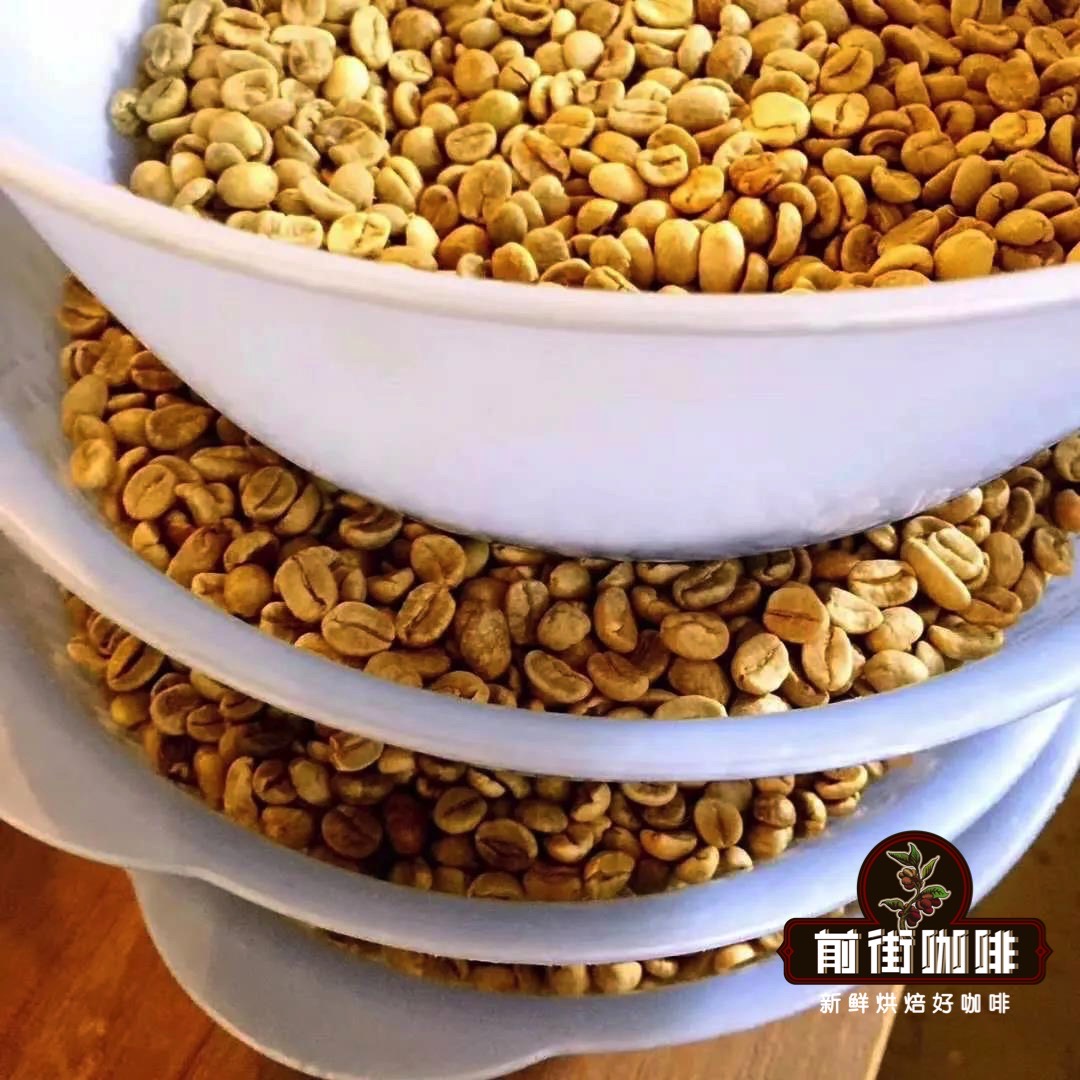
Sweet Orange Estate primarily grows the Catuaí variety and employs the washed processing method. Cupping analysis reveals that this coffee exhibits a complex flavor profile of citrus, melon, floral notes, cane sugar, orange peel, nuts, and tea-like qualities. Upon tasting, the bright acidity of the orange peel balances harmoniously with the sweetness of the cane sugar, complemented by a nutty and tea-like finish. The overall profile is layered and boasts a long-lasting aftertaste. During cupping, its delicate floral notes and nutty undertones reminiscent of sunflower seeds were particularly noted, making it an excellent choice for coffee enthusiasts who enjoy bright acidity and fruity flavors.
In addition to the washed Catuaí from Sweet Orange Estate, we also recommend a washed Catuály coffee bean, medium-roasted and suitable for both pour-over and espresso SOE extraction. This coffee showcases rich notes of nuts, cocoa, and chocolate, with a stable flavor profile and ease of brewing, making it a popular choice for both novice and experienced coffee drinkers. For roasting, a light-to-medium roast strategy was employed using a Taiwanese Yangjia Feima 800N roaster, with a charge weight of 300 grams. The charge temperature was set at 200°C, the yellowing point occurred at approximately 5 minutes 15 seconds at 154°C, and first crack appeared at 9 minutes 11 seconds at 186.5°C. Roasting continued for about 2 minutes after first crack, with the coffee being dropped at 192.4°C to preserve bright acidity and enhance the aroma of chocolate and nuts.
For pour-over recommendations, we suggest using a Hario V60 dripper, with water temperature controlled at 90°C, a coffee dose of 15 grams, a brew ratio of 1:15, and a grind size passing 80% through a standard #20 sieve. Specifically, start with a 30-second bloom using 30 grams of water, then pour in a circular motion to reach 125 grams for the first pour. After the water level drops, continue pouring to 225 grams before stopping. Finally, remove the dripper just before the water level exposes the coffee bed. The total extraction time is around 2 minutes, effectively highlighting the richness and aromatic layers of the washed Catuaí.
In summary, Honduran coffee is no longer synonymous with “mid-tier blend beans.” Thanks to the momentum of the COE competitions and the development of specialty micro-regions, the country has gradually demonstrated potential on par with its neighbors. Whether it’s the citrusy notes of Sweet Orange Estate or the nutty, chocolatey flavors of washed Catuaí, these coffees offer diverse taste experiences for coffee lovers. We hope this article not only helps readers gain a deeper understanding of Honduras’ regional characteristics but also provides practical roasting and pour-over parameters, enabling you to brew internationally competitive Honduran coffee at home.
The above content is compiled by CoffeeHunters, a coffee news website.


