







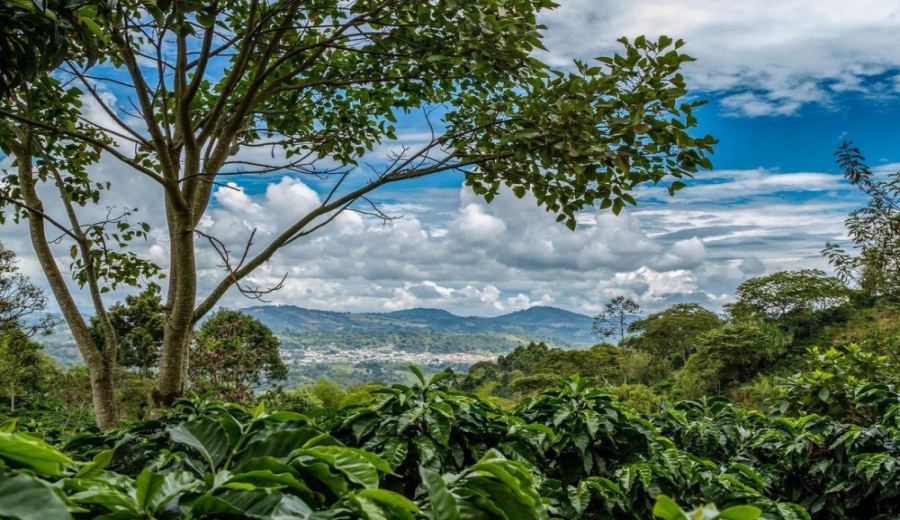
Introduction:Colombian coffee is renowned for its bright acidity and complex flavors, advantages that stem from its unique geographical environment and high-altitude cultivation traditions. This article delves into the reasons behind the acidity of Colombian coffee, compares its taste and processing styles with those of Brazilian coffee, and provides a detailed analysis of the five core growing regions—Medellín, Santander, Huila, Cauca, and Nariño—including their variety characteristics, altitude distribution, and cupping flavor profiles. It also offers practical pour over parameters and roasting recommendations to help you better grasp the diverse charm of this important South American coffee-producing country.
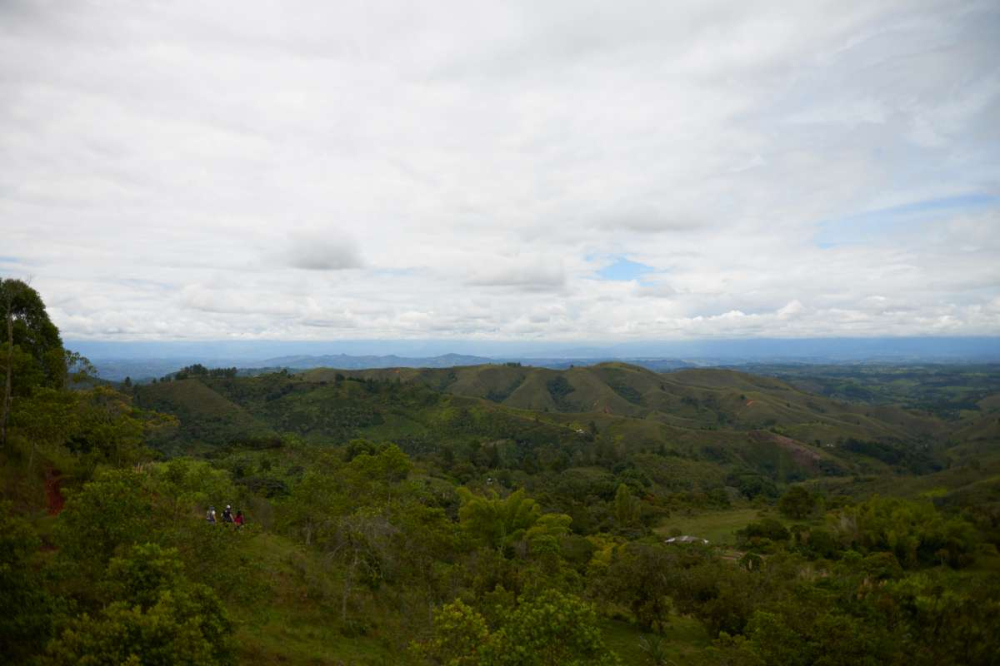
Colombia benefits from having dual-coast access to both the Atlantic and Pacific Oceans, a rare advantage in South America that gives its coffee exports significant competitiveness in transportation costs. The country’s main coffee-growing areas are concentrated in the high-altitude regions of the Andes Mountains, including the Eastern and Central Cordilleras, as well as southern areas such as Huila, Cauca, and Nariño. These factors contribute to Colombian coffee’s generally pronounced acidity, rich layers, and distinctive regional flavors.
Among Colombia’s many producing regions, Medellín, Armenia, and Manizales are collectively known as the MAM Golden Triangle, representing key areas of the central mountain range. Coffee from these regions typically features full beans, concentrated aromas, gentle acidity, and good sweetness, making them particularly suitable for dark roasting, which can further bring out rich spicy and chocolatey aftertastes.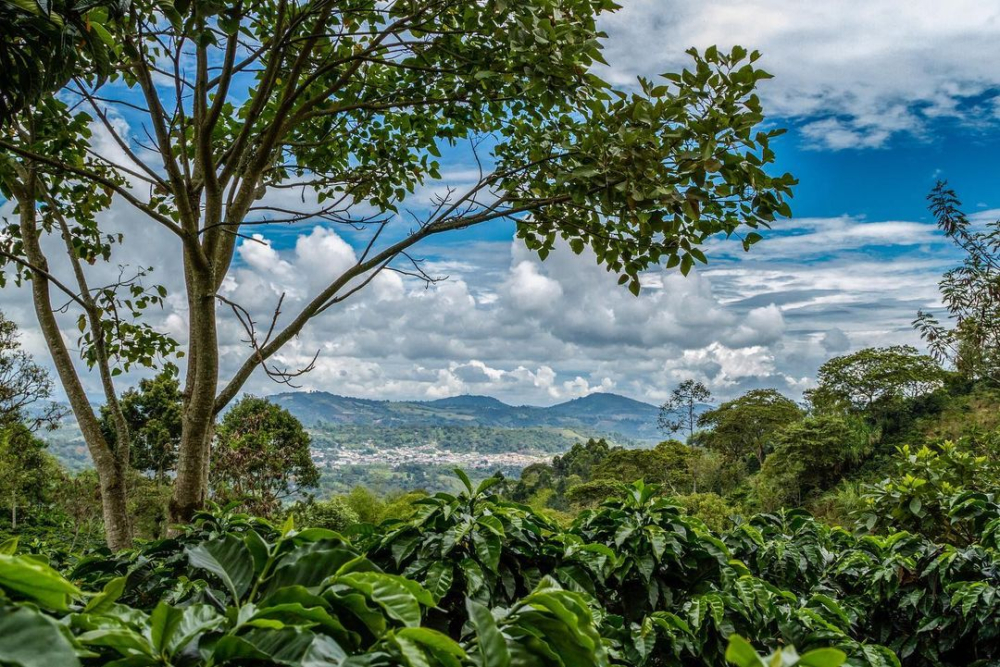
Santander Province, located in northern Colombia, is not a mainstream producing area but is one of the earliest regions in the country to start coffee cultivation, currently accounting for about 5% of national production. Its coffee is grown at altitudes of around 1400 to 1600 meters, often exhibiting strong fruitiness, a full body, and a unique herbal character, making it ideal for drinkers who prefer bold and rich flavors.
The acidity profile of Colombian coffee is closely related to its high-altitude growing environment. In high-altitude regions, the large diurnal temperature variation slows down the ripening process of coffee cherries, which helps accumulate flavor compounds and acidity. This results in the bright citrus acidity, berry acidity, and multi-layered fruity and floral notes commonly found in Colombian coffee—a stark contrast to the low-acidity, full-bodied profile typical of Brazilian coffee.
Huila, located in southwestern Colombia, is one of the country’s top-producing regions, accounting for about 12% of national output. The area has numerous small sub-regions, many of which have developed into market-recognizable brands. Huila coffee generally offers notes of nuts, dark chocolate, and caramel, with soft acidity and balanced flavors. It suits medium-light to medium roasting, highlighting excellent body and sweetness.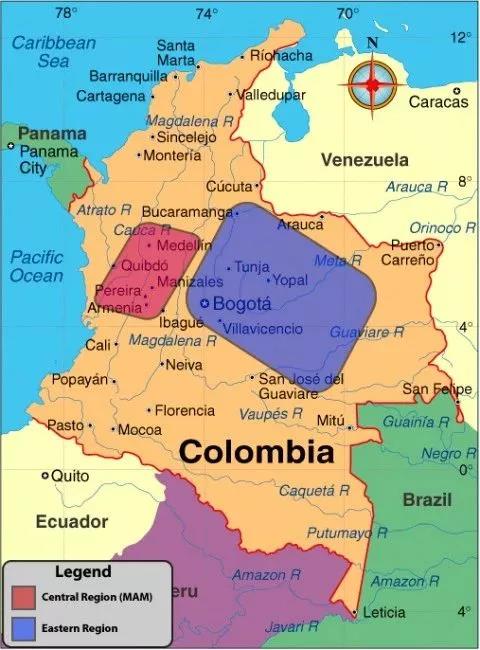
Cauca Province is renowned for its high altitude and notable diurnal temperature variation, with an average elevation of about 1758 meters, and some areas even exceeding 2100 meters. This climate condition slows the growth rate of coffee cherries, promoting the accumulation of sugars and acidity. Cauca coffee often features bright berry notes, excellent sweet-acid balance, and a unique tea-like aftertaste, making it a must-try for coffee lovers who enjoy fruity acidity and a fresh mouthfeel.
Nariño is the southwesternmost producing region of Colombia. Though it accounts for only about 3% of national production, it boasts exceptionally ideal conditions for coffee cultivation. Close to the equator, most of the region sits at elevations above 1600 meters, with some microclimates reaching up to 2300 meters. Coupled with fertile volcanic soil, significant day-night temperature differences, and stable rainfall patterns, Nariño produces coffee with intense fruitiness, nutty tones, and distinctive spicy aftertastes. Coffee from this region is best brewed using a medium-fine grind via pour over, which fully highlights its complex flavor layers.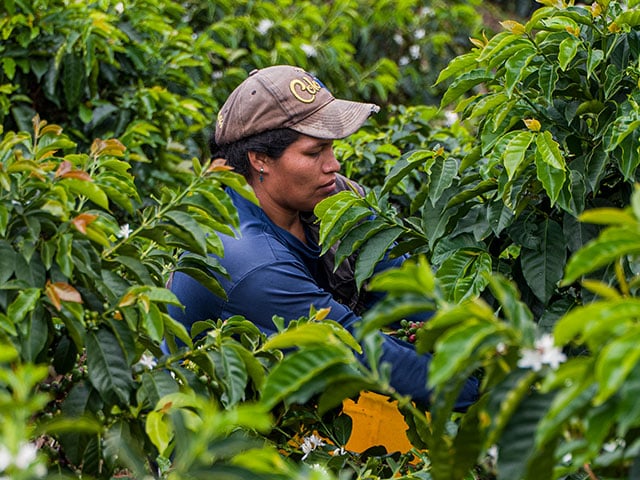 〉
For coffee beans from different regions, it is recommended to adopt appropriate roasting and brewing strategies to fully showcase their potential. For example, medium-altitude beans from Huila and Cauca suit medium-light roasting to preserve their clear acidity and fruitiness, while high-altitude beans from Medellín and Nariño can be considered for medium-dark roasting to enhance sweetness and body. For pour over, it is suggested to control water temperature between 90 to 92°C, adjusting grind size according to roast level—typically medium-fine (e.g., 80% through a #20 sieve) for medium-light roasts. A 1:15 brew ratio is recommended, and a three-stage extraction method can more stably present balanced flavors.
In summary, the acidity of Colombian coffee primarily stems from its comprehensive terroir conditions, including high altitude, large temperature variations, and fertile soil. These factors not only create a significant difference in acid-to-sweetness ratio, body, and processing styles compared to Brazilian coffee, but also establish Colombia’s irreplaceable position in the global specialty coffee market. Understanding the characteristics of each region and the suitable processing, roasting, and brewing methods will help you more deeply appreciate the diverse profile of this South American coffee kingdom.
The above content is compiled by CoffeeHunters, a coffee news website.


