








Introduction:Have you ever wondered why some cafés serve milk coffee with an exceptionally rich and smooth taste? The secret might lie in the type of milk they use. IceBuck, also known as purified milk, is a highly concentrated milk produced through a freezing and water-removal technique, offering a more intense milky aroma and silky texture. This article will delve into the homemade method and science behind IceBuck, as well as how to apply it to various types of milk coffee such as Dirty, latte, and flat white. It includes practical tips on ratio adjustments and extraction methods to help you elevate the flavor profile of your coffee.
In recent years, IceBuck (purified milk) has gradually become a hot topic in the specialty coffee community. Many coffee enthusiasts have found that milk coffee made with this type of milk not only has a richer milky aroma but also a noticeably thicker and more memorable mouthfeel. However, if you haven’t tried it yourself, it might be hard to imagine the subtle differences compared to regular fresh milk. In reality, IceBuck has a more intense flavor and a smoother, creamier texture. To truly understand it, the best way is to make a cup yourself and experience the transformation firsthand.
To obtain IceBuck, besides purchasing it online, you can also make it at home. The process is quite simple, involving just two main steps: freezing and thawing. Next, we’ll explain in detail the science behind this “freezing purification method” and how to master the key techniques, so you can also make high-quality purified milk at home and apply it to various coffee beverages.
So-called IceBuck actually utilizes the different freezing points of the various components in milk to achieve separation between water and nutrients. Generally speaking, the freezing point of water is 0°C, while the freezing points of proteins, fats, and lactose — the solids in milk — are all lower than this. Therefore, when milk is frozen, water freezes first, while other components remain in liquid form. As the temperature gradually rises during the thawing phase, it’s these non-water components that melt first. By pouring out the clear liquid portion before it fully melts, you can effectively remove some of the water, achieving the effect of “purification.”


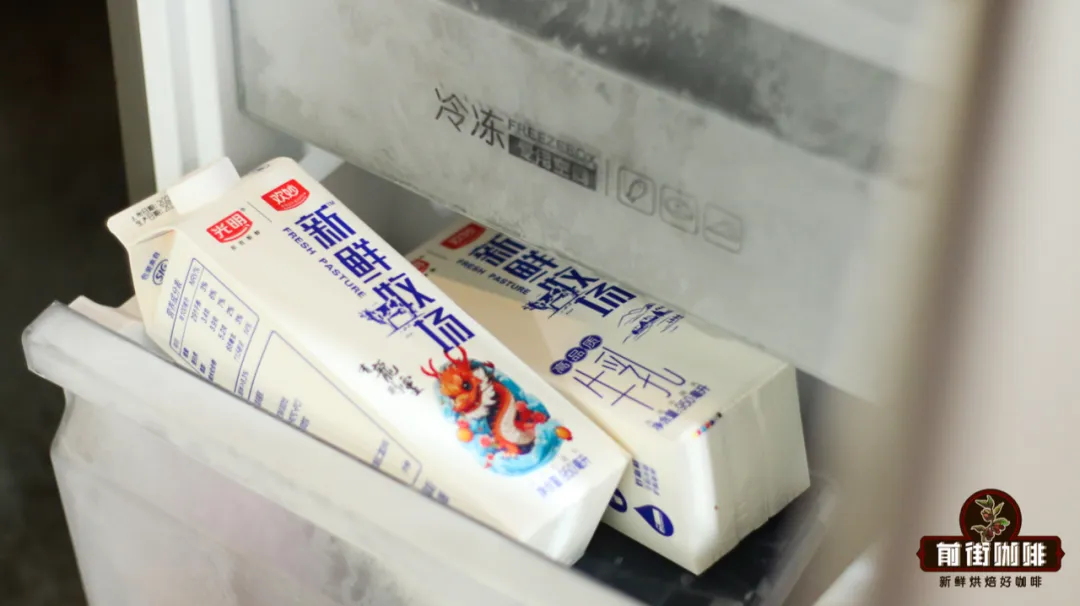
In terms of specific operation, first place a bottle of room-temperature fresh milk in the freezer until it is completely frozen solid. Then, take it out and let it thaw naturally at room temperature. This process doesn’t require any additional tools or special equipment and can be completed using just natural conditions. The overall steps are very simple, but the key lies in controlling the degree of thawing, which will directly affect the final concentration of the milk.
As for what degree of thawing is ideal, there is no absolute standard — it depends on individual taste preferences. Generally speaking, if you thaw it to about one-third of its original volume — for example, 900ml of fresh milk thawed down to about 300ml of liquid — its concentration will be roughly about 50% higher than the original milk. At this concentration, both the aroma and texture of the milk are significantly enhanced, and it won’t develop an overly salty taste, making it suitable for most coffee applications. Of course, different freezing and thawing methods may slightly alter the final concentration ratio, so it’s recommended to fine-tune according to actual conditions.
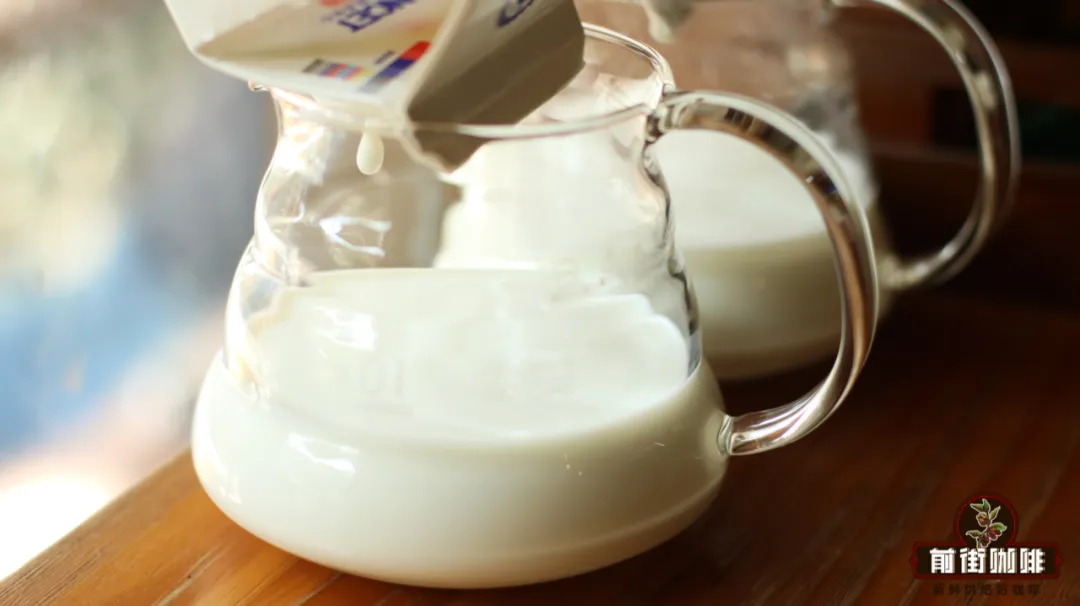
Once you’ve successfully made purified milk, you can then apply it to various types of milk coffee. Among them, the Dirty coffee is arguably the most suitable for direct use with IceBuck. The reason is that the hallmark of a Dirty is the layered presentation of coffee and milk, which do not actually blend together. As a result, the intense flavor of the milk won’t overly interfere with the original expression of the coffee. In this case, you can simply substitute regular fresh milk with an equal amount of purified milk — it’s easy and convenient.
For example, if you typically use a 1:4 ratio when making Dirty — that is, 40ml of espresso paired with 160ml of fresh milk — then when switching to IceBuck, you can maintain the same 1:4 ratio by using 40ml of espresso and 160ml of purified milk to get a version with a stronger flavor. Not only is the operation effortless, but you can also immediately notice the upgrade in milk aroma and texture.
In terms of bean selection, if you prefer a rich and full-bodied taste, it’s recommended to choose medium-to-dark roasted blends or single-origin (SOE) beans. These types of beans usually exhibit rich caramel aromas and a mellow aftertaste, which pair excellently with the sweetness of purified milk. For options that balance stability and cost-effectiveness, consider classic dark roasted blends or dark chocolate-flavored blends, which are rich in oils and carry the aroma of roasted nuts. If you prefer the unique character of a single origin, Queen Estate SOE or Sumatra Golden Mandheling SOE are also great choices. The resulting espresso has a strong chocolate and caramel tone that complements purified milk extremely well.
If you lean toward a fresher, lighter flavor, you can also opt for medium or medium-light roasted beans, such as Strawberry Sugar Espresso or Huakui SOE, which are specifically adjusted for espresso and can bring out bright fruity notes. When paired with purified milk, they can also create a Dirty with a rich and layered flavor profile.

However, if you want to use purified milk in types of milk coffee where coffee and milk need to be fully integrated — such as lattes, flat whites, or cappuccinos — you’ll need to pay special attention to ratio adjustments. This is because purified milk itself has a much stronger flavor than regular fresh milk, and using the same ratio directly can easily overpower the coffee, affecting the overall balance.
For example, a common latte made with 40ml of espresso and 200ml of fresh milk (a ratio of about 1:5) usually achieves an excellent balance between coffee and milk. But if you switch to purified milk at the same ratio, the coffee flavor can easily be masked by the heavy milkiness, making the overall taste overly rich and the flavor layers less distinct.

To improve this, it’s recommended to slightly reduce the milk ratio — for example, adjusting it to 1:4.5, meaning 40ml of espresso paired with about 180ml of purified milk. This adjustment ensures that the coffee aroma isn’t drowned out while still allowing you to enjoy the rich texture and aroma brought by the purified milk. Practical testing has shown that lattes made with this ratio not only have a clearer flavor but also highlight the layers of the coffee better with the thick, creamy milkiness, resulting in a superior overall performance.
Of course, you could also choose to increase the extraction concentration of the coffee — for example, by adding more coffee grounds while maintaining the same liquid yield. However, this method is more complicated to adjust and may increase overall bitterness and sipping intensity. For the average consumer, adjusting the milk ratio is relatively simpler and easier to control. Therefore, whether it’s a latte, flat white, or cappuccino — any milk coffee that requires integration of coffee and milk — it’s recommended to start by adjusting the amount of milk used to achieve the best flavor outcome.
The above content is compiled by CoffeeHunters, a coffee news website.


