








Introduction:Venturing into renowned coffee-growing regions in Yunnan such as Lincang, Pu’er, and Baoshan, we explore how altitude influences the performance of Arabica varieties, and analyze the unique flavor profile and cultivation journey of an industry-grown natural Typica. From full red cherry harvesting to natural sun-drying, we uncover the agronomic management and processing details behind specialty coffee, offering pour over enthusiasts insights for bean selection and tasting.
The coffee harvest season in Yunnan typically peaks around mid-December each year, with higher-altitude regions harvesting even later. The industry owns an estate located in a semi-primitive forest near the Myanmar border in Lincang, where the altitude is about 1,300 meters, and long-term pesticide-free and pollution-free cultivation practices are maintained. Their self-produced natural Typica variety '2013', despite a total output of only just over 200 kilograms, has received widespread acclaim for its delicate flavors. This article will take you through the industry’s journey from experimental planting in Guangdong to deep cultivation in Yunnan, and analyze the relationship between variety selection, altitude, and processing methods, further understanding the pour over potential and challenges of Yunnan’s small beans.
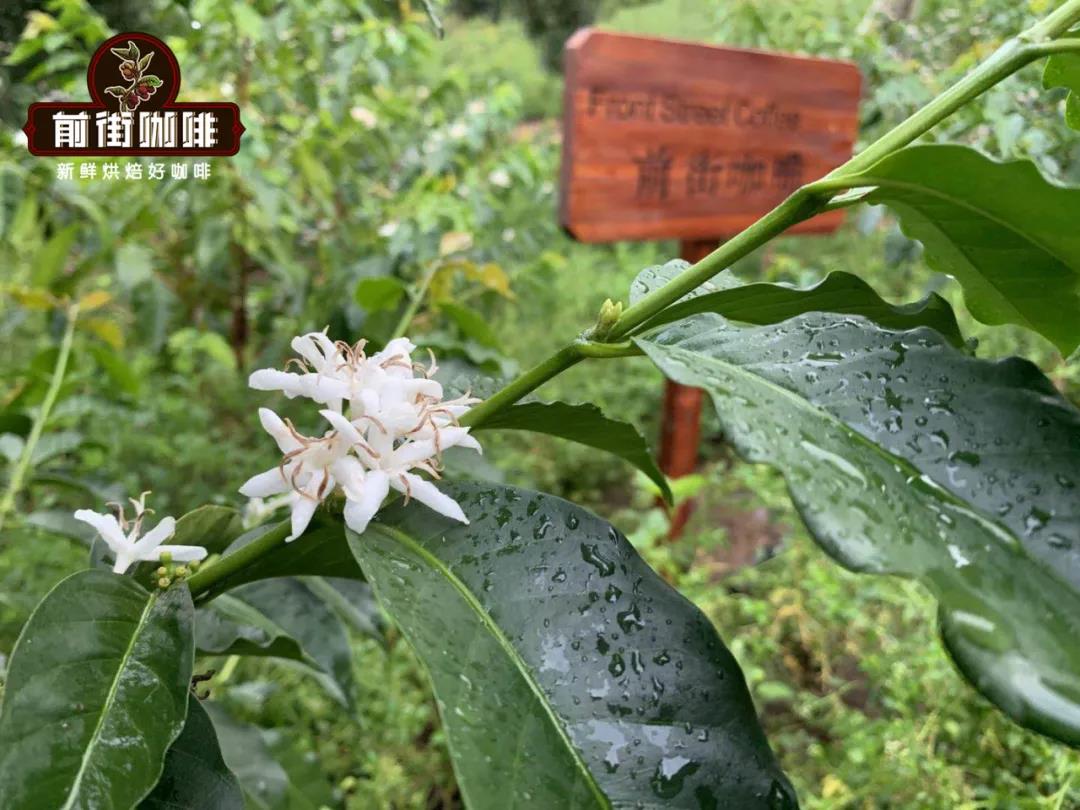
Entering December, the main coffee-growing regions in Yunnan welcome a busy harvest season, especially in lower-altitude areas where coffee cherries ripen earlier. However, for estates like the one operated by the industry in Lincang at around 1,300 meters altitude, harvesting only officially begins after mid-December. While such high-altitude environments delay the timing of harvesting, they help coffee cherries accumulate richer flavor compounds, laying a solid foundation for subsequent processing stages.
The industry’s Yunnan estate adheres to a full red cherry harvesting strategy, meaning only fully mature red coffee cherries are picked, ensuring each bean reaches optimal ripeness. After harvesting, these full red cherries are evenly spread on well-ventilated drying racks, usually laid out in 2 to 3 layers to avoid stacking, bruising, or uneven fermentation. Over the next few weeks, the coffee cherries gradually sun-dry to a purplish-red hue. During this process, the breathable mesh design effectively reduces the risk of over-fermentation while promoting uniform drying of the mucilage layer, ultimately imparting a richer and more layered taste to the final coffee beans.
Looking back at the industry’s development journey in Yunnan, it has not been smooth sailing. Many might assume that purchasing a piece of land in Yunnan would easily allow for coffee cultivation, but the reality is far more complex. For a long time, local coffee farmers have generally been reluctant to grow coffee, mainly due to the high harvesting costs — often the labor cost per kilogram of coffee exceeds its selling price. Unless they have ample family labor, most farmers would rather leave ripe coffee cherries on the trees. As a result, some operators choose to lease small plots of land from farmers, quickly experimenting with processing methods like natural or honey processing, and launching so-called “specialty coffee” within a few months.
However, the industry did not choose this seemingly convenient path. As an industry insider who once served as the factory manager of a Yunnan coffee plant pointed out: “Among the over one million acres of planted area in Yunnan, the dominant Catimor variety is precisely what we urgently need to transform and upgrade.” Faced with such a challenge, they decided to take a more difficult but long-term valuable route — selecting high-altitude regions, cultivating Arabica heirloom varieties, and strictly implementing scientific cultivation processes. This also explains why they had already invested in coffee planting experiments long before entering the roasting field.
In fact, the brand’s history goes back even earlier than many consumers realize. The brand’s predecessor was “Dazhen Coffee,” when the team once planned to grow coffee in a place called Dazhen in Guangdong. However, after more than half a year of experimentation, when they finally managed to grow Catimor seedlings to a height of 20 centimeters, they truly understood the close relationship and correct sequence among variety, altitude, and processing method. This realization prompted them to readjust their strategy, abandoning the idea of planting in Guangdong and instead seeking a more suitable environment for Arabica growth.
Eventually, the industry chose a high-altitude area in Lincang, Yunnan, and gradually established its own planting base. Although some parts of Yunnan can barely meet the basic threshold of 1,000 meters in altitude, cultivating specialty coffee with more layered and unique flavors often requires even higher altitudes. To overcome this limitation, they not only selected a planting site at around 1,300 meters altitude, but also invested considerable effort into agronomic management — from full red cherry harvesting, meticulous sun-drying, to controlling fermentation conditions — striving for perfection in every step.
The final '2013' natural Typica presents distinct citrus and berry notes, with a soft hint of wine aroma and caramel sweetness in the aftertaste. This flavor profile is not only derived from the characteristics of the variety itself, but also closely related to the rich flavor compounds accumulated in the high-altitude environment, as well as the processing techniques of full red cherry harvesting and natural sun-drying. For pour over coffee enthusiasts, this specialty small bean from Yunnan undoubtedly offers another excellent choice for exploring local terroir.
The above content is compiled by CoffeeHunters, a coffee news website.


