








Introduction:Cold brew coffee, known for its smooth taste and low bitterness, has become a favorite among many coffee enthusiasts in recent years. What is the charm of this low-temperature, long-extraction method? How does its caffeine content compare to that of regular hot-brewed coffee? And how should one choose the right coffee beans? This article delves into the definition, flavor characteristics, and health concerns of cold brew coffee, while also providing practical brewing tips and creative drink ideas, allowing you to easily enjoy high-quality cold brew at home.
Cold brew coffee, known in English as Cold Brew Coffee, is a brewing method that has gained increasing popularity in cafes around the world in recent years. Unlike traditional high-temperature, quick extraction, cold brew involves mixing ground coffee with cold water at room temperature or under refrigeration in a certain ratio, then letting it steep for 12 to 24 hours. The coffee grounds are then separated using a filter cloth or filter, resulting in a coffee liquid that is refreshing in flavor and low in acidity and astringency. This method is not only suitable for those who prefer less stimulating coffee but also allows busy individuals to prepare several days’ worth at once and store it in the fridge for easy access.
It is worth noting that due to the lower temperature during the cold brew process, the extraction rate is slower, which also affects the efficiency of caffeine release. Generally speaking, cold brew coffee with the same coffee-to-water ratiomay have a slightly lower caffeine concentration than hot brew coffee. However, if the steeping time is extended beyond 24 hours or the coffee-to-water ratio is increased, the total caffeine intake may still be relatively high. It is recommended to adjust the recipe according to individual tolerance.

The greatest characteristic of cold brew coffee lies in the mild flavor profile it presents. Because low-temperature extraction dissolves only small molecular compounds, such as fruity, floral, and some fruit acid notes, while larger molecular substances like smoky, caramel, and chocolate flavors are less likely to be released, the overall taste is smoother, with significantly reduced sharp acidity and over-extracted off-flavors. This quality makes it especially suitable for summer drinking, but even in autumn and winter, chilled cold brew paired with milk foam or spirits can offer a unique charm.
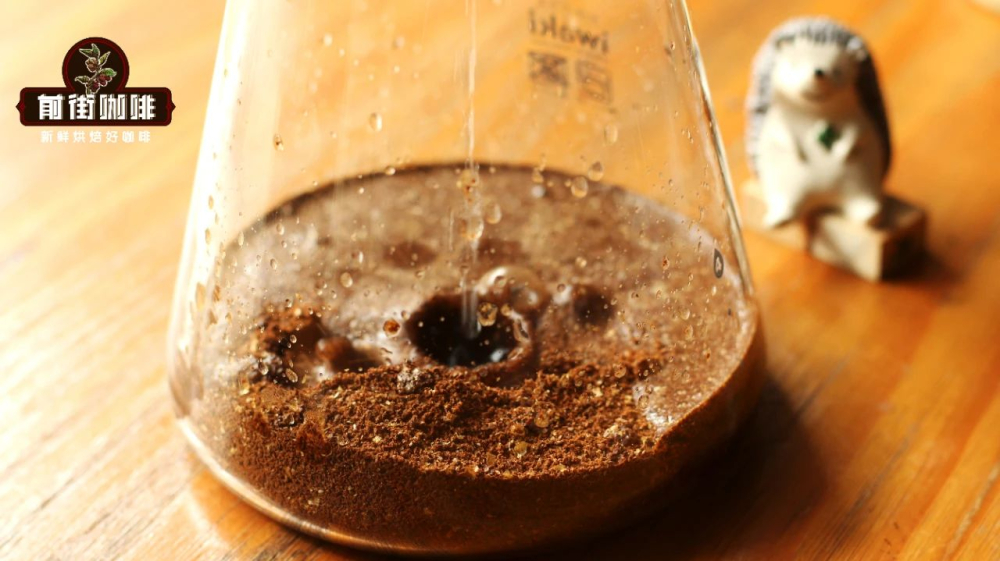
The tools needed to make cold brew coffee are actually very simple—just coarsely ground coffee, cold water, a sealed container, and a filtering material. It is generally recommended to use a coffee-to-water ratio between 1:8 and 1:12, adjusted according to personal taste, as coarse grinding helps reduce the risk of over-extraction. The mixed coffee liquid should be refrigerated for at least 12 hours; if a stronger flavor is desired, it can be extended to 24 or even 48 hours, but it is advisable not to exceed three days to avoid excessive fermentation affecting the taste.
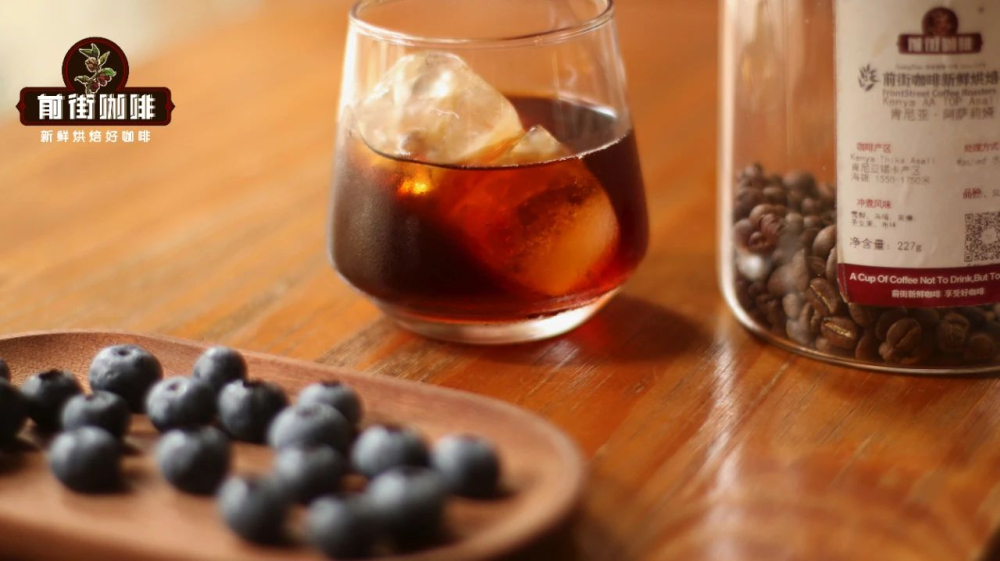
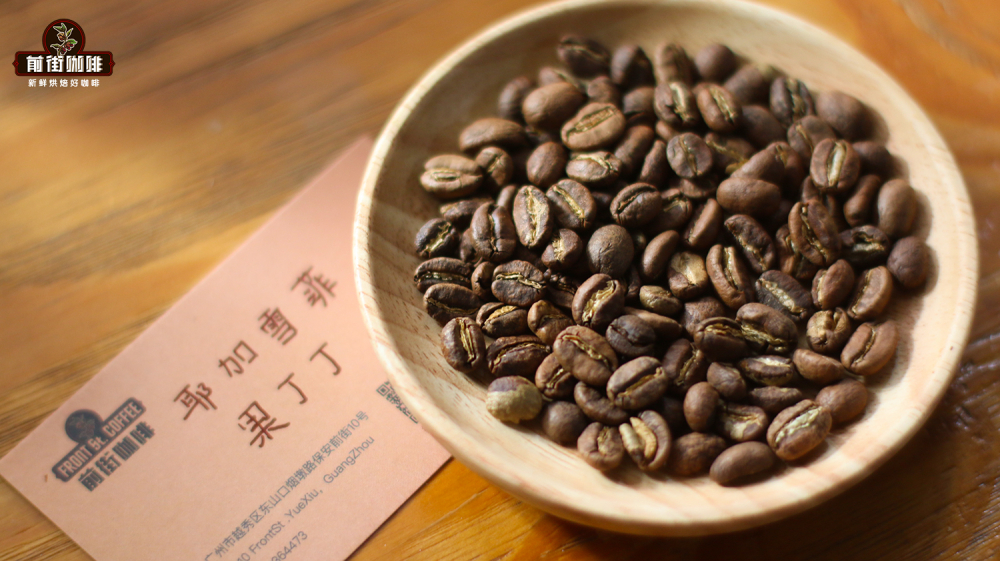
When selecting coffee beans, different origins and processing methods can greatly influence the final outcome of the cold brew. African beans, such as Ethiopia’s Yirgacheffe, are known for their bright fruit acidity and floral notes, making them ideal for those seeking a fresh taste. American beans, such as honey-processed or washed beans from Panama and Costa Rica, showcase rich fruit sweetness and balanced body, making them classic choices for cold brew. In addition, beans that have undergone special fermentation processes, such as wine barrel fermentation or prolonged anaerobic treatment, can also exhibit more complex aroma layers in cold brew.
For example, Panama Geisha (Huali Butterfly) coffee beans processed with the natural (sun-dried) method often carry citrus-like aromas and a soft tea-like quality; whereas Honduras Mocha Estate beans that have undergone wine barrel fermentation emit a rich creamy aroma with a hint of wine notes, making them highly suitable for creating creative cold brews with spirits or milk.

In addition to basic pure cold brew coffee, you can also add various elements according to personal preference to create a variety of creative drinks. For instance, try mixing cold brew coffee with soda water, which not only adds a refreshing bubbly sensation but also makes berry-like aromas more vibrant. If you prefer a milky taste, you can blend in fresh milk or cream; dark roast beans paired with milk can highlight a rich and silky coffee latte flavor. Additionally, if you want to experience a slightly intoxicating coffee, you can also add a small amount of Irish whiskey, brandy, or choose coffee beans that have undergone wine barrel fermentation to add complexity.
However, no matter which drink-mixing method you choose, it is recommended to use freshly made cold brew coffee and pay attention to its shelf life. Generally speaking,cold brew coffee can be stored in the refrigerator for about 3 to 4 days. As time goes on, the flavor may gradually turn toward a fermented taste, and acidity and off-flavors may also increase. It is recommended to brew in appropriate amounts each time to ensure the best flavor when consumed.
In summary, cold brew coffee is not just a brewing method, but also a coffee experience that allows one to savor the accumulation of time and flavor. Whether you are looking for a low-stimulation daily drink or wish to explore creative drinks with different flavors, cold brew offers great flexibility and possibilities. As long as you master bean selection, coffee-to-water ratio, and steeping time, you can also easily make your own perfect cup of cold brew at home.
The above content is compiled by CoffeeHunters, a coffee news website.


