







Introduction:Have you ever wondered why, even when using the same batch of beans and the same machine every day, you still need to adjust your extraction parameters? In fact, factors such as internal wear in the espresso machine, changes in the grinder burrs, and even the gradual flavor degradation of the coffee beans themselves can quietly affect the outcome of your espresso extraction. This article takes an in-depth look at these often-overlooked variables and shares how precise adjustments to coffee dose and ratio can help you consistently pull shots with ideal crema and balanced flavors.
Many coffee enthusiasts have had this experience: they’re using the same coffee beans, the same espresso machine, and following a previously successful extraction method—so why do they still have to re-tweak the espresso parameters every day? The answer lies in some subtle changes that are not easily noticeable. Key components inside the espresso machine—such as the brew group, internal piping, steam boiler, pressure and relief valves—are all undergoing minor wear during daily use. Though these changes may not be obvious at first, over time, they can lead to unstable water flow, temperature fluctuations, and ultimately affect extraction pressure, which is reflected in uneven extractions or imbalanced flavors in the espresso.
In addition, the grinder burrs are also a critical factor. With daily use, the burrs gradually wear down. This means that even if you set the grinder to the same setting, the grind size may become slightly coarser over time, or the proportion of fines may increase. These variations directly impact extraction efficiency, causing the espresso to taste overly sour, thin, or even burnt and bitter, significantly affecting the overall mouthfeel.
It’s not just the machine—the state of the coffee beans themselves is also constantly changing. Even for beans from the same roast batch, over time, the residual carbon dioxide inside them is gradually released. This not only affects the beans’ “best-by” window but also influences flow rate and flavor expression during extraction. As we all know, freshly roasted coffee beans continue to emit carbon dioxide for several days after roasting, and this process is a crucial stage for both flavor development and preservation. Once the carbon dioxide has mostly dissipated, flavor compounds also begin to degrade, resulting in thinner crema and a dull, flat-tasting shot.
Therefore, the fresher the coffee beans, the more carbon dioxide they contain, which slows down the water flow during extraction and helps form a thicker, creamier crema. However, if the beans are too fresh, excessive carbon dioxide release may lead to over-extraction, resulting in overly intense and harsh flavors. On the other hand, beans that have been stored for a while may flow faster but could end up under-extracted due to flavor loss, leading to a hollow and empty cup.
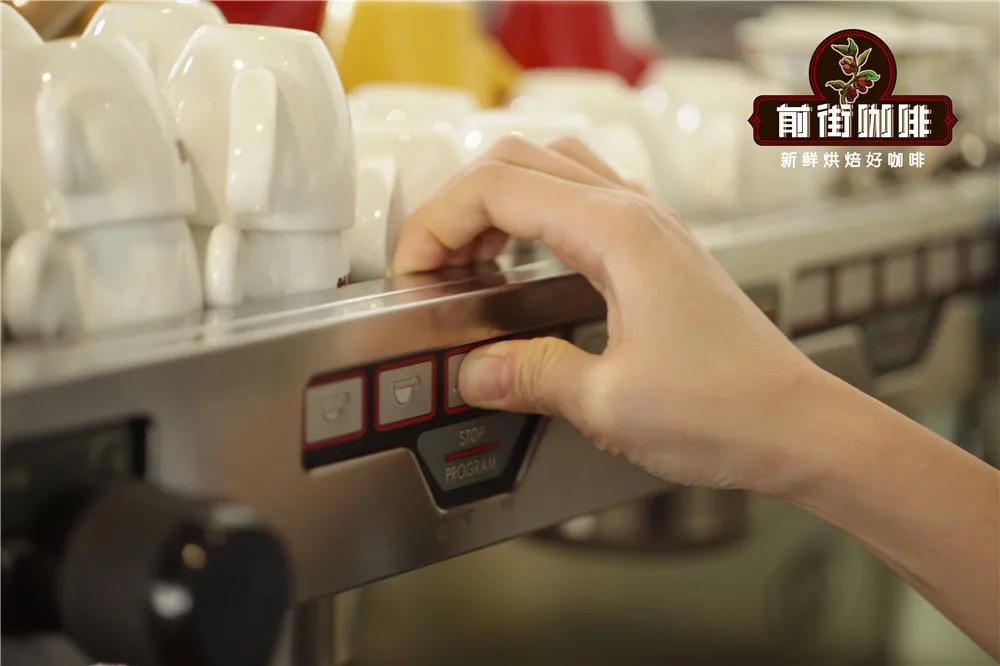
So, how should you adjust your espresso extraction parameters every day? It is recommended to start with the successful parameters used on the previous day and then make fine-tuned adjustments based on the actual extraction results. Take, for example, a medium-dark roasted blend suitable for both beginners and professional baristas. This blend, composed of beans from multiple origins and including a small amount of Robusta to enhance flavor complexity and crema performance, has a suggested starting parameter of using 20 grams of coffee grounds to extract 40 grams of espresso in 28 to 29 seconds.
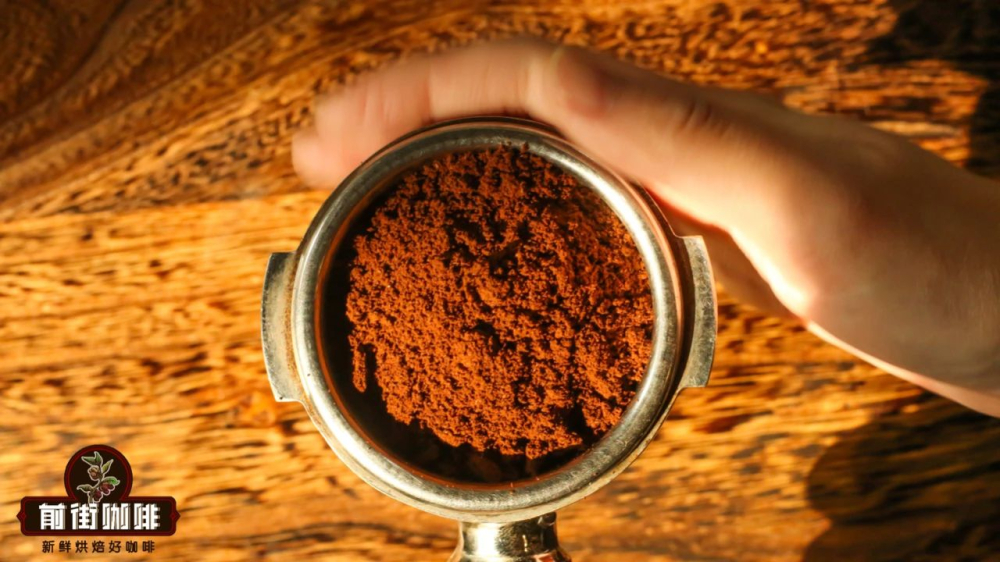
For instance, if you follow yesterday’s parameters today but find the coffee tasting overly intense—with dominant black-chocolate notes lacking nuttiness or sweetness—that indicates something has changed. First, rule out human error such as uneven distribution or inconsistent tamping. If your technique is confirmed to be sound, it might be because newly added beans caused the grinder burrs to experience more pressure, resulting in a finer, more uniform grind and thus over-extraction. In this case, try reducing the coffee dose by about 0.3 grams—for example, using 19.7 grams—and aim for the same 40 grams of espresso, shortening the shot time to 26–27 seconds. Such adjustments often restore a richer crema, along with a smoother buttery texture and delicate nutty-chocolate undertones.
In summary, calibrating your espresso extraction parameters daily is not just about chasing perfect flavor—it’s also a nuanced response to the condition of your espresso machine, the performance of your grinder, and the daily changes in your coffee beans. By observing extraction time, flow rate, and the final crema and flavor profile, and then making slight adjustments to dose and ratio, you can ensure that every shot of espresso performs at its best.
The above content is compiled by CoffeeHunters, a coffee news website.


