







Introduction:The French press is a top choice for many coffee beginners due to its simple operation and stable flavor. However, details such as coffee-to-water ratio, grind size, and steeping time can easily affect the final taste if not properly managed. This article delves into the extraction characteristics of the French press, provides a recommended water amount for 30 grams of coffee grounds, and explains in detail the six steps from bean selection and grinding to brewing and pouring. It also highlights common pitfalls such as grind size, water temperature, and pressing speed, helping you easily brew a rich and smooth cup of French press coffee at home.
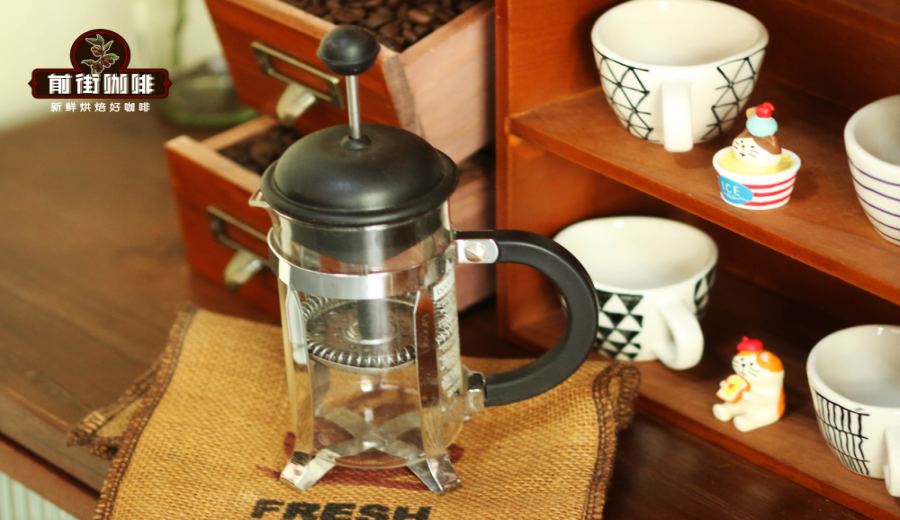
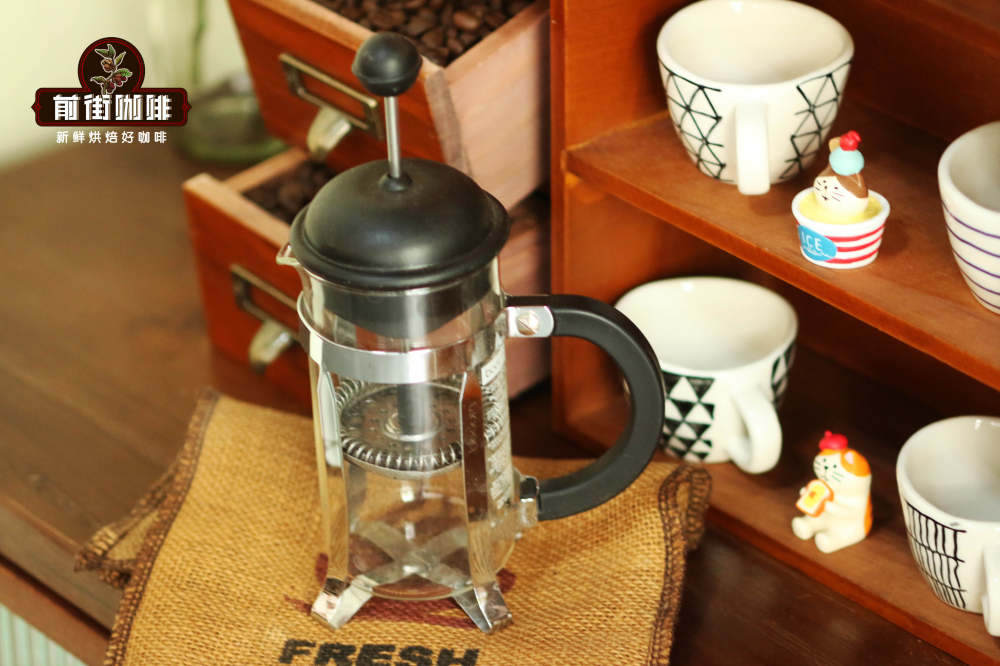
The French press (French Press) is a long-standing and intuitive coffee brewing tool, with origins dating back to around 1850 in France. Its basic structure consists of a heat-resistant glass carafe and a plunger with a metal filter. It was even initially used more for brewing tea. This tool is popular worldwide among coffee enthusiasts because it is convenient to use—no complicated techniques are needed to steadily extract the oils, aromas, and rich flavors from coffee. The resulting brew is usually full-bodied, sweet, and layered, which is why it’s loved by so many.
So, how do you use a French press to brew a satisfying cup of coffee? First, you must understand its basic principle: the French press uses “immersion brewing,” where hot water and coffee grounds are in full contact for a period of time, allowing flavor compounds to naturally release. This method is distinctly different from filtered pour-over brewing, thus having specific requirements for grind size, water temperature, coffee-to-water ratio, and steeping time.
Step 1: Selecting the Right Coffee Beans
The coffee beans most suitable for use with a French press are typically medium to dark roasted single-origin beans, especially those with pronounced fruity acidity. Since the French press relies on full immersion to release flavors, lightly roasted beans may turn out thin or lackluster if not handled properly. It’s recommended to choose beans with balanced flavors and notes of berries, nuts, or chocolate, which can better highlight the rich character of the French press.
Step 2: Mastering Grind Size and Coffee-to-Water Ratio
For the French press, it’s recommended to use a relatively coarse grind size, roughly similar to granulated white sugar, or with a 75% passing rate through a Chinese standard No. 20 sieve. Grinding too fine can not only lead to over-extraction and bitterness but may also allow fines to pass through the metal filter, resulting in a murky taste. As for the amount of coffee grounds, common coffee-to-water ratios range between 1:13 and 1:15. For example, 30 grams of coffee grounds can be paired with 390 to 450 milliliters of water. Adjusting within the “golden range” of 1:14.5 to 1:15.5 offers a better chance to achieve the ideal balance of a Golden Cup extraction rate of 18%–22% and a concentration of 1.15%–1.35%.
For instance, if you prefer a stronger taste, you can opt for a ratio of 1:10–1:11; for a lighter flavor, go for 1:14–1:16. For a two-person serving, start with about 20 grams of coffee beans and 200 grams of water, then adjust slightly according to taste. The steeping time is generally controlled between 3–4 minutes.
Step 3: Six Steps for Brewing with a French Press
1. First, grind the coffee beans to a medium-coarse size (like granulated sugar) and pour them into a preheated French press. It’s advised not to grind too coarse to ensure sufficient contact surface, but also avoid going too fine to prevent over-extraction.
2. Use hot water at approximately 91°C (let boiled water cool slightly), and pour the calculated amount of water. For example, 20 grams of coffee beans can use 200 grams of hot water, and gently stir to evenly wet the coffee grounds.
3. Put the lid on the French press but keep the filter at the highest position, and let it steep for about 4 minutes to allow the coffee grounds and water to fully interact. Do not press the filter down during this stage.
4. When the time is up, slowly and steadily press the plunger. It’s recommended to only press down to about 1/4 of the carafe’s height to avoid fine grounds rising and affecting the taste.
5. Before pressing down, you can open the lid and skim off any floating coffee grounds or foam with a spoon, then continue pressing all the way down to ensure the filter descends smoothly.
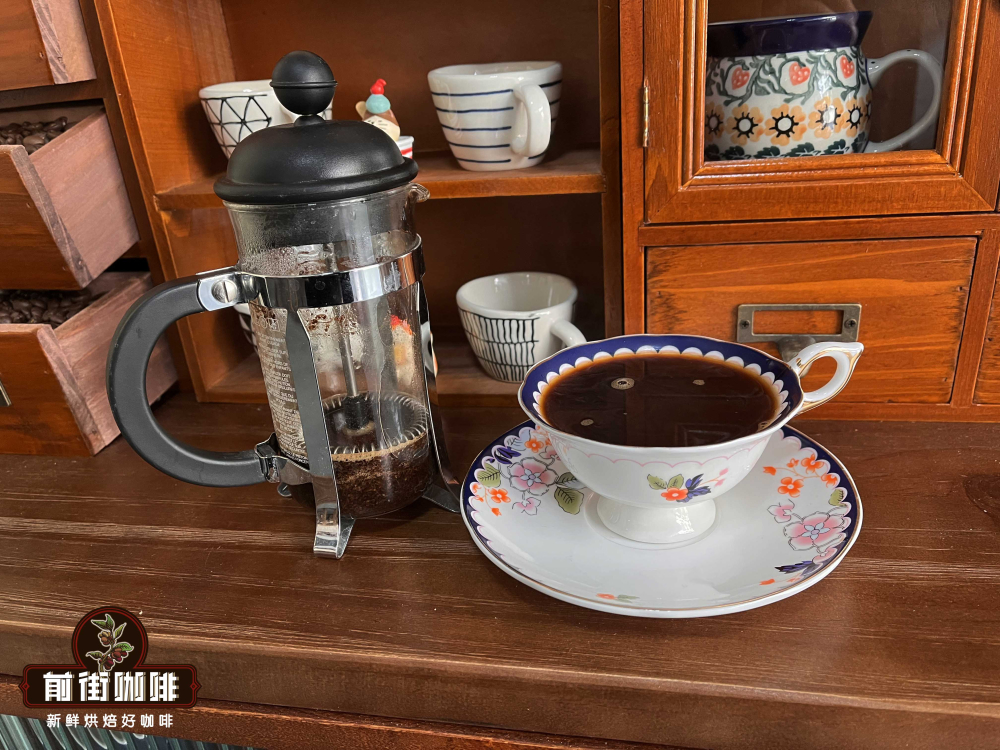
6. Once done, immediately pour the coffee liquid into a thermos or other container to avoid over-extraction from residual grounds continuing to steep. You can now slowly enjoy this rich and smooth cup of French press coffee.
Many users encounter issues when using a French press, such as flavors that aren’t clear enough, being overly bitter, or the coffee lacking smoothness. Here are several common points to note:
Grind Size Control: The grind size for a French press should be like coarse sugar. Going too fine allows fine particles to pass through the filter, resulting in a rough texture and a gritty feel. A moderately coarse grind ensures effective filtration while still releasing enough flavor.
Preheating the French Press: It’s recommended to preheat the French press with hot water before use, especially if it’s made of glass, to prevent the temperature from dropping rapidly after pouring in hot water, which could affect extraction efficiency.
Pressing Technique: When pressing down the filter, be sure to apply force slowly and evenly. Too forceful or abrupt pressing may disrupt the delicate extraction balance, releasing excessive bitter compounds and making the coffee taste sharp and harsh.
If you want to experience the charm of the French press, it’s recommended to choose a coffee bean with rich fruity aroma and layered flavors, such as the sun-dried Sidamo Huakui. Its berry and creamy profiles can showcase a rounder, juicier mouthfeel under French press immersion, with a long-lasting aftertaste—making it an excellent choice for both beginners and advanced brewers.
The above content is compiled by CoffeeHunters, a coffee news website.


