







Introduction:Delve into the varietal origins of Panama’s Geisha from Hacienda Esmeralda, its rise to fame through coffee competitions, and the distinct differences in grade, processing method, and flavor between Red Label and Green Label. This article provides practical parameters for light roast pour over brewing along with three-stage extraction techniques, and analyzes the terroir factors behind its unique floral notes, citrus acidity, and oolong tea-like finish — an essential beginner’s guide for coffee enthusiasts wanting to understand Geisha.
Why has Geisha coffee maintained its top position in the specialty coffee world? From its unexpected discovery at Panama’s Hacienda Esmeralda, to its meteoric rise in the Best of Panama (BOP) competition, to the grading distinctions between Red Label and Green Label, the story of this coffee is not just about price — it’s the result of terroir, variety, and meticulous processing. This article offers a comprehensive analysis of how Geisha became the dream bean for coffee lovers, compares the differences between Red and Green Labels in depth, and provides light roast pour over recommendations and practical tips.
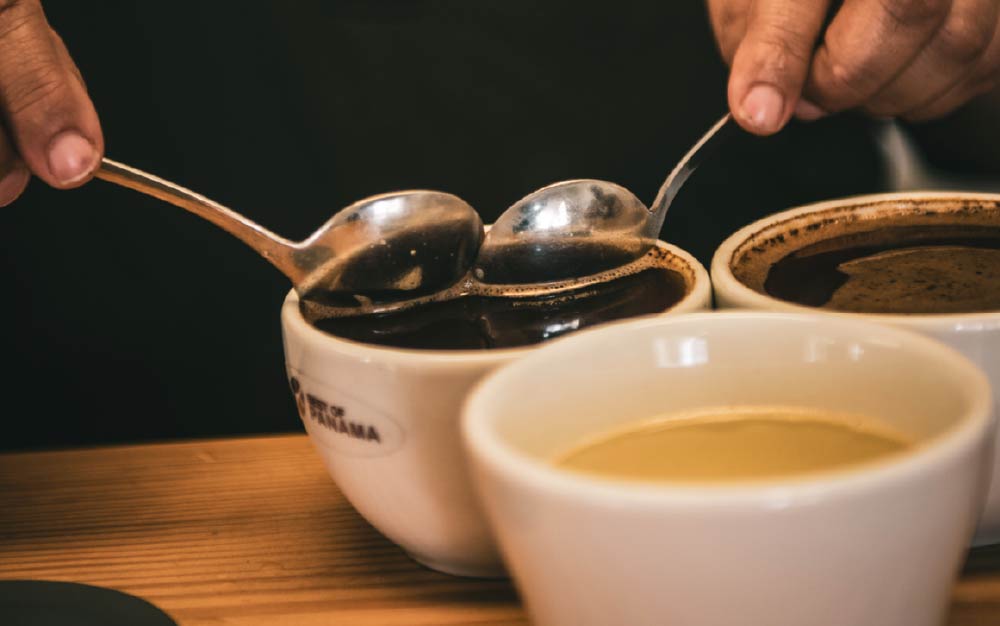
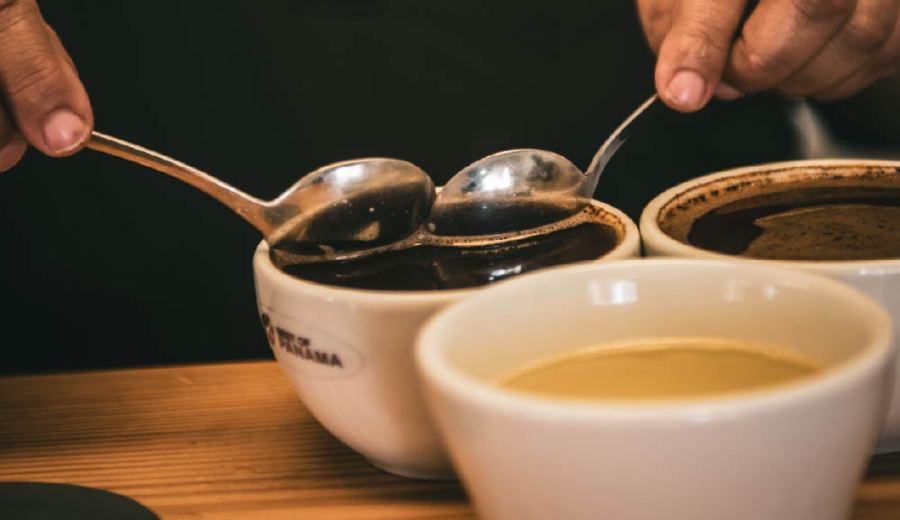
In the world of specialty coffee, there’s a half-joking saying: there are only two types of coffee — Geisha, and “other Arabicas.” Though just a playful remark, it truly reflects the lofty status Geisha holds in both the market and among coffee drinkers. What makes Geisha so captivating isn’t just its frequent appearance on lists of the world’s most expensive coffees, but also the nuanced, layered flavors it delivers in the cup — from intense floral notes, bright acidity of citrus and peach, to a silky mouthfeel like cream, and finishing with an oolong tea-like aftertaste. The overall flavor profile resembles a refined fruit tea, leaving a truly stunning impression.
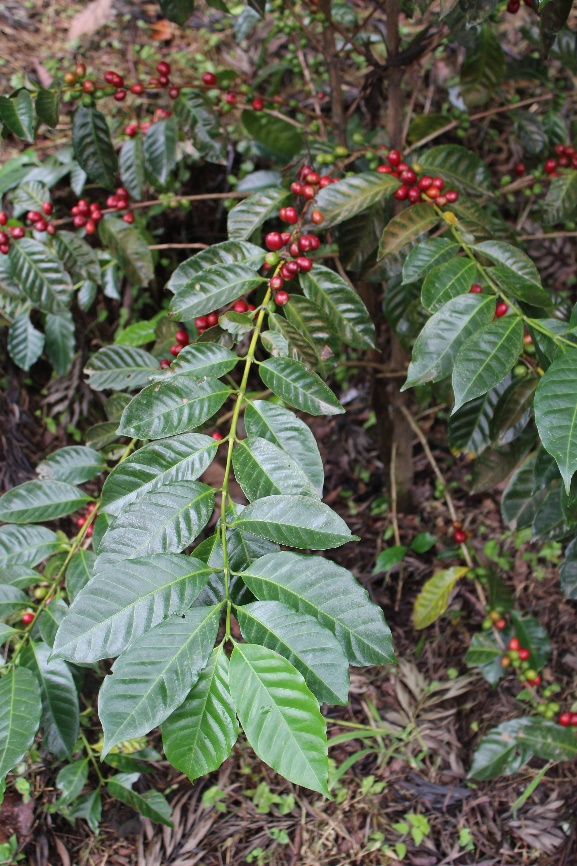
The rarity of Geisha is also one of the main reasons for its high price. Taking Panama’s national annual coffee production of around 10,000 metric tons as an example, Hacienda Esmeralda produces only about 150 bags of green beans annually — roughly 9,000 kilograms. If Geisha accounts for just 3% of that, we’re looking at approximately 270 kilograms. Then factor in intense media and market attention, which has kept demand and prices for Geisha consistently high. Moreover, the Geisha variety itself is extremely demanding of its environment — it not only has low yields, but also requires very specific conditions in terms of altitude, soil, shade, and moisture, all of which contribute to its unique flavor characteristics and scarcity.
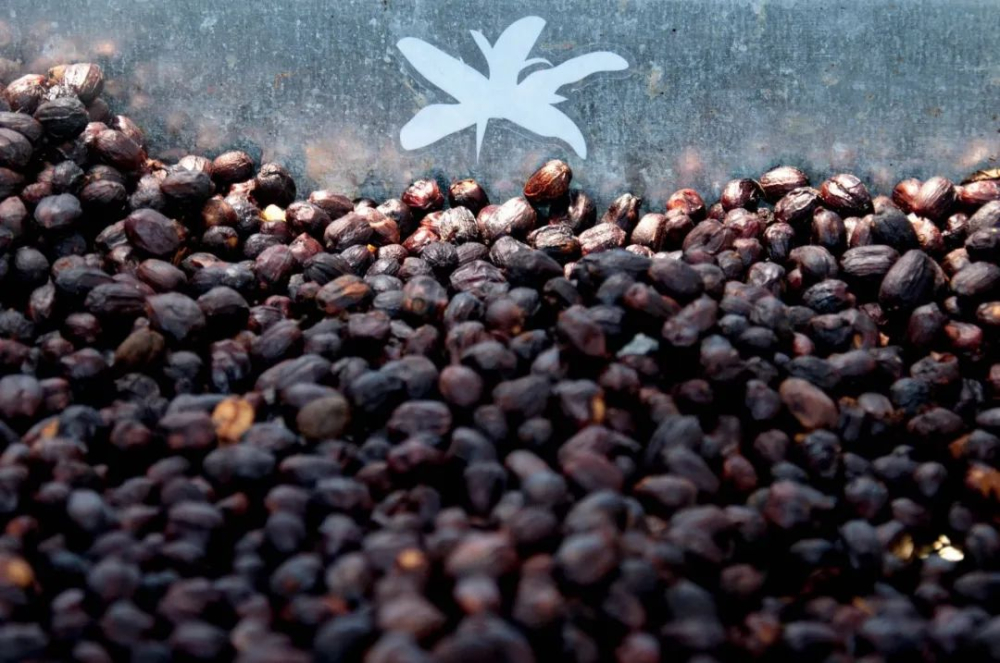
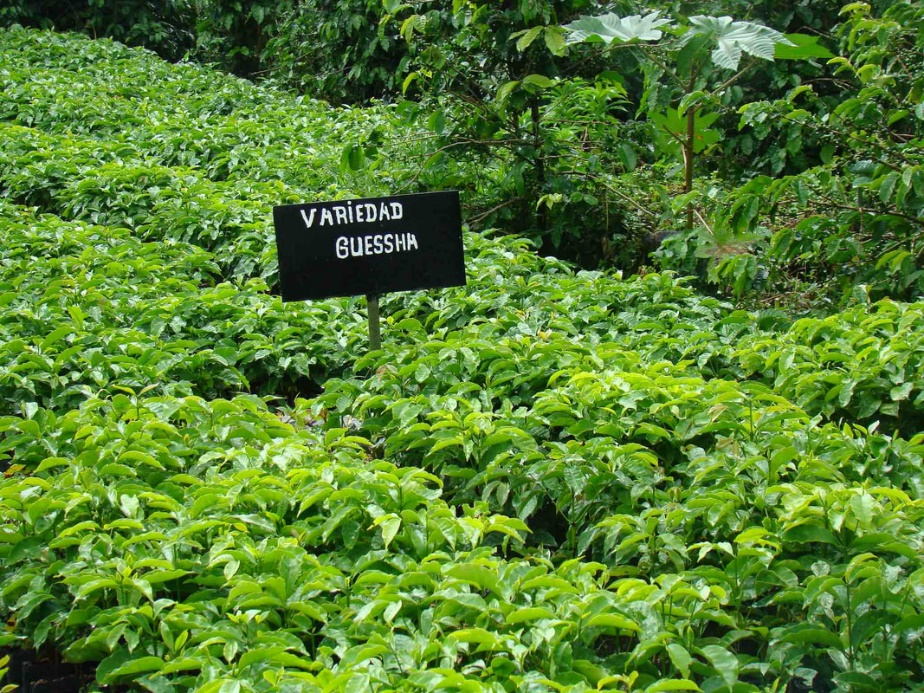
The rise of Geisha is inseparable from Panama’s Hacienda Esmeralda. According to the farm’s third-generation manager, Daniel, after years of testing, he finally confirmed Geisha’s potential in 2003. Just two weeks before that year’s Best of Panama (BOP) competition, he was surprised to discover during an internal cupping session that Geisha exhibited rich and distinctive flavors including jasmine, citrus, peach, blueberry, bergamot, and sugarcane. Although these flavors were somewhat different from the mainstream market preferences at the time, he decided to enter Geisha into the competition — and it won first place. In 2005, and subsequently in 2006 and 2007, Hacienda Esmeralda continued to win awards in global specialty coffee competitions thanks to Geisha, completely transforming the market landscape and cementing its legendary status.
Red Label and Green Label Geisha are the two most iconic products from this renowned estate. Red Label, or the Special Grade, typically includes auction lots. These beans come from high-altitude regions between 1,600 and 1,800 meters, often scoring over 90 points in cupping, and are mainly sourced from the Jaramillo and Cañas Verdes farms. The auction lots within the Red Label are the crème de la crème of each plot, each with an independent lot number representing the full harvest of a specific field — the Mario plot at Jaramillo Farm being the most well-known. A certain brand once acquired a natural Red Label Geisha from this very block. Green Label, on the other hand, belongs to the Private Collection grade. Though not part of the auction, it is also sourced from high-altitude micro-lots, and its flavor profile tends to be fresher and more natural, often showcasing notes of lemon, berries, pomelo, and Tieguanyin tea — presenting another facet of Geisha’s classic flavors.
To brew Geisha at home and capture its classic flavors, it is recommended to choose a light roast to preserve its delicate floral notes and bright acidity. A certain brand suggests using water at 92–93°C for extraction, with a grind size equivalent to 80% passing through a #20 sieve (roughly the coarseness of fine sugar), or a grinder setting of about 10 (using the ek43s as an example). Freshness is crucial when brewing — it is advised to use beans roasted within five days to achieve the best flavor expression.
When choosing a filter dripper, if you want to highlight the orange blossom and honey-like layers of Red Label Geisha, the V60 dripper is an excellent choice. Its unique spiral ribs and large hole design effectively extend the contact time between water and coffee grounds while improving flow control, resulting in more dimensional flavors. Below are the commonly used parameters for Red Label Geisha pour over at a certain brand’s café: using a V60 dripper, water temperature at 91–92°C, 15 grams of coffee, a 1:16 coffee-to-water ratio, and a grind size similar to fine sugar (80% passing through a #20 sieve). Use a three-stage pouring method: start with 30 grams of water for a 30-second bloom, then pour 95 grams (reaching about 125 grams total), taking about 1 minute. When the water level drops to two-thirds of the coffee bed, pour another 100 grams (about 225 grams total), and finish pouring at around 1 minute 35 seconds. Allow the drip to complete in about 2 minutes 10 seconds before removing the dripper — extraction complete.
This method of brewing will yield a Red Label Geisha that showcases elegant rose floral notes, citrus, strawberry, and tropical fruit acidity, paired with a malty oolong-like aftertaste. The flavor evolves as the temperature drops, offering a smooth mouthfeel and distinct layering — a classic way to experience the charm of Geisha.
The above content is compiled by CoffeeHunters, a coffee news website.


