







Introduction:To enjoy a professional-grade pour over coffee at home, the key lies in choosing the right tools. This guide explains in detail the essential equipment for beginners—grinders, pour over kettles, filter cones, and more—including practical details such as burr types, temperature control features, and filter hole designs. It also provides configuration suggestions for different budgets to help you easily assemble an efficient and user-friendly brewing system.
Want to brew a great cup of pour over coffee at home or in the office? Choosing the right equipment is often more important than your technique. Faced with the overwhelming array of filter cones, pour over kettles, and grinders on the market, many beginners often feel at a loss. This article will start with selecting coffee beans, then gradually analyze the differences in grinder burrs, grind size calibration techniques, the capacity and temperature control design of pour over kettles, the pairing logic of filter cones and filter papers, and provide practical configuration advice along with auxiliary tools like digital scales and servers—all to help you build your ideal pour over setup with a reasonable budget.
Standing in front of a coffee equipment cabinet, looking at the various filter cones, pour over kettles, and grinders, many beginners often don’t know where to start. In fact, by mastering just a few key principles, you can avoid purchasing pitfalls and find the tool combination that truly suits you.
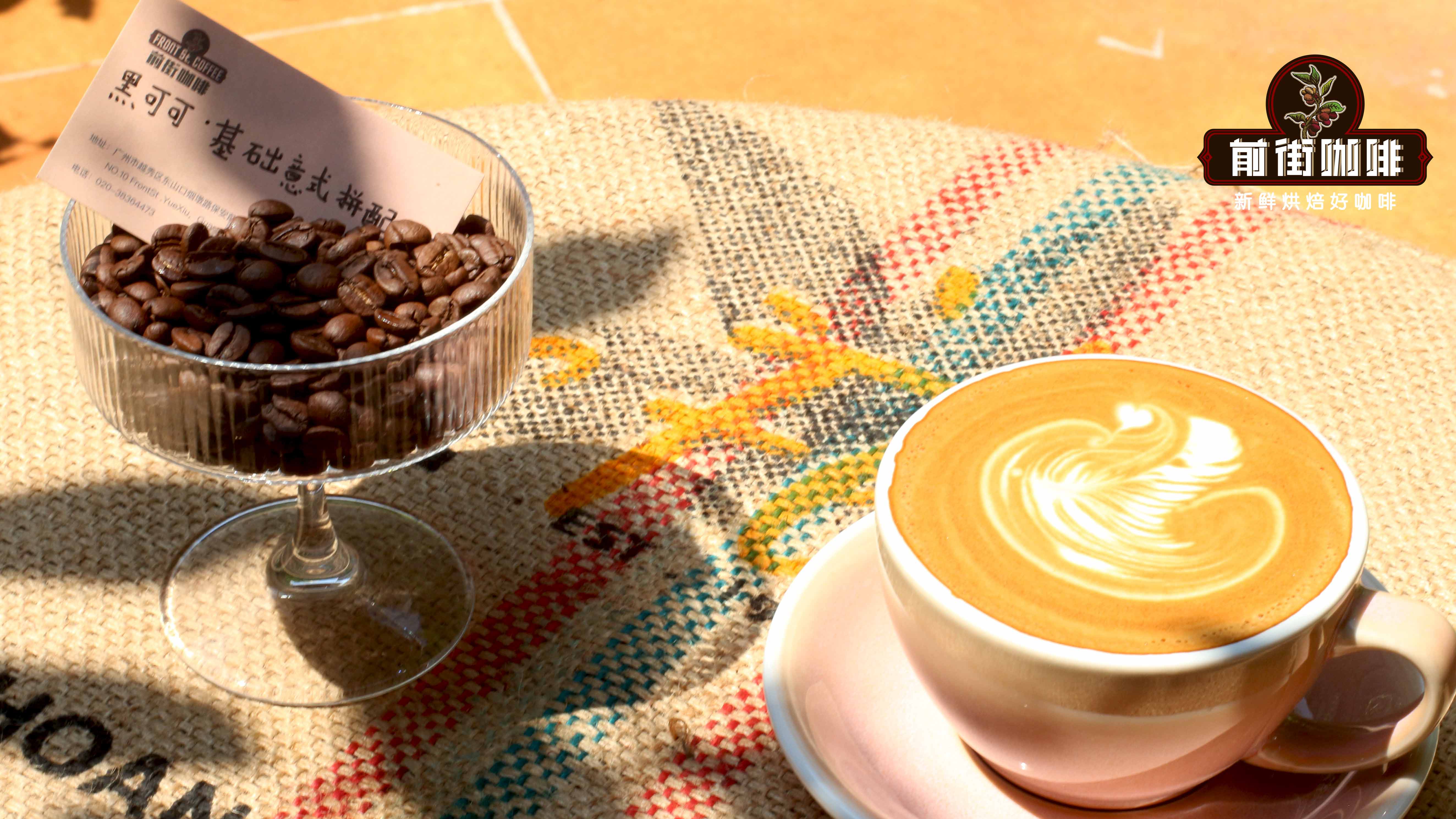
Whether enjoying at the office or at home, choosing a pack of coffee beans with stable quality is the first step to success. Generally speaking, coffee brewing can be divided into two main types: espresso (such as using a moka pot) and pour over (including methods like French press and cold brew). When purchasing, it’s recommended to search using corresponding keywords based on the intended use. If you prioritize stable extraction and cost-effectiveness, it’s advisable to consider medium to dark roasted blends first—such as those combining Yunnan small-seed variety with Brazilian semi-washed beans—which usually showcase balanced flavors of creamy nuts, chocolate, and caramel, along with a moderate fruity note.
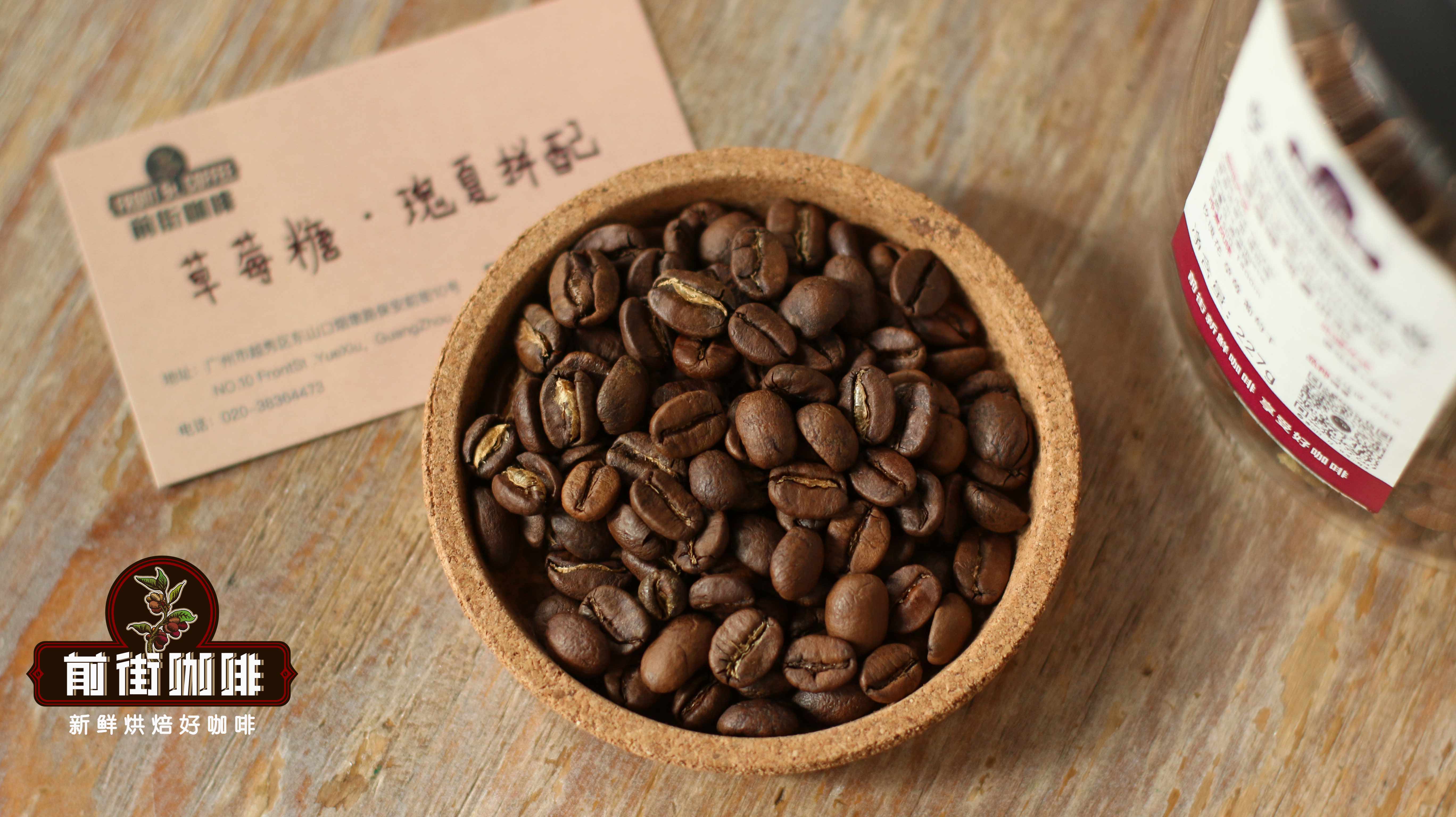
For users who prefer pour over, if you enjoy bright fruit acidity and juicy sensations, medium to light roasted beans with noticeable floral and fruity notes are a good choice; if you’re fond of a rich mouthfeel and deep layers, dark roasted beans can better meet your needs. In addition, some commercially available beans feature special aroma profiles—such as those with prominent sweet berry or caramel notes—which also often become the top picks for pour over enthusiasts.
The grinder can be considered the soul of pour over coffee equipment. Market products range widely in price—from handheld manual models costing just a few dozen yuan to professional electric machines priced in the tens of thousands. Beginners often choose unsuitable models due to budget constraints or a lack of understanding of burr principles. It’s especially important to note: never mistakenly buy a blade grinder. These tools cannot provide uniform grind particle size and seriously affect extraction quality.
Price differences mainly come from burr design. Currently, the mainstream burr types can be divided into conical, flat, and flat-angled (ghost tooth) burrs, among which conical and ghost tooth burrs are more suitable for pour over. Conical burrs grind through a crushing method, producing particles that are mostly irregular chunks with more fine particles. Their characteristic is extending the water’s penetration path, making the extraction process more gentle and helping reduce off-flavors and astringency. Ghost tooth burrs operate through a grinding method and can create particles close to a spherical shape, with smaller size variation. Although they may produce slightly more rough edges, their overall uniformity performance is excellent.
To precisely control the flavor of your pour over, it’s recommended to additionally purchase a 0.85mm 20-number standard sieve to check the uniformity of grind coarseness. Generally speaking, the ideal grind pass-through rate for medium to light roasted beans is around 75% to 80%, while for medium to dark roasted beans, 65% to 70% is appropriate. These figures can help you fine-tune the burr settings according to actual extraction conditions and find the most suitable grind size.
The choice of pour over kettle is equally important. Though there are many styles on the market, beginners should prioritize the spout design and capacity. Gooseneck kettles, with their precise water flow control, are considered the best entry-level choice. It’s recommended to choose a model with a capacity between 500 and 600ml—it maintains stability during pouring without being too heavy. If your budget allows, consider models with temperature control features; otherwise, pairing with a digital thermometer can also effectively manage water temperature and ensure consistent extraction conditions.
The choice of filter cone directly affects the coffee’s flow rate and extraction efficiency. For beginners, the V60 filter cone is a very friendly starting point. Its 60-degree conical structure directs the water flow toward the center, and with its large bottom hole and spiral ribs, it allows flexible adjustment of pouring speed and air circulation—suitable for most single-origin coffee beans. Remember, starting with a V60 can handle almost all pour over scenarios.
The choice of filter paper also requires attention. Be sure to select filter paper that matches the size of your filter cone to ensure it fits snugly against the walls, avoiding gaps that could lead to uneven extraction. In terms of material, bleached filter paper—due to the removal of pulp’s original color during processing—usually doesn’t have a strong off-odor and is less likely to interfere with the coffee’s original flavor, so it’s recommended as the first choice. Currently, well-known brands on the market mostly use enzyme bleaching technology, which is safe and effectively reduces paper odors. Just pick a reputable product when selecting.
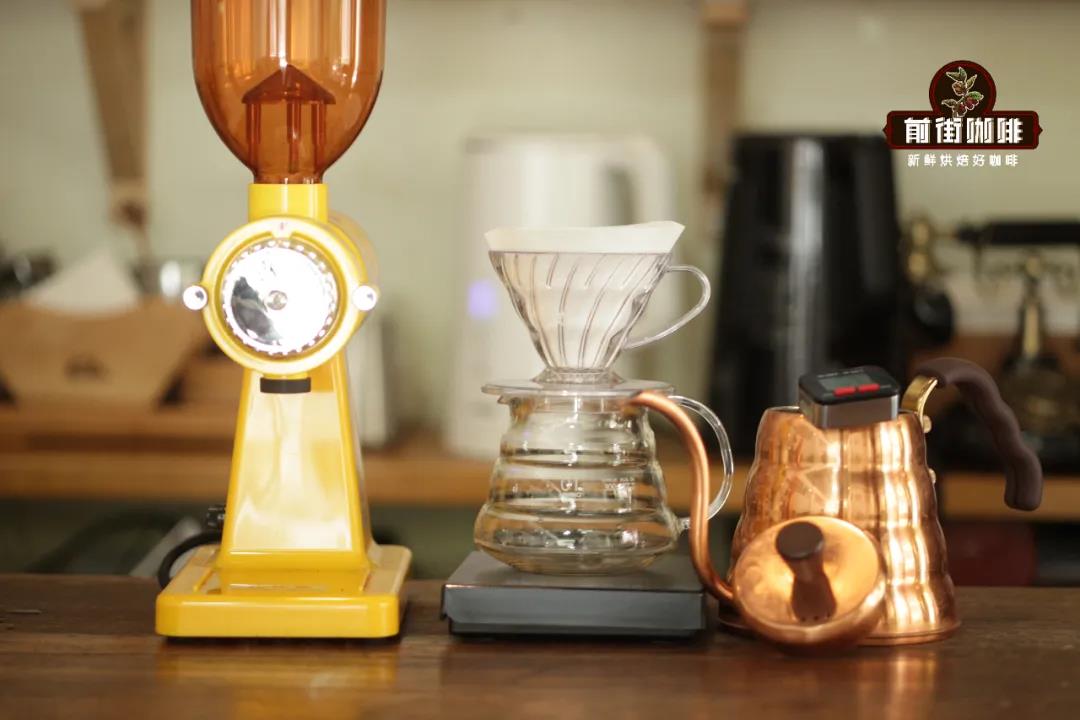
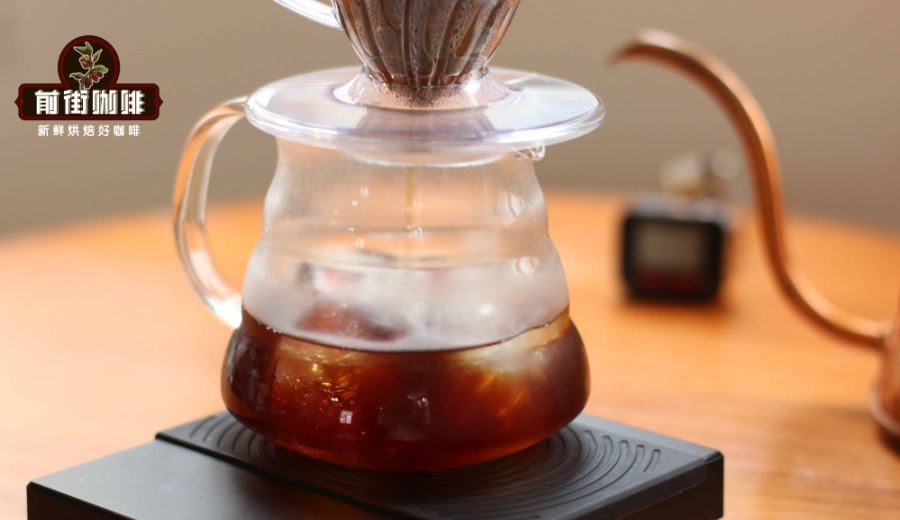
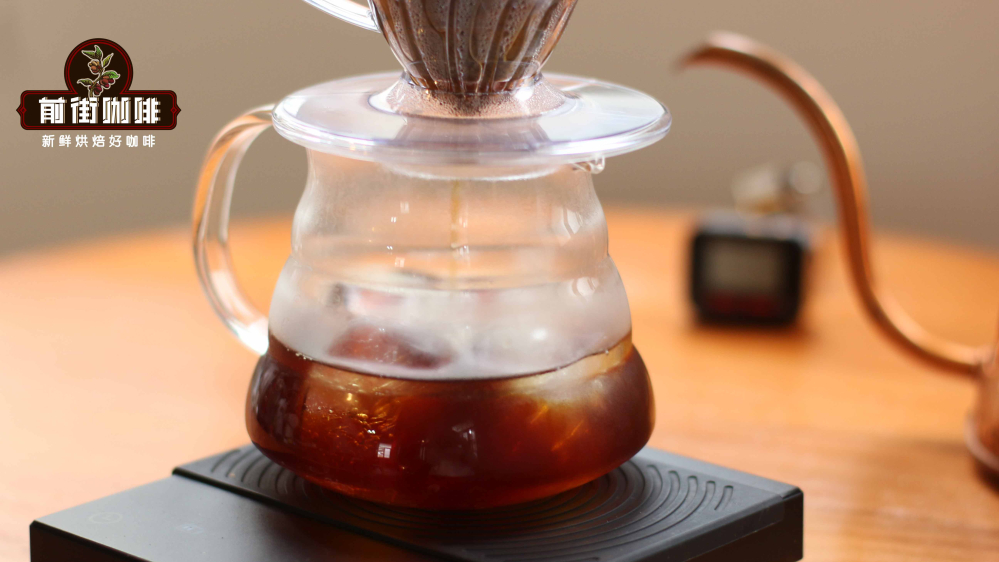
Other auxiliary tools such as digital scales and servers also have their selection points. It’s recommended to choose a fast-displaying digital scale with a timer function, which makes it easy to monitor both brewing time and coffee-to-water ratio simultaneously. As for servers, priority should be given to confirming their heat resistance to avoid cracking due to poor material. Don’t overlook basic durability just because of an attractive appearance—stable equipment ensures consistent quality with each brew.
The above content is compiled by CoffeeHunters, a coffee news website.


