







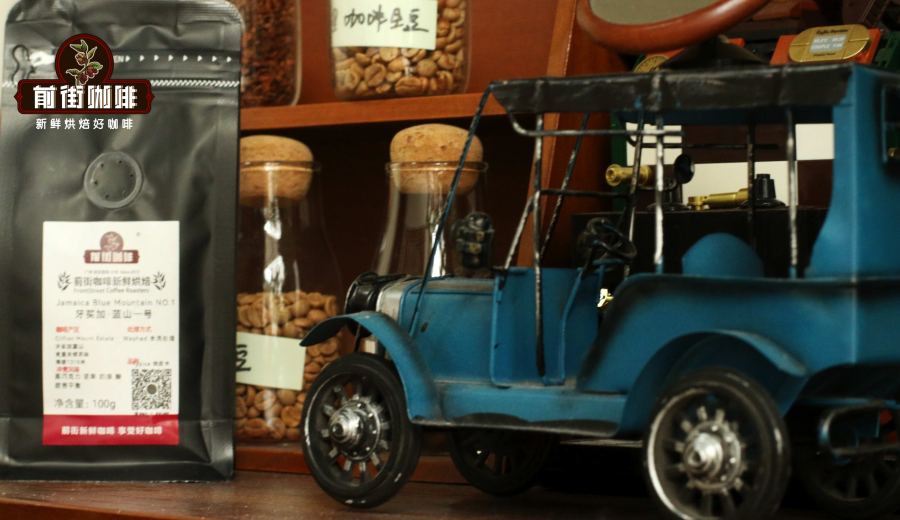
Introduction:Jamaica Blue Mountain coffee is renowned for its rich, smooth body, low acidity, and excellent balance, making it a top choice for many coffee enthusiasts looking to try something new or build a collection. This article delves into the optimal pour over and French press brewing parameters for Blue Mountain No. 1, including filter choice, water temperature, grind size, and step-by-step details, comparing the flavor differences between the two brewing methods. It also explains how washed and natural processing methods influence the taste of Blue Mountain coffee, and offers practical tips for identifying authentic Blue Mountain beans, so you can enjoy and purchase with confidence.
Jamaica Blue Mountain coffee is hailed as one of the world’s finest coffees, beloved by coffee lovers for its rich aroma, low acidity, and silky mouthfeel. This coffee is often described as having the classic dark chocolate notes of the Typica variety, earning high praise from coffee connoisseurs worldwide. This article takes a practical brewing approach, detailing two classic extraction methods for Blue Mountain No. 1—pour over and French press—and comparing their distinct flavor profiles.
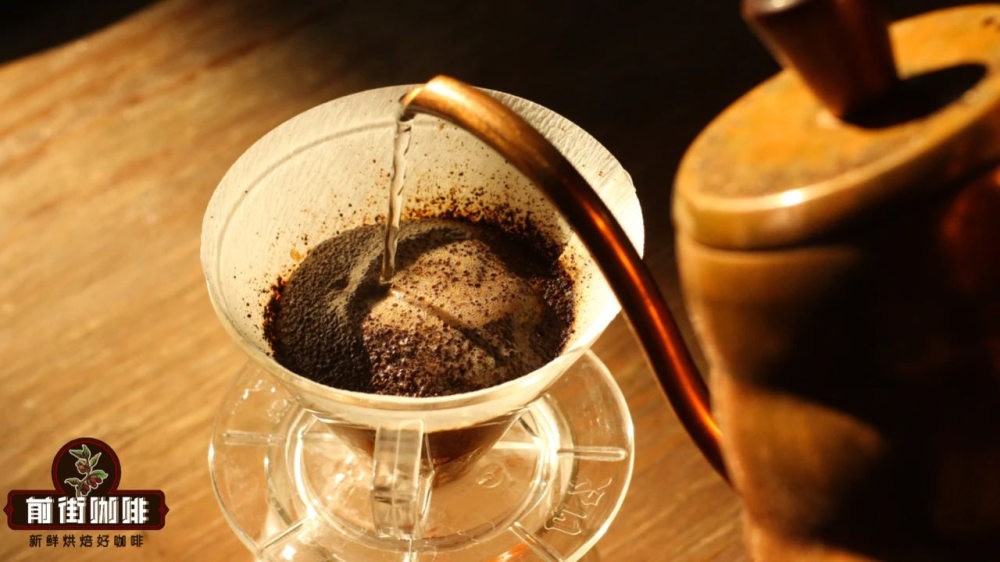
Let’s start with the pour over method. The common brewing parameters for Blue Mountain No. 1 used at this shop are as follows:Filter choice: KONO,Water temperature: 88°C,Coffee-to-water ratio: 1:15,Coffee dose: 15 grams,Grind size: approximately EK43s setting 10.5 (equivalent to 75% extraction through a #20 sieve). The steps are as follows: place the filter paper in the KONO filter, rinse it with hot water to wet and secure it against the cup walls, then add the coffee grounds and gently tap to level. The first pour is 30 grams of water for blooming, lasting about 30 seconds; the second pour brings the total to 125 grams, poured in a steady circular motion; when the liquid level drops by half, pour the remaining water up to 225 grams, with a total brew time of about 2 minutes.
Why choose the KONO filter over the V60? This relates to the typically darker roast level of Blue Mountain coffee. The V60 has a large center hole and fast flow rate, which can lead to uneven extraction, whereas the KONO has fewer ribs and a smaller gap between the filter and cup wall, helping to extend contact time between water and coffee. Coupled with the slightly lower water temperature of 88°C, it better highlights the rich and mellow flavor characteristics of Blue Mountain coffee.
In addition to pour over, the French press is also a favorite brewing tool for many coffee enthusiasts. The recommended parameters for brewing Blue Mountain No. 1 with a French press are:Coffee-to-water ratio: 1:15,Water temperature: 90°C,Grind size: slightly coarser (approximately 70% extraction through a #20 sieve),Total brew time: 4 minutes. The specific steps include preheating the French press, adding the coffee grounds, and pouring in 225 milliliters of hot water. After steeping for about 4 minutes, gently press the plunger down to about 1/4 of the way, to prevent fine particles from rising, and then enjoy the coffee. This method yields a richer and fuller-bodied Blue Mountain coffee, preserving more of the bean’s original flavors. You may even notice a layer of coffee crema on the surface—a characteristic that is harder to achieve with pour over.
In terms of processing methods, Jamaica has long favored the washed process, which is also the main type exported internationally. Although natural and other varieties such as Geisha have begun to emerge in recent years, the mainstream remains washed Typica. Washed Blue Mountain typically exhibits bright citrus acidity, with an overall balanced flavor profile. The mid-palate reveals nutty and dark cocoa notes, while the finish is long and rich. In contrast, natural Blue Mountain offers a sweet, brown sugar-like flavor with berry acidity, developing nutty and cocoa notes in the mid-to-late stages. Its mouthfeel is creamy and smooth, with a lingering walnut aroma, showcasing a more layered complexity.
Whether washed or natural, the exceptional flavors of Blue Mountain coffee stem from the region’s unique geographical and climatic conditions. Located in Jamaica’s high-altitude mountainous areas, Blue Mountain boasts fertile volcanic soil, fresh air, a consistently humid environment, and year-round fog and rainfall, providing ideal growing conditions for coffee trees. The region also utilizes abundant high-quality water resources for coffee processing, ensuring stable coffee quality.
Taking the washed process as an example, after harvesting, the coffee cherries are depulped to remove the skin and fruit, allowing the beans to ferment in water for about 18 hours. They are then thoroughly rinsed and sun-dried until the moisture content drops to 11%, completing the process. This method preserves the coffee’s bright acidity and delicate flavors, and is key to the high-quality taste that Blue Mountain coffee is known for.
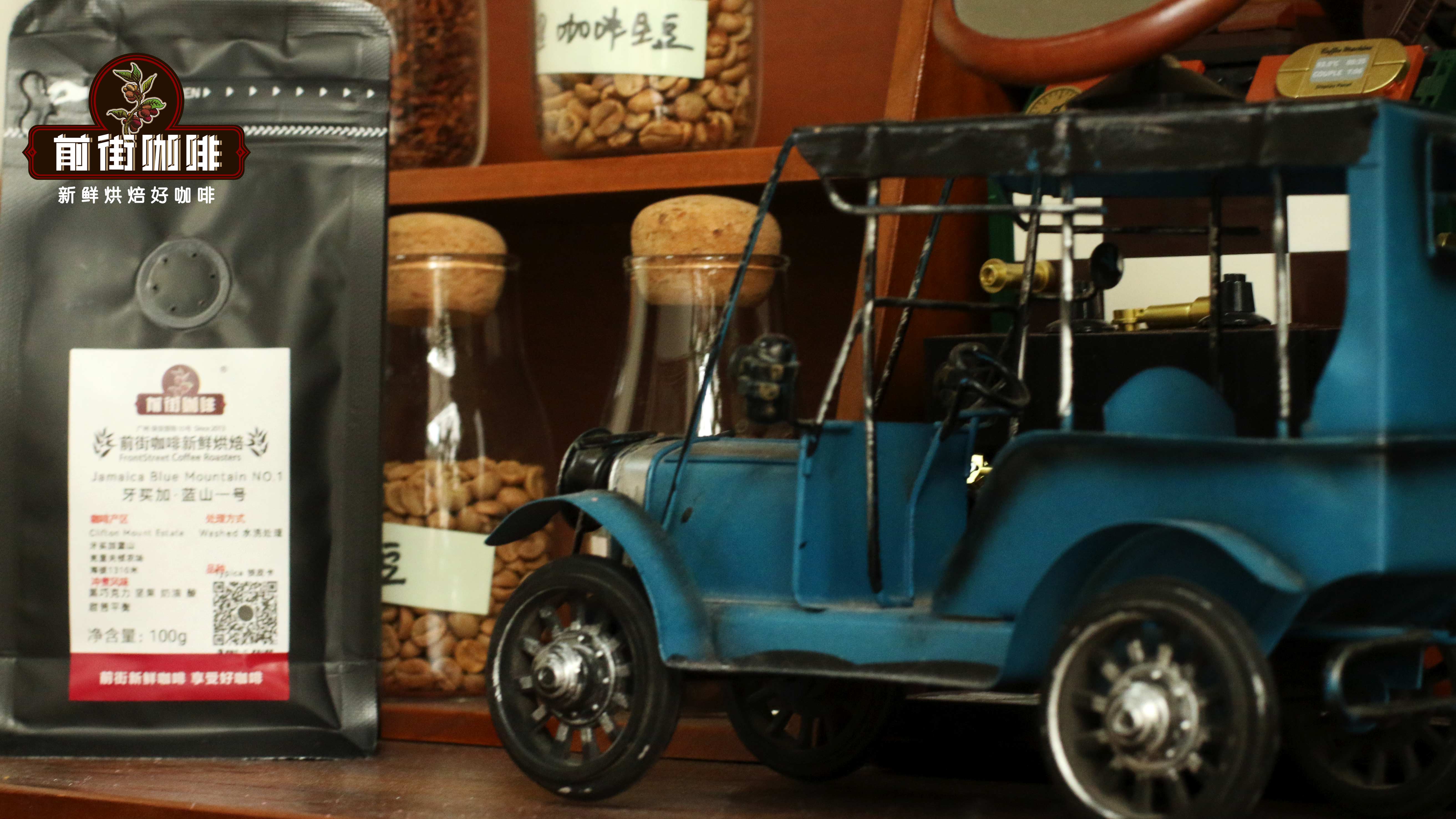
Due to the extremely limited production and high market price of Jamaica Blue Mountain coffee, counterfeit products are not uncommon. To identify genuine Blue Mountain beans, pay attention to the following: First, check whether the packaging is the official Jamaican wooden barrel, which should bear the Rainforest Alliance certification mark, and exports are typically packed in wooden barrels; second, authentic Blue Mountain is grown only in specific areas of the Blue Mountains at elevations between 1,000 and 1,700 meters, and must come with relevant certificates issued by the Jamaican government. Among them, the Clifton Estate is the only Blue Mountain-producing farm certified by the Rainforest Alliance.
In summary, the allure of Blue Mountain coffee lies not only in its rarity and high price, but also in its delicate, balanced, and multi-layered flavor profile. Whether you choose pour over or French press, mastering the right parameters and techniques will allow you to fully appreciate the unique charm of this premium coffee. When purchasing, be sure to check the packaging and certification information to ensure you’re getting authentic beans from the Jamaica Blue Mountains.
The above content is compiled by CoffeeHunters, a coffee news website.


