








Introduction:Want to understand what true Jamaican Blue Mountain No. 1 coffee really is? This article delves into the Typica variety characteristics of Blue Mountain No. 1, the background of the Clifton Estate, the official grading system, and the unique barrel shipping method. It also provides comprehensive pour over recommendations and an accurate flavor profile to help coffee enthusiasts fully grasp the essence and key identifying features of Blue Mountain coffee — from origin and processing to cupping.
Jamaican Blue Mountain coffee has long been hailed as the pinnacle of global specialty coffee, but precisely because of its prestigious reputation, the market is flooded with all kinds of imitation products. This article will systematically introduce the core knowledge of Blue Mountain No. 1 — from the officially certified growing region, the classic Typica variety, the historical background of the Clifton Estate, to the distinctive barrel shipment, the strict grading system, as well as suitable pour over extraction parameters and precise flavor expression — helping you understand and identify what true Blue Mountain No. 1 really is.
The uniqueness of Blue Mountain coffee is closely tied to its exceptional geographical environment. As the highest mountain range in the western Caribbean, the main peak of Blue Mountain reaches an altitude of 2,256 meters, and authentic Blue Mountain No. 1 coffee must be grown in specific areas above 1,000 meters in elevation, and is limited to the Typica variety. Jamaica is also currently the only coffee-producing country in the world that insists on exporting green beans in wooden barrels, a tradition that further enhances its rarity and value.
Take the Clifton Estate as an example — this estate not only holds Rainforest Alliance certification, but its planting location is in the New Castle area, covering a total area of approximately 250 acres, with an average altitude of 1,310 meters. It employs the washed processing method to ensure the coffee’s flavors are pure and layered. The Blue Mountain No. 1 produced here, with its balanced acidity, sweetness, and bitterness, as well as rich aroma and full body, serves as a representative example of Blue Mountain quality.
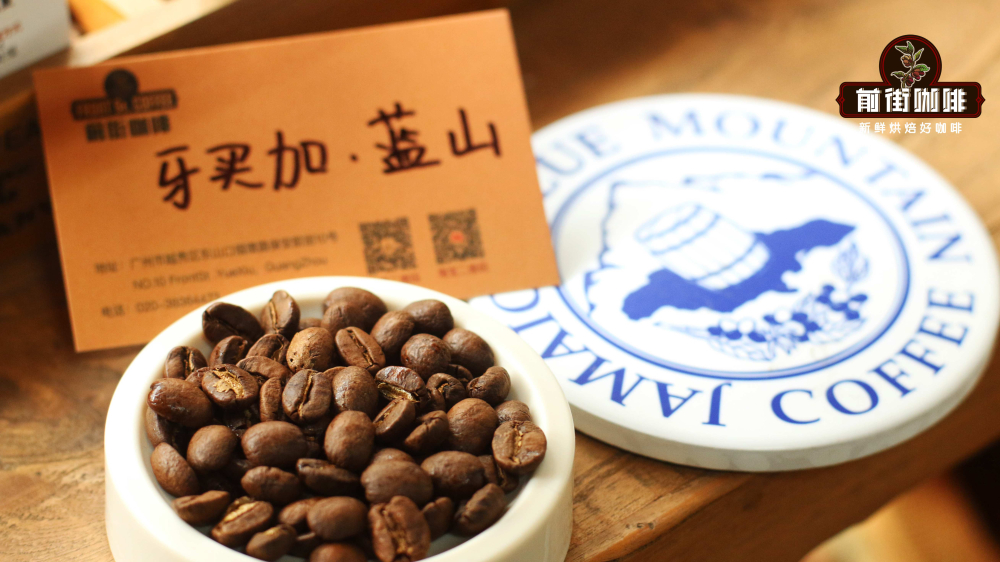
The geographical conditions of Jamaican Blue Mountain can be described as naturally gifted. Located at around 25 degrees north latitude, within the global coffee “golden belt,” the soil is nutrient-rich volcanic soil with high levels of nitrogen and phosphorus. Coupled with stable and abundant rainfall, high humidity, significant day-night temperature differences, and the natural shading effect of mountain mist, it creates an almost perfect coffee-growing environment. Because of this, Blue Mountain coffee is able to exhibit a level of delicacy and depth that is difficult to replicate in other regions.
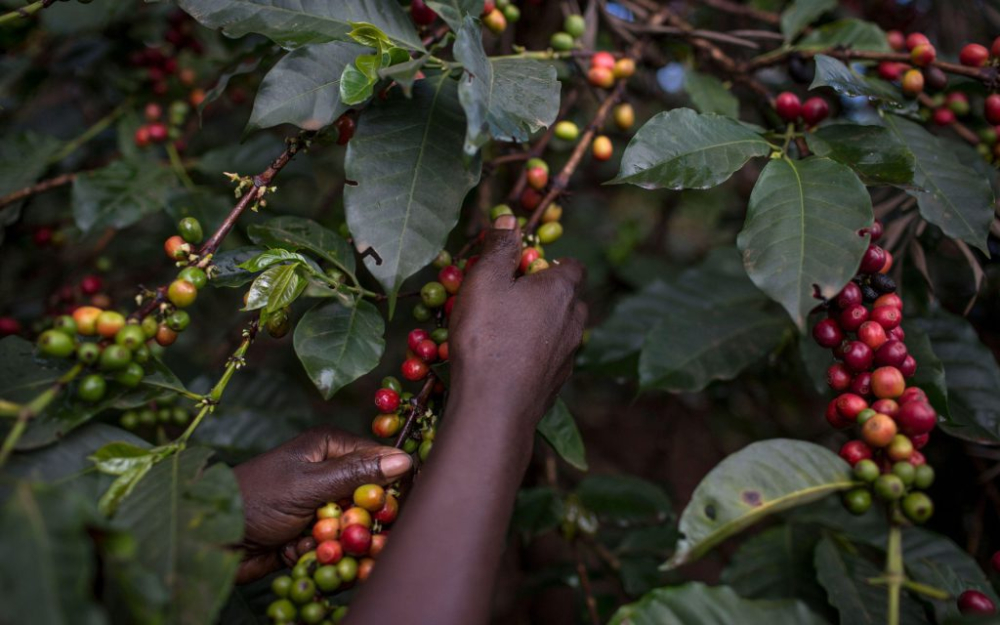
The local coffee harvest season generally runs from June to November each year, and picking is primarily done by hand. Since most coffee farms are located on steep slopes, harvesting is highly challenging and relies on experienced local female workers who carefully select coffee cherries at the optimal ripeness to ensure the highest quality of the final beans.
The history of Blue Mountain coffee dates back to 1725, when Sir Nicholas Lawes, then Governor of Jamaica, introduced the first batch of coffee seeds from Haiti and successfully trial-planted them in a private estate in the St. Andrew area. Subsequently, coffee cultivation gradually expanded into the Blue Mountain region, especially thriving in the foggy, high-altitude mountain environment, where the coffee performed exceptionally well, prompting Blue Mountain to become one of Jamaica’s important cash crops.
However, following the abolition of slavery, labor shortages, and management chaos, Blue Mountain coffee once faced a crisis of declining both yield and quality. It wasn’t until 1944, with the establishment of a central washing facility and unified management of quality and grading by the government agency CIB (Coffee Industry Board), that Blue Mountain coffee gradually regained its rightful reputation and status.
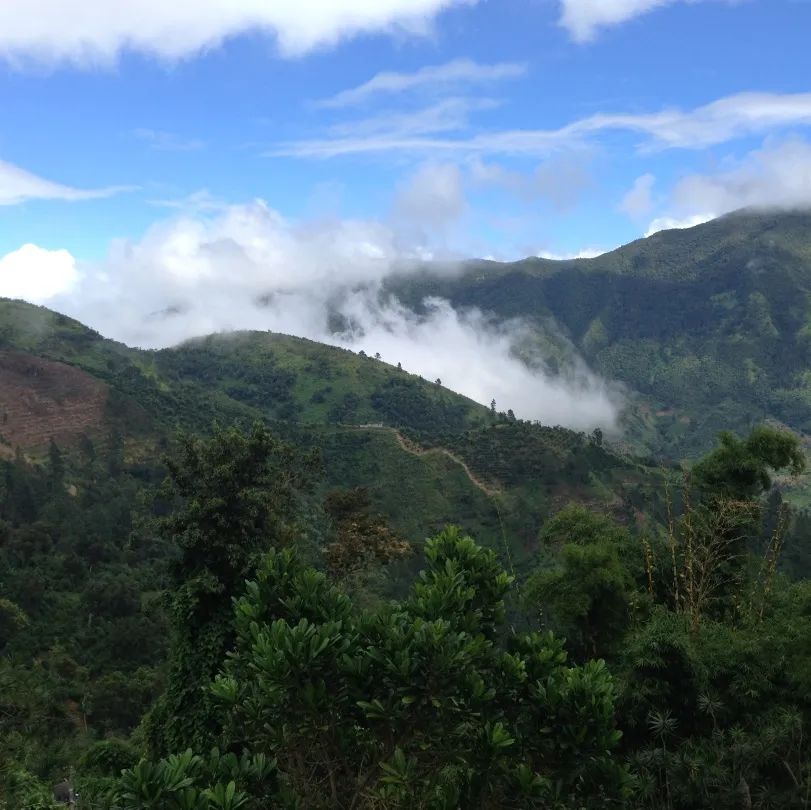
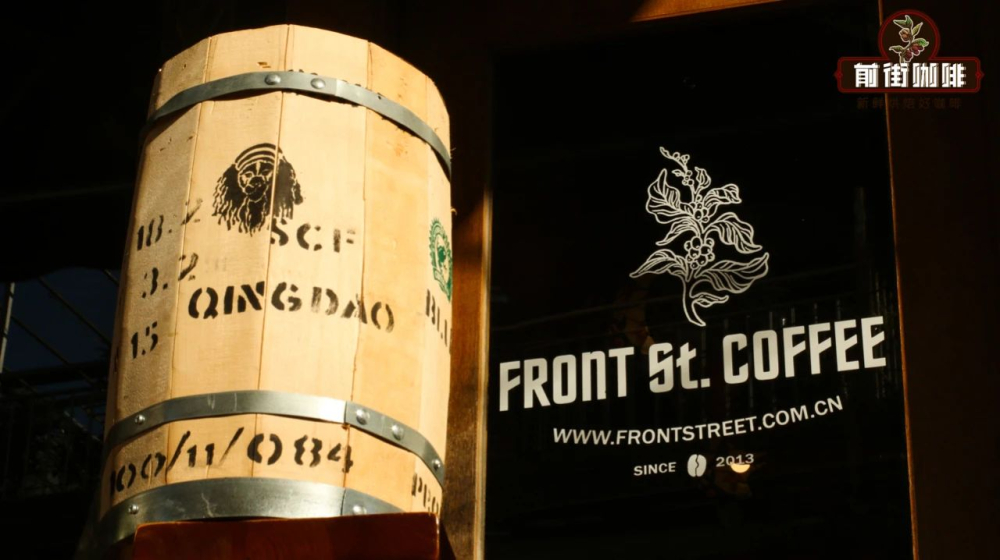
The Jamaican government strictly limits the Blue Mountain coffee growing region to four administrative districts: Saint Andrew, Saint Thomas, Saint Mary, and Portland, at elevations between 1,000 and 1,700 meters, covering a total area of only about 6,100 hectares. Only Typica variety coffee grown within these areas and meeting the altitude criteria can be officially named “Blue Mountain Coffee.” Additionally, Blue Mountain is the only coffee region in the world that ships green beans in wooden barrels — each barrel is printed with an exclusive certification, including a Rainforest Alliance certification mark, symbolizing a commitment to environmentally friendly production.
In terms of grading, Blue Mountain coffee is divided into three categories: Blue Mountain, High Mountain, and Jamaican Coffee, each further subdivided into different grades. Blue Mountain No. 1 is the highest grade, followed by Blue Mountain No. 2, then High Mountain No. 1, High Mountain No. 2, and regular Jamaican Coffee. The CIB stipulates that No. 1 grade Blue Mountain green beans must meet strict standards such as being above screen size 17, having a defect rate below 3%, and a moisture content of around 13%.
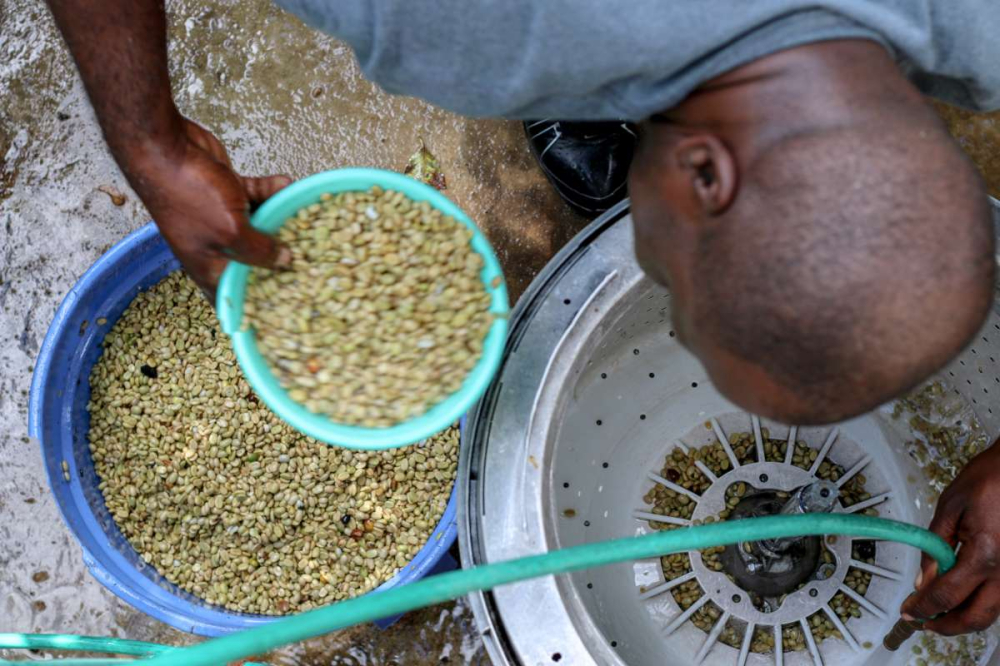
In terms of processing, Blue Mountain coffee has long exclusively used the washed process — removing the pulp layer through fermentation, then rinsing multiple times with clean water until the bean surface is smooth and clean, and finally drying in the shade to control moisture content between 12% and 14%. It’s worth noting that a small amount of sun-dried Blue Mountain coffee has also recently emerged, bringing new variations to the traditional flavor.
Typica, as the main variety of Blue Mountain coffee, has oval or slightly pointed bean shapes, with top leaves that show a distinctive bronze color, hence it is also called “red-topped coffee.” This variety grows tall with slanting branches, and although it offers elegant flavors, it has low yield and weak disease resistance, making it a classic high-quality but low-output variety. Its coffee cherries turn a bright red when ripe, with an attractive appearance, making it one of the representative tree varieties of high-quality coffee.
Currently, the total planted area of the Blue Mountain region is only about 6,000 hectares, with the Clifton Estate being the largest producing unit. This estate is not only a historic local coffee producer, but also holds Rainforest Alliance certification, making it one of the very few coffee estates that meet the “Sustainable Agriculture Network Standards.” The barrels clearly display the Rainforest Alliance certification mark, ensuring environmentally friendly production. As early as around 1750, coffee cultivation began in the Clifton Mountain area. The region’s high altitude, afternoon mist, sunlight, and mineral-rich soils create the unique richness and refinement that define Blue Mountain coffee.
For pour over enthusiasts, the following parameters are recommended to fully showcase the potential of Blue Mountain No. 1: 15 grams of coffee, using a KONO filter, a 1:15 coffee-to-water ratio, grind size recommended as BG#6W (medium-fine), and water temperature controlled at 86°C. For the pour over steps, it is suggested to start with a 30-second bloom using 30 grams of water, followed by pouring in small streams up to 125 grams of water, then waiting for the water level to drop slightly before continuing to 225 grams. The total extraction time is about 2 minutes, effectively highlighting the balanced flavors and delicate layers of Blue Mountain coffee.
In terms of flavor profile, common descriptors for Blue Mountain No. 1 include black chocolate, nuts, a creamy smooth texture, and an excellent balance among acidity, sweetness, and bitterness. This harmonious taste is precisely the irreplaceable charm of Blue Mountain coffee.
As for how to distinguish real Blue Mountain from fakes, several key characteristics can be used as a starting point: First, Blue Mountain green beans appear bluish-green, uniform in size with slightly upturned ends, and the roasted beans are plump; when hand-grinding, due to high-altitude growth, the cell structure is loose, resulting in a crisp and smooth feel; the aroma is rich and genuine, without the impurities often found in blended beans; the taste emphasizes balance, with no single flavor being overly prominent or missing. In addition, genuine Blue Mountain must come from export units designated by the national coffee authority, shipped in wooden barrels, and the barrel lids bear the Rainforest Alliance certification frog logo — all important indicators for identification.
The above content is compiled by CoffeeHunters, a coffee news website.


