








Introduction:As the world’s largest coffee-producing country, Brazil is renowned for its coffee beans’ rich, balanced foundational characteristics. This article delves into how medium-dark roasting transforms the flavor profile of Brazilian beans—from sweet, nutty notes to intense caramel and cocoa—and offers practical advice for both espresso blends and specialty single-origin beans. Whether you’re looking for a stable blend base or aiming to explore the nuanced layers of a Brazilian single origin, you’ll find answers in this guide.
As the world’s top coffee producer, Brazil’s beans are known for their smooth, mellow body and exceptional compatibility. Especially under varying roast levels, these beans exhibit significant flavor differences: medium roasts highlight bright nuttiness and a soft balance of acidity and sweetness, making them ideal for single-origin enjoyment or as a blend foundation; whereas further darkening to medium-dark or dark roasts allows caramelization reactions to unleash rich cocoa and dark sugar aromas, making them a staple choice for many espresso blends.
When selecting Brazilian coffee beans, it’s recommended to prioritize processing methods and growing altitudes. Common semi-washed (pulped natural) processing helps retain more fruity and sugary notes, especially in high-altitude regions like Cerrado or Mogiana, where more complex specialty-grade beans can be cultivated.Roast level often directly determines the direction of the final flavor.From bright, creamy nuttiness to deep dark chocolate, it all depends on the roaster’s control of heat.

Brazilian beans naturally possess a stable acid-sweet balance and a solid body, making them a preferred base for many coffee shops crafting blends. Compared to varieties like Yirgacheffe, which boast pronounced acidity and bold personalities, or Indonesian Mandheling, which is heavy and earthy with a slightly herbal touch, Brazilian beans offer an unassuming yet highly accommodating character. This quality allows them to seamlessly integrate with beans from Africa, Central and South America, or Southeast Asia, creating diverse blend styles.
For example, some espresso blends combine Brazilian semi-washed beans with Colombian washed beans, enhancing nutty, dark chocolate, and caramel layers through medium-dark roasting—ideal for consumers who prefer bold flavors.For those seeking cost-effectiveness, some commercial blends incorporate a small amount of Robusta to boost crema and intensitywhile still maintaining the stable foundation provided by Brazilian beans.
In the market, many barista-recommended espresso blends often include Brazilian beans to provide a rich base tone and silky mouthfeel. For instance, a blend of Yunnan washed beans and Brazilian semi-washed beans retains moderate fruit acidity while delivering mellow caramel and nutty aromas—perfect for everyday drinking or as a milk coffee base. Another classic combination pairs Indonesian Mandheling with Vietnamese beans, using dark roasting to bring out intense oils and roasted hazelnut notes, which, when paired with milk, emphasize the velvety texture of dark chocolate and the aroma of walnuts.
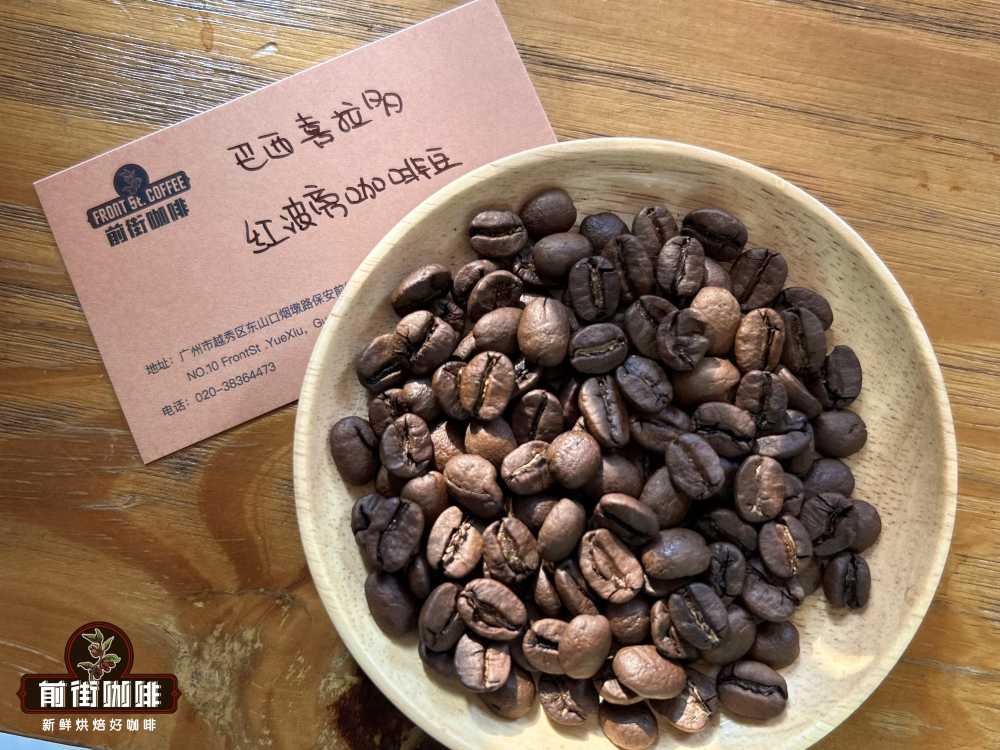
For coffee enthusiasts eager to explore Brazilian single-origin beans, it’s recommended to start with specialty beans from high-altitude regions. For example, Red Bourbon from the Cerrado region, grown at around 1,000 meters and processed via semi-washed methods, retains abundant sugars and fruity notes. Such beans often exhibit creamy, peanut, and caramel-toned profiles, making them great entry-level choices for pour-over or French press.
Another noteworthy specialty single-origin bean is Yellow Bourbon from Fazenda Rainha in the Mogiana region. Managed by Regina Helena Mello de Carvalho Dias, the estate grows beans at altitudes between 1,400 and 1,950 meters. Through refined semi-washed processing, the beans are endowed with intense chocolate, nutty, and tropical fruit aromas. These high-altitude Yellow Bourbons typically feature brighter fruit tones and complex sweetness, making them an excellent choice for advanced coffee enthusiasts to explore the diversity of Brazilian beans.Different processing methods and altitudes significantly influence flavor expression.It’s advised to adjust grind size and water temperature according to brewing methods to fully unlock the beans’ potential.

The above content is compiled by CoffeeHunters, a coffee news website.


