







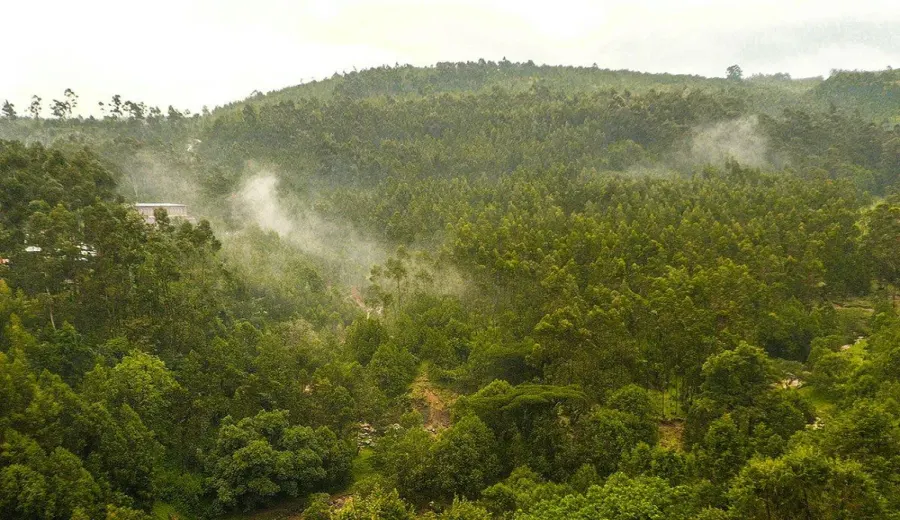
Introduction:The Kafa Forest is Ethiopia’s most pristine coffee habitat and the sacred birthplace of Arabica coffee. This article will take you deep into understanding how this misty, high-altitude rainforest nurtures wild coffee with unique flavors — from historical legends and microclimatic conditions to actual cupping profiles, giving you a comprehensive appreciation of the true charm of wild Arabica.
When it comes to the origin of coffee, nearly all stories point to Ethiopia’s Kafa Forest. This untouched jungle in the high-altitude mountains is not only the natural home of Arabica coffee trees but also a sacred place in the hearts of coffee lovers worldwide. Here, coffee trees grow not in neat farmlands but in symbiosis with other plants in the tropical rainforest, forming a unique ecosystem.
Legend has it that a shepherd noticed his goats becoming unusually energetic after eating a certain red berry. Curious, he tried the fruit himself, thus beginning humanity’s relationship with coffee. Though this story is hard to verify, the name of the Kafa region is believed to be closely linked to the etymology of the word “coffee,” adding an extra layer of mystique to this forest.
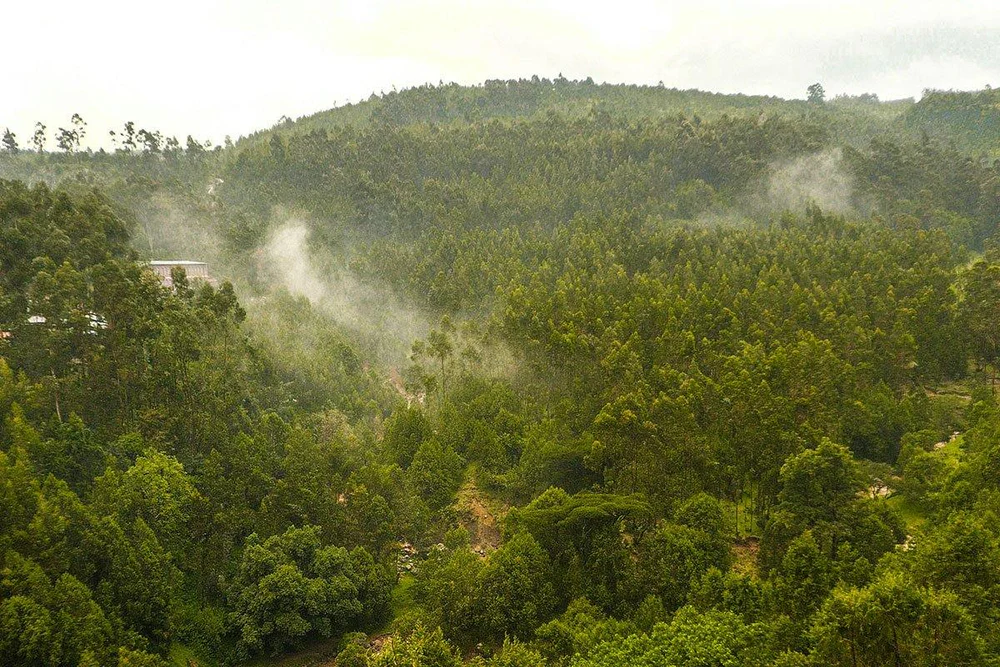
The Kafa Forest is considered one of the few places on Earth that still preserves a primitive wild coffee gene pool. The coffee trees here belong to true heirloom varieties — not bred through later generations of cultivation, but strains that have survived hundreds of years under natural selection. These coffee trees are scattered across jungles at altitudes between 1,400 and 2,100 meters, perennially shrouded in mist, with cool and humid climates, along with fertile red soil rich in organic matter, creating an exceptionally favorable environment for coffee growth.
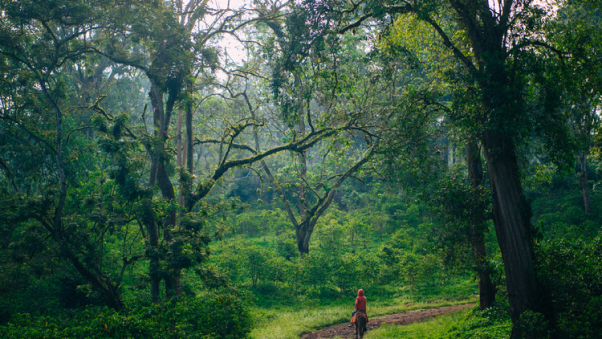
Notably, the coffee trees here are not densely planted by humans but grow naturally under the shade of tall forest trees. Fallen leaves and humus in the woods provide abundant nutrients while maintaining soil aeration and water retention, allowing coffee cherries to accumulate richer flavor compounds during slow maturation.
To deeply experience the unique flavors of wild coffee from the Kafa Forest, we specially selected a G1-grade coffee bean processed using the natural (sun-dried) method. This batch comes from jungle areas at around 1,800 meters altitude. After harvesting, the beans undergo prolonged sun exposure, allowing the sugars in the pulp to fully penetrate the seeds, imparting a rich sweetness and complex layers of fruity aroma.
In roasting, we adopted a medium-light roast level, aiming to preserve the coffee’s inherent floral and fruity notes as well as its bright acidity. This roasting approach highlights the delicate characteristics of wild coffee, making the flavors clearer and more layered.
Within 24 hours after roasting, we immediately conducted cupping. In the dry aroma stage, this coffee exhibits fresh white floral notes, subtle lemon scent, and a refreshing citrus peel-like note. Once hot water is poured in, aromas of sweet orange and ripe apricot emerge immediately, creating a warm and inviting atmosphere.
The first impression upon tasting is a bright and clean fruit acidity, featuring the freshness of lemon, the vibrancy of sweet orange, and the soft harmony of nectarine and green tea. As the temperature drops, the fruitiness transitions into juicy apricot and green grape flavors, with a light body and distinct layers. The aftertaste carries a hint of natural sweetness from melon and nuts, leaving a refreshing and long-lasting impression that feels warm and comforting.
In summary, the wild Arabica coffee from the Kafa Forest, with its unique ecological background and natural flavor expression, is an excellent choice for coffee enthusiasts exploring the essence of original coffee flavors. Whether as a daily pour over specialty bean or as a medium to understand the origins of coffee, the beans nurtured by this forest offer you an unprecedented sensory experience.
The above content is compiled by CoffeeHunters, a coffee news website.


