








Introduction:Americano is an essential daily pick-me-up for many, but there are still plenty of questions about whether it should be sweetened and how to make a great version. This article starts with the historical background of World War II, explores the evolution and nutritional value of Americano, and delves into the characteristics of medium-dark roasted espresso blends suitable for home brewing. It also provides the golden ratio for espresso extraction and an analysis of common causes of bitterness, helping you master everything from bean selection to brewing.
Walk into any café, and Americano is almost always one of the must-have options. It’s not only quick to prepare but also has a relatively refreshing flavor, making it perfect for busy mornings or when you need a boost. However, many people hesitate to add sugar when ordering this coffee, worried that it might seem unrefined or affect the original flavor profile. Additionally, many are curious—how can they replicate this classic at home? What kind of coffee beans should they choose? This article will take you through the charm and tricks of Americano from three perspectives: history, nutrition, and practical brewing.
The most common origin story of Americano dates back to World War II in Italy. At the time, American soldiers couldn’t get used to the intense bitterness and high concentration of local espresso, so they diluted it with hot water themselves. This drinking method drew ridicule from Italians, who called it “Americano,” meaning “the American’s coffee.” Another theory is that as Starbucks introduced Italian espresso culture to the U.S. market, to cater to the increasingly influential tastes of American consumers, the brand chose to dilute espresso with water to create a smoother, milder option, which was then promoted globally.
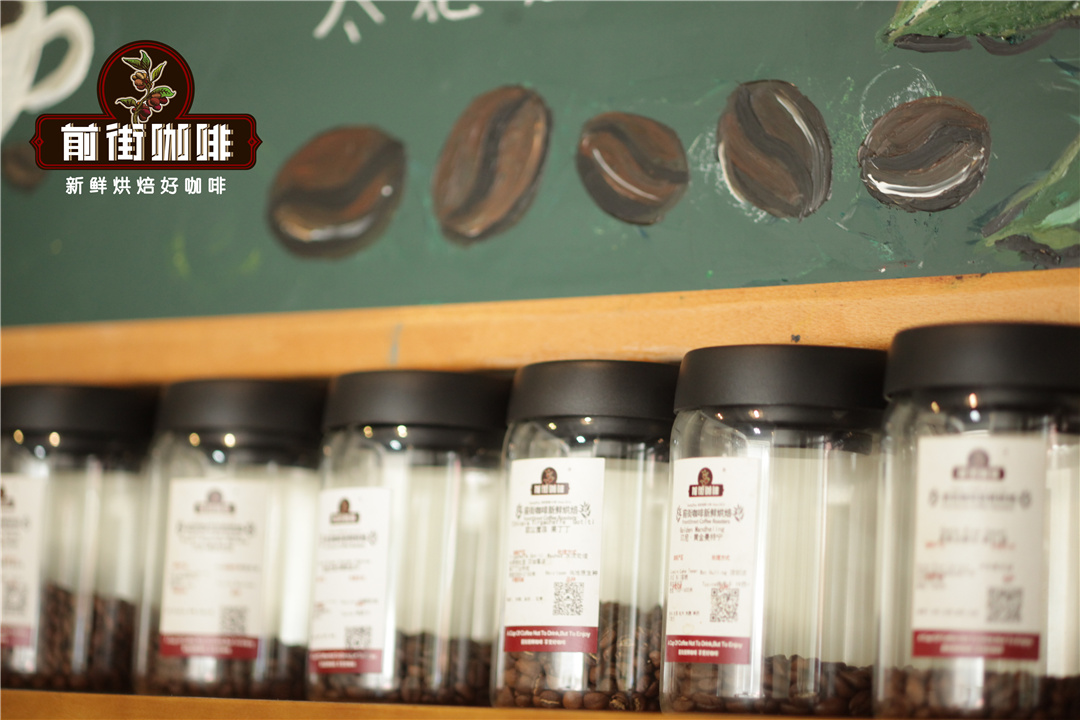
Americano is part of the espresso coffee system, typically based on medium-dark to dark roasted espresso blends. After extracting espresso under high pressure, it is diluted with hot water. A common practice is to use one or two shots of espresso mixed with about 180 ml of hot water, resulting in a flavor profile that is toasty, rich, and layered. However, some drinkers may find its flavor too bitter, in which case adding sugar to taste can help soften the overall taste and make the coffee easier to enjoy.
Many people think of Americano as just “watered-down espresso” with nothing special about it, but in fact, it has quite a few health benefits. First, coffee itself is rich in nutrients, including niacin (a B vitamin), free fatty acids, caffeine, and tannins. Second, coffee helps boost metabolism, improve digestion, and even aid in relieving constipation. There are also home remedies using coffee grounds in warm baths, which are said to have some auxiliary effects on weight loss. Additionally, coffee can accelerate the oxidation of acetaldehyde, offering some hangover relief, and it helps eliminate fatigue and enhance mental alertness. More importantly, the magnesium and potassium in coffee help regulate blood sugar and reduce cravings for sweets, while caffeine promotes fat breakdown, converting it into energy needed during exercise.
So, how do you start making a delicious Americano at home? In fact, the core of an Americano lies in the espresso used, and the flavor of the espresso directly depends on the choice of coffee beans. For beginners or home users, it’s recommended to prioritize medium-dark roasted espresso blends. They’re not only easy to handle but also reliably extract rich crema and flavor, reducing the chance of failure.

If you’re after a rich, smooth texture with a generous crema, a well-known brand’s classic blend is an excellent choice. This blend is anchored by Mandheling and Brazilian beans, with a small amount of Vietnamese Robusta added, delivering intense notes of caramel, nuts, and dark chocolate, along with outstanding crema texture. It’s suitable for making hot lattes or directly extracting espresso. Even beginners can easily appreciate its layers and full body, making it a great staple bean for home use.
If you value cost-effectiveness and everyday drinking, a well-known brand’s Black Cocoa blend is a highly recommended high-CP-value option. It’s a blend of Yunnan small-seed variety and Brazilian Red Bourbon, with a medium-dark roast that retains some bright acidity while highlighting caramel and nut aromas. When brewed as an Americano, it has a refreshing taste, and as a latte base, it complements the natural sweetness of milk. This bean is favored by many baristas for its moderate price and consistent performance, making it ideal for home users on a budget who still want good flavor.
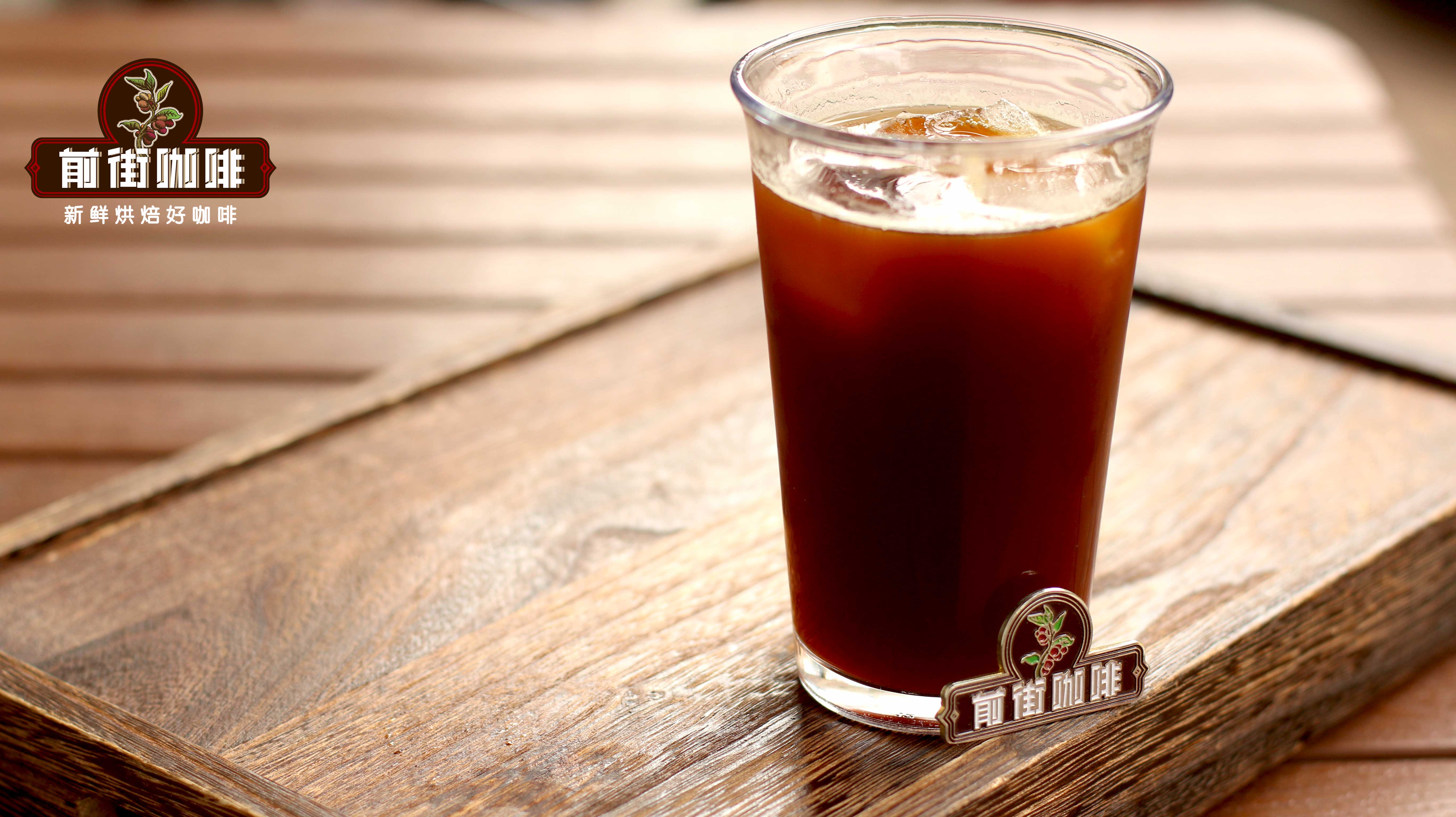
In cafés, making a standard shot of espresso usually follows the golden extraction ratio of “20 grams of coffee grounds yielding 40 grams of espresso in 25–30 seconds,” or “18 grams yielding 36 grams in the same time frame,” with slight adjustments depending on the portafilter size. Once the espresso is extracted, simply add 180 grams of hot water, or 120 grams of room-temperature water plus 100 grams of ice, to create a balanced-tasting Americano.
However, many people’s impression of Americano often stops at “too bitter to enjoy,” which is actually closely related to the choice of beans and the brewing method. First, if the beans used for espresso extraction are inherently heavy and intense—such as those with a high proportion of dark roast or specific regional specialty blends—the resulting Americano is naturally prone to obvious bitterness. Taking a common specialty blend as an example, some recipes mix Colombian and Brazilian beans, where the former brings dark chocolate notes and the latter enhances body and nuttiness. If the roast level is on the medium-dark side, the overall profile will lean towards a rich and steady taste.
Additionally, technical details during extraction can greatly affect the final flavor. If the grind is too fine, the water temperature is too high, or channeling occurs due to uneven puck distribution, it can lead to over-extraction—where the extraction yield exceeds the ideal range (the Golden Cup standard suggests an extraction rate of 18%–22%). Once it goes beyond 22%, excessive bitter and astringent compounds are released, making the coffee taste overly bitter and harsh, losing its intended layers and balance.
In summary, Americano is not just “diluted espresso.” It has its own historical background, nutritional value, and unique flavor potential. Whether you want to replicate a smooth, everyday pick-me-up at home or dive deeper into optimizing flavor through bean selection and brewing techniques, mastering the right bean variety, roast level, and extraction parameters will allow you to easily enjoy the beauty of this classic coffee.
The above content is compiled by CoffeeHunters, a coffee news website.


