








Introduction:Sidamo Huakui Natural G1 is one of the representative coffees of Ethiopia, renowned for its rose-like floral aroma, sweet peach notes, and black tea finish. This article delves into its regional background, the natural processing method at Buku Abel washing station, the G1 grade standard, and traces the evolution from version 1.0 to 6.0. It also provides professional pour over parameters and practical advice to help you fully experience the unique charm of this classic bean.
When it comes to Ethiopian coffee, many people first think of washed Yirgacheffe, with its bright lemony acidity and citrus profile leaving a deep impression. However, Ethiopia’s coffee world extends far beyond that—Sidamo’s natural Huakui is also a masterpiece not to be missed by specialty coffee enthusiasts. This article will take you on a comprehensive exploration of this highly acclaimed natural G1 coffee, from its regional origins and processing techniques to its flavor characteristics.

As the birthplace of coffee, Ethiopia boasts an extremely rich variety of coffee plant genetics, many of which have not yet been officially named. It is precisely for this reason that the flavor profiles of coffees from different regions can vary significantly, and processing methods are also distinctive. The name “Huakui” may sound rich in Eastern charm, but it actually has no direct connection to Japanese geisha. This coffee first gained attention in 2017 at the Africa Taste of Harvest (TOH) green coffee competition, where the natural batch from Buku Abel washing station won the Ethiopia regional championship. At the time, these beans were mistakenly thought to be Geisha, but they are actually a completely different variety. Due to its outstanding performance in the competition, coupled with the Chinese name “Huakui,” which means the foremost among geisha, the name has been retained ever since.
The Huakui coffee growing region is primarily located in the Guji and Gedeo (also spelled Gedeb or sometimes referred to as "罕贝拉" in certain contexts) zones. Guji was originally part of Sidamo but was designated as an independent region by the Ethiopian Commodity Exchange (ECX) in 2010. It features Vertisol (black soil) with deep soil layers, elevations generally exceeding 1800 meters, and significant day-night temperature variations, providing an ideal environment for coffee cultivation. Gedeo (or 罕贝拉 as localized here) refers to farms and processing stations under the METAD Agricultural Development Company, situated in Ethiopia’s core coffee-growing belt, with fertile volcanic soils and a well-established post-harvest processing system. These factors collectively contribute to the unique flavor characteristics of Huakui coffee.
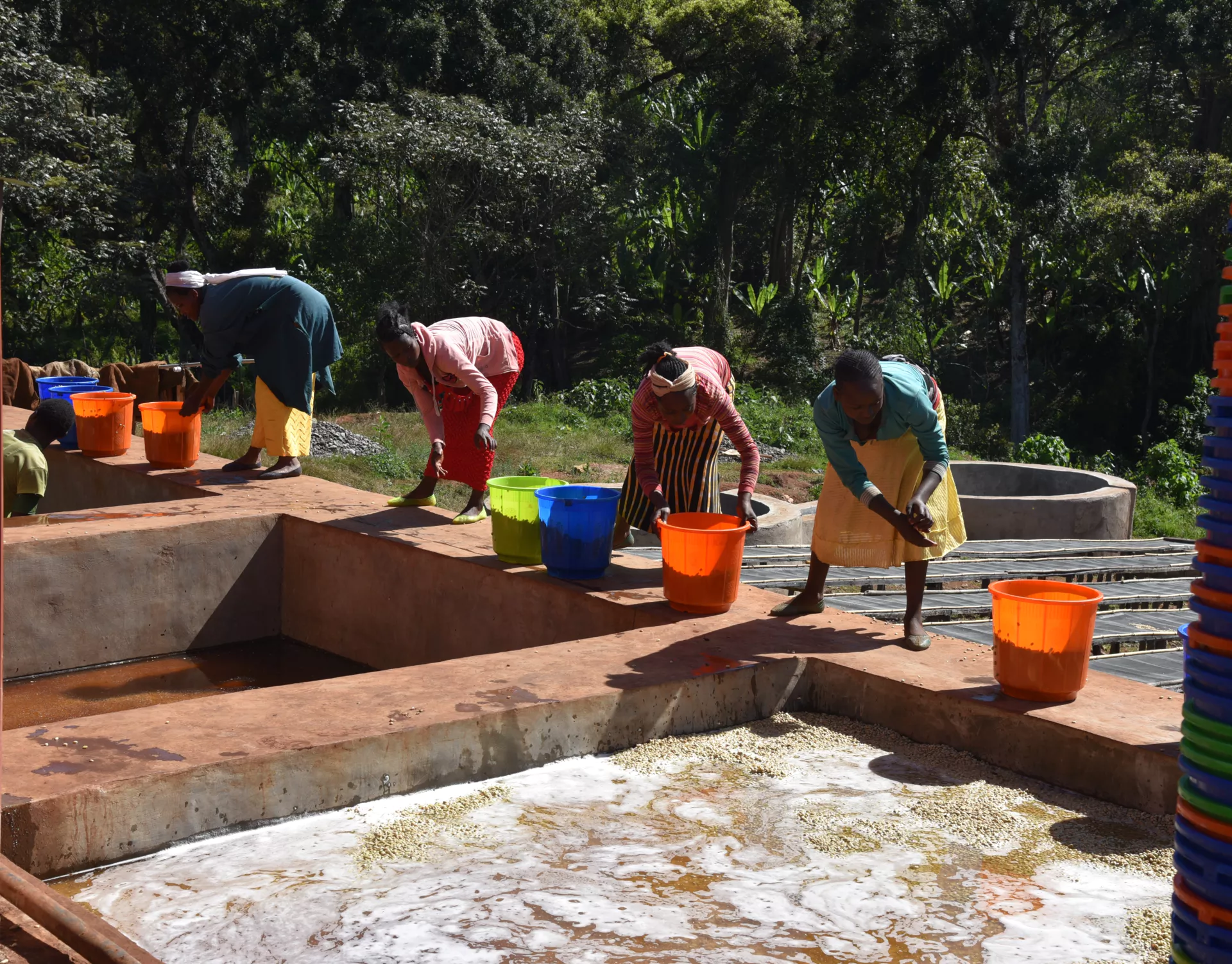
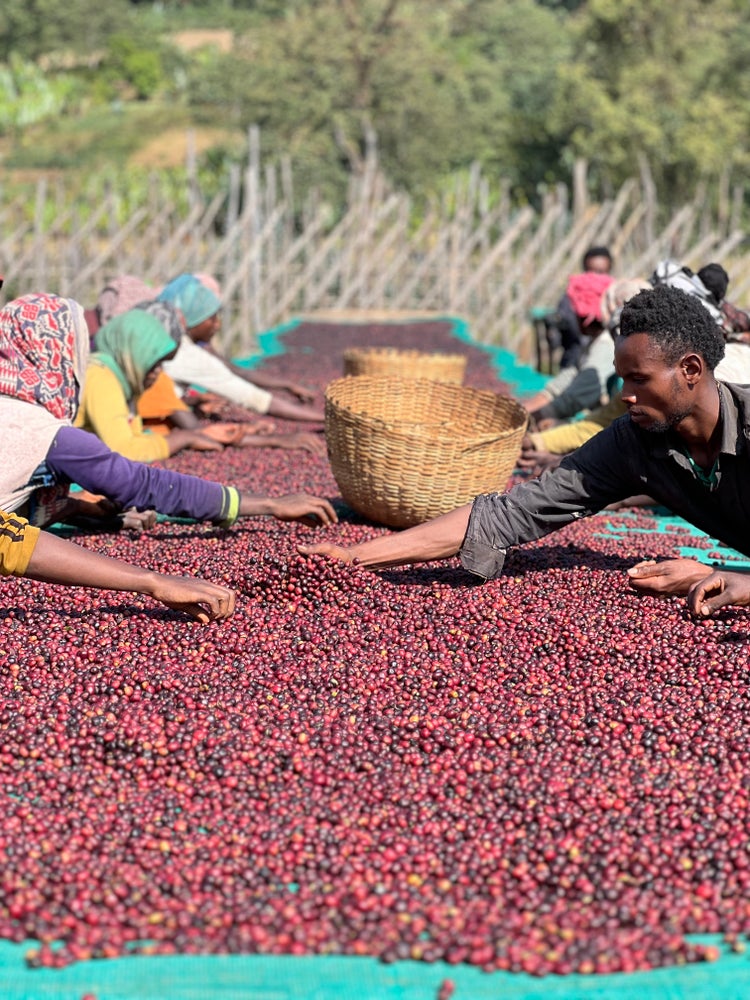
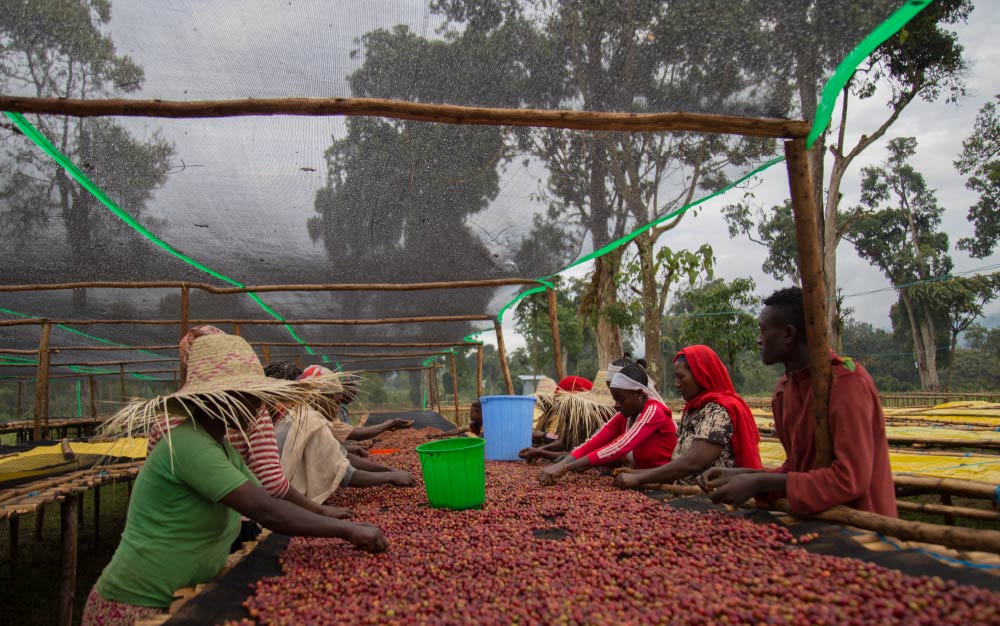
The natural processing method of Huakui coffee is equally crucial. After harvesting ripe coffee cherries, Buku Abel washing station conducts multiple rounds of sorting to ensure only uniformly ripe fruits are selected. Prior to sun drying, the cherries are washed and sorted by skin color to remove overripe or underripe coffee cherries. During the drying process, the cherries must be frequently turned during the first three days to prevent mold or uneven fermentation. The coffee cherries are spread out in a very thin layer to ensure good ventilation, and the entire drying process typically lasts 14 to 18 days until the moisture content reaches the desired standard before further processing.
Since its launch, the Huakui series has released multiple versions from 1.0 to 6.0. Although these versions share a similar dominant flavor profile, subtle differences emerge each year due to variations in climate and environmental conditions. Distinguishing them by version number not only facilitates tracking annual flavor performances but also allows coffee enthusiasts to experience the unique character of different vintages.
In terms of variety, Huakui belongs to Ethiopia’s native coffee species. The beans are relatively small, mostly sized between 14 and 15 mesh, similar to Yirgacheffe but slightly larger overall. Ethiopia is home to the world’s richest coffee genetic repository, with many varieties not yet formally classified, hence they are often labeled as “native variety.” The G1 grade is one of the highest standards for specialty coffee in Ethiopia, requiring rigorous screening with an extremely low percentage of defective beans. Huakui G1 natural beans are grown at altitudes between 2200 and 2500 meters, and their flavor profile is dominated by rose-like floral notes, sweet peach sensations, and a black tea finish, with a long-lasting and layered aftertaste.
For pour over brewing, it is recommended to use freshly roasted coffee beans to fully experience their layered flavors. Beans roasted within five days offer the best flavor, with a recommended resting period of about 4 to 7 days. If using coffee grounds, it is advised to grind just before brewing to avoid oxidation caused by prolonged exposure to air. It is recommended to use a Hario V60 dripper, with water temperature controlled at 90°C, a coffee dosage of 15 grams, a brew ratio of 1:15, and a grind size of medium-fine (80% passing through a Chinese standard No. 20 sieve). The V60’s 60° conical design and spiral rib structure ensure even water flow penetration, extracting a bright and layered cup of coffee.
In summary, Sidamo Huakui Natural G1, with its unique processing technique and regional terroir, delivers captivating floral-fruity aromas and sweetness, making it an excellent choice for exploring the flavors of Ethiopian coffee. By understanding its regional background, processing details, and pour over parameters, you will be able to more deeply appreciate the charm of this classic bean.
The above content is compiled by CoffeeHunters, a coffee news website.


