







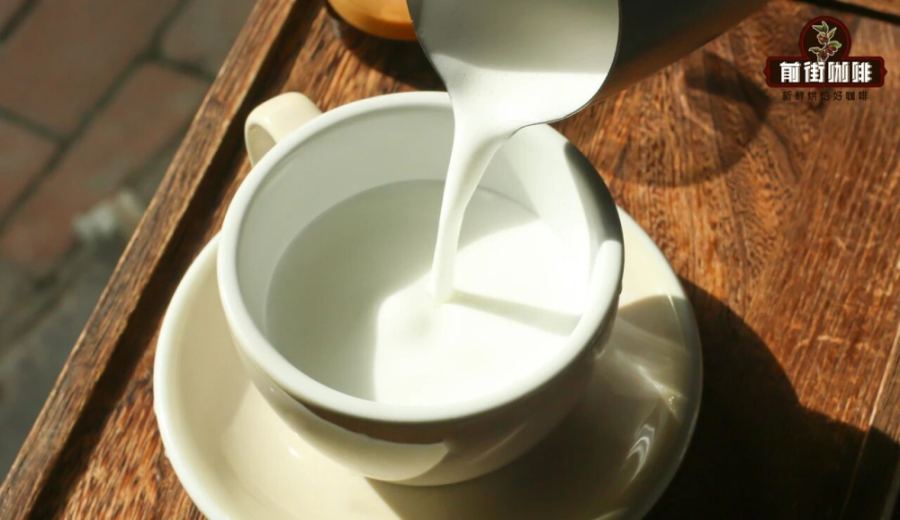
Introduction:When many people hear the word "macchiato," they immediately think of a sweet drink with caramel art on velvety milk. However, the true macchiato has nothing to do with caramel. This article takes you back to the origins of the macchiato, clarifies its fundamental difference from the caramel macchiato, and explores how espresso culture shaped this classic. From early baristas using milk foam as a marker to the evolving ratio of milk to coffee, understanding the evolution of the macchiato also gives you practical insights into its traditional preparation.
Many people, upon hearing the name "macchiato," immediately picture a drink filled with steamed milk, covered in caramel patterns, and bursting with milky aroma. But in reality, the true macchiato has nothing to do with caramel. Its origin can actually be traced back to a practical marking method used by Italian cafés in the 1980s. This article will help you clarify the essential differences between the caramel macchiato and the original macchiato, delve into how espresso culture gave birth to this classic beverage, and explore why traditional macchiatos have become increasingly rare in modern cafés. Additionally, we’ll share some practical tips for selecting coffee beans, so you can try brewing a richly aromatic milk coffee at home.
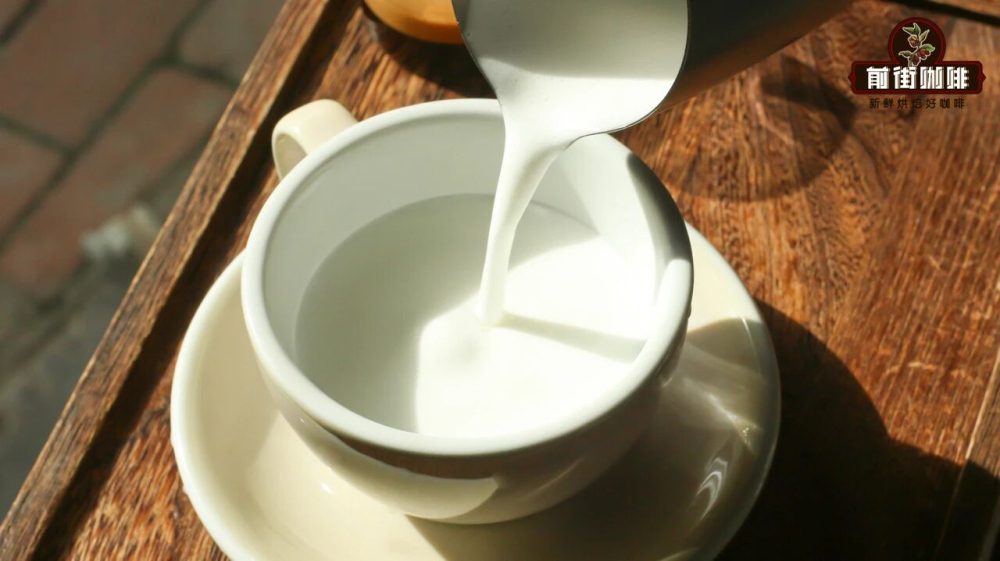
When people talk about macchiatos, they often first think of the large-sized, sweet caramel macchiato introduced by a major chain brand. This drink is typically made by mixing vanilla syrup with espresso, pouring in steamed milk, and then topping it with a dollop of milk foam decorated with beautiful caramel designs. At first glance, it’s not much different from a latte with added syrup.
However, this is not the original form of the macchiato. The true "macchiato," which means "mark" or "stain" in Italian (written as macchiato in English), originates from the café culture of Italy in the 1980s. At that time, espresso was extremely popular, and many customers preferred to enjoy the rich crema of a pure shot of espresso. Italian baristas often used blends containing Robusta beans and employed very dark roasts to bring out intense, bold flavors, while also providing a strong caffeine kick.

Because espresso itself has a strong flavor and pronounced bitterness, some customers would tell the baristas, “It’s too bitter—can I add a bit of milk?” However, at the time, Italian coffee culture emphasized efficiency. Customers often waited in long lines just to quickly enjoy a shot of espresso. Baristas would quickly extract the espresso at the counter, and then it would be served to customers by waitstaff. But because the surface of the espresso is covered with a thick layer of crema, even adding a small amount of milk results in little visible difference, often causing the wrong drink to be served.
To avoid confusion, baristas came up with a solution: they added a small "mark" made of milk foam on top of the espresso with a bit of milk. This action not only helped distinguish between pure espresso and the milk-added version but also became the prototype of the macchiato. Over time, the practice of adding a spoonful of fine hot milk foam to espresso gradually took shape. In fact, this spoonful of foam often already contained a small amount of milk—as experienced baristas know, freshly frothed milk foam is a mix of foam and milk, which only gradually separates after settling.
The resulting macchiato had a smoother and more mellow mouthfeel while still retaining the intense aroma of espresso. With careful sipping, one could also detect a faint hint of milk flavor. However, this drink never became mainstream. After all, the volume of a macchiato is not much different from that of a pure espresso, with only a small amount of milk foam added primarily to soften the intense bitterness of the coffee. As coffee bean quality improved and roasting techniques advanced, modern espresso has become increasingly rich, balanced, and less bitter, reducing the need to add milk.
By the 1990s, the emergence of the caramel macchiato brought the term "macchiato" back into the public eye. But this drink has nothing to do with the original Italian espresso macchiato. Marketed with romantic imagery as a "sweet mark," it was simply a combination of the Italian word macchiato with a sweet style.
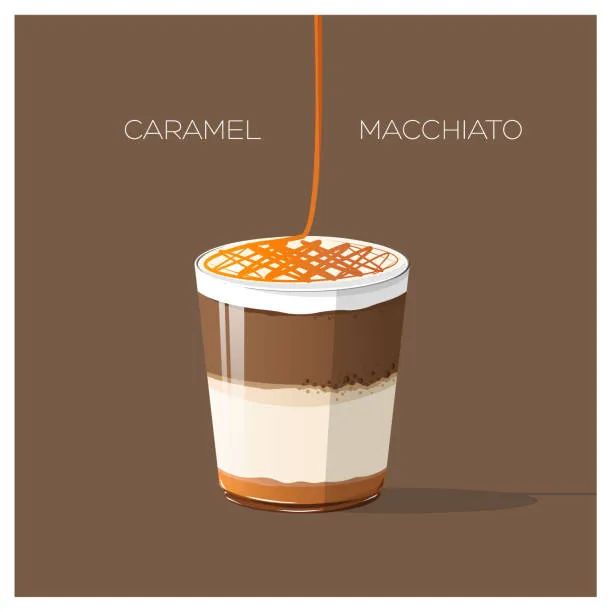
Even so, many coffee enthusiasts still fondly remember the original macchiato and are eager to recreate this classic at home. If you’d like to try making it yourself, it’s recommended to use whole milk for a richer, creamier texture and more luxurious foam. As for the coffee beans, choose an espresso blend with rich crema and pronounced aroma—such as a blend with strong nutty notes or a dark roast with chocolate undertones—to bring out the full flavor profile of this small shot of espresso with milk.
The above content is compiled by CoffeeHunters, a coffee news website.


