







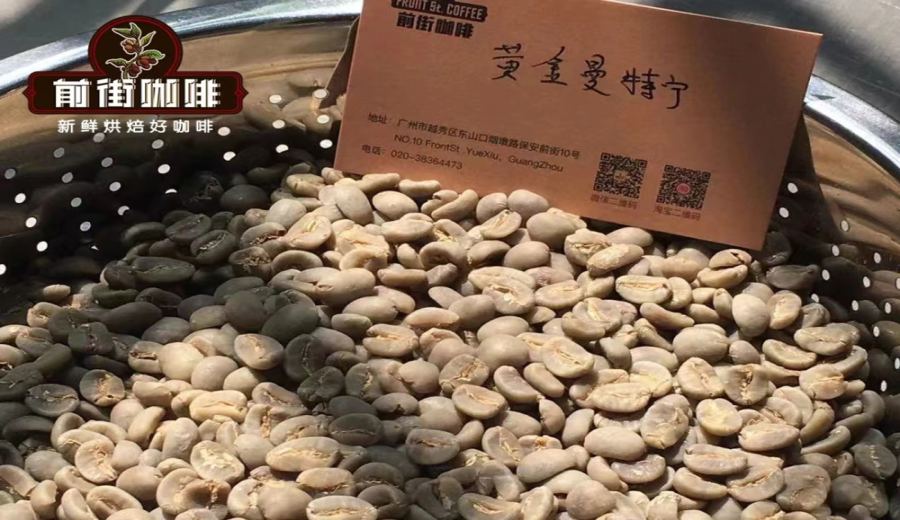
Introduction:Golden Mandheling is renowned for its rich, full-bodied flavor and enchanting notes of chocolate and nuts, but brewing it to achieve satisfying results isn’t easy. This article delves into how to adjust the coffee-to-water ratio, water temperature, grind size, and pouring technique to avoid common issues like over-extraction bitterness or wateriness, guiding you step-by-step to extract a clean, sweet, and layered Golden Mandheling. It's a practical guide for fans of Sumatran coffee or beginners exploring pour over brewing.
Among the many Indonesian coffees, Mandheling has always been an iconic presence. Its intense notes of chocolate and nuts, paired with a heavy body, leave a lasting impression. Among them, Golden Mandheling stands out even more due to its carefully selected quality and unique flavor profile, becoming a favorite among many coffee enthusiasts. However, the key to brewing a balanced, representative cup of Golden Mandheling at home via pour over lies in mastering the details of the coffee-to-water ratio, water temperature, grind size, and brewing steps.
The Origin and Story Behind Golden Mandheling
The name “Mandheling” actually originates from the Mandailing ethnic group in Indonesia, a result of a wartime misunderstanding that led to an interesting piece of history. During World War II, a Japanese soldier drank a fragrant coffee in an Indonesian café and asked the owner what kind of coffee it was. The owner, however, misunderstood the question as referring to his place of origin, and answered “Mandheling.” After the war, this soldier specifically imported 15 tons of coffee from Indonesia to Japan, where it became extremely popular, and the name “Mandheling” thus spread.
As for “Golden Mandheling,” it is a trademark registered by the Indonesian company P.W.N. (N.V. Pawani Medan), not a name indicating the coffee’s origin or grade. Since its establishment in 1957, this company has been a major exporter of coffee and spices from Indonesia, and also played a crucial role in successfully promoting “Mandheling” coffee to the Japanese market. Starting in 1977, PWN has focused on exporting high-quality Sumatran Arabica coffee. Their Golden Mandheling is carefully selected, even more refined than regular Mandheling, and is highly favored in the Japanese, Taiwanese, and Western markets.
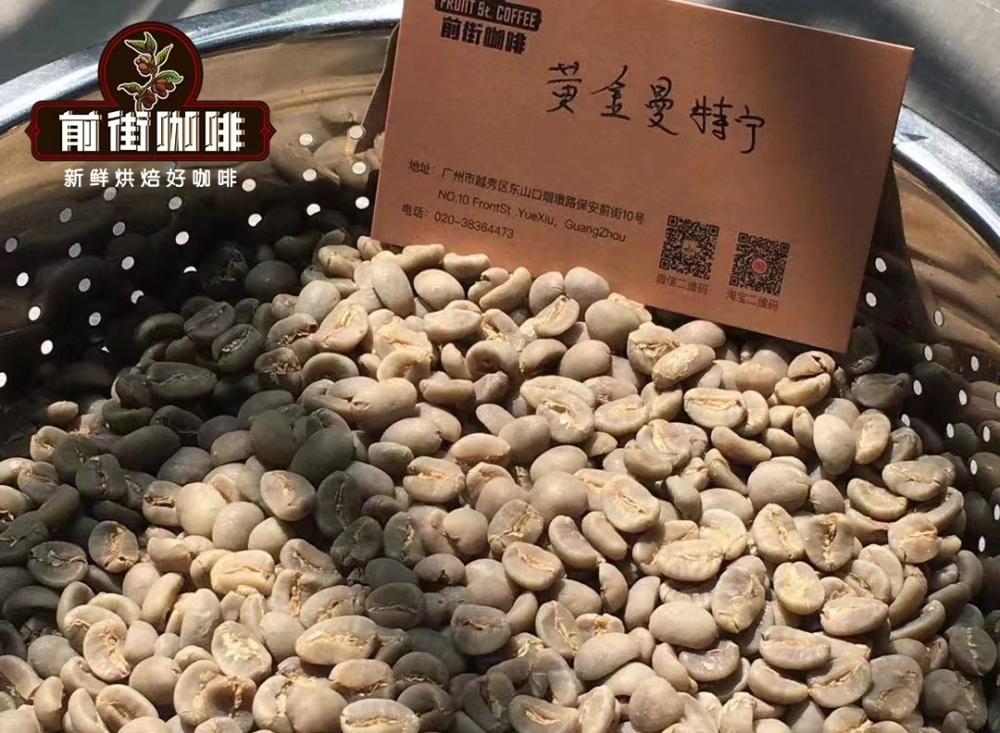
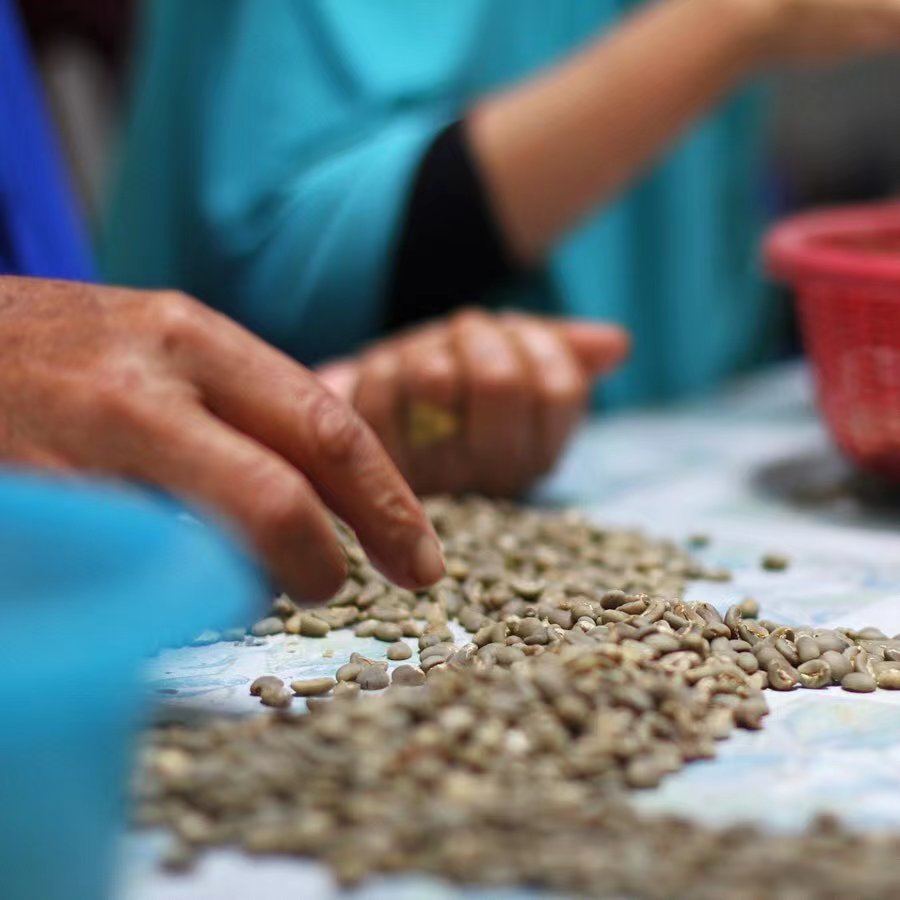
It’s worth noting that “Golden Mandheling” is a proprietary trademark of the PWN company. If you see products labeled as Golden Mandheling without any PWN certification or source information, you should be extra cautious when purchasing. Authentic Golden Mandheling from PWN mostly comes from the Gayo Mountains in northern Sumatra, graded as G1, and has undergone multiple hand-sortings with very plump beans and an extremely low defect rate. It offers a very clean and rich taste, along with noticeable sweetness.
Flavor Characteristics of Golden Mandheling
The flavor profile of Golden Mandheling typically includes intense notes of chocolate, nuts, and caramel sweetness, along with unique herbal undertones and a faint earthy aroma. Compared to regular Mandheling, its flavors are more concentrated and balanced, with a gentle acidity that doesn’t overpower, a full body that isn’t heavy, making it a standout among Sumatran coffees.
Key Parameters and Techniques for Brewing Golden Mandheling
To brew a delicious cup of Golden Mandheling, you need to consider various factors such as equipment, coffee-to-water ratio, water temperature, grind size, and pouring method. Below are practical pour over recommendations and step-by-step instructions:
1. Filter Cup Choice and Coffee Dose
It’s recommended to use a filter cup like the Kono, which features a design with ribs in the middle and bottom sections. The smooth walls of the upper part help reduce bypass flow, contributing to enhanced extraction richness and a fuller mouthfeel. For coffee dose, 15 grams is a good benchmark, suitable for 1 to 2 servings and also an ideal range for most home pour over brewing.
2. Coffee-to-Water Ratio and Grind Size
The recommended coffee-to-water ratio is1:15, which strikes a good balance between richness and smooth drinkability, avoiding excessive intensity that might cause discomfort. As for grind size, it’s advised to use a medium-coarse grind that allows about 70%to pass through aNo. 20 sieve — slightly coarser than typical light roast coffee. Since Golden Mandheling is usually dark roasted, the bean structure is looser. Grinding too fine can lead to over-extraction and produce bitter, burnt notes; grinding too coarse may under-extract, resulting in a thin and dull flavor.
3. Water Temperature Control
The recommended water temperature is set between87-88°C. Water that’s too hot can bring out pronounced bitterness and a burnt sensation, while water that’s too cool may make the acidity overly sharp or result in a flat, uninspired cup lacking the desired sweetness and body.
4. Three-Stage Pouring Technique
Using a three-stage pouring method helps control the extraction rhythm and highlights the layered and sweet characteristics of Golden Mandheling. The specific steps are as follows:
• First Stage: Bloom, pour30mlof water to wet all coffee grounds and promote degassing, for about 30 seconds.
• Second Stage: Pour100mlof water, gradually expanding the extraction area.
• Third Stage: Pour95mlof water to further enhance sweetness and overall flavor completeness.
This segmented pouring approach ensures even extraction, avoiding localized over- or under-extraction, resulting in a final cup that is rich and full-bodied with sweet caramel notes, while retaining the classic chocolate and nut tones of Sumatran coffee.
Summary: Brewing the Ideal Cup of Golden Mandheling
Brewing Golden Mandheling is an art that values detail. From selecting the right filter cup and coffee dose, to precisely controlling the coffee-to-water ratio, water temperature, and grind size, to applying the scientific three-stage pouring method, each step influences the final cup’s flavor. By mastering the above parameters and techniques, you can easily brew a cup of Golden Mandheling at home that boasts a rich body, captivating sweetness, and the classic chocolate and nut flavors of Sumatra — enjoying this premium coffee from the highlands of Indonesia.
The above content is compiled by CoffeeHunters, a coffee news website.


