







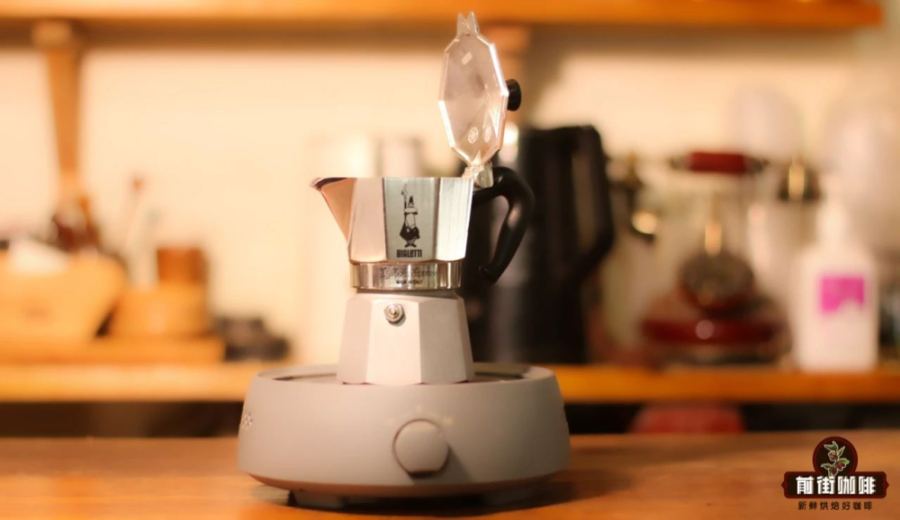
Introduction:If you want to brew rich, espresso-like coffee at home, the Moka pot is the go-to choice for many coffee enthusiasts. But do you know whether it’s better to brew with the lid open or closed? This article will walk you through the correct usage of the Bialetti Moka pot, including water level, grind size, heat control, and the optimal time to turn off the heat. We’ll also recommend two practical blends tailored to different flavor preferences. Whether you’re a beginner or an experienced user, you’ll learn the key techniques for a stable extraction.
The Moka pot was invented in 1933 by Italian designer Alfonso Bialetti. It uses steam pressure generated from the heated base to push hot water through a bed of coffee grounds, extracting a strong coffee beverage. This simple yet efficient brewing method has made the Moka pot one of the most common coffee tools in Italian households.
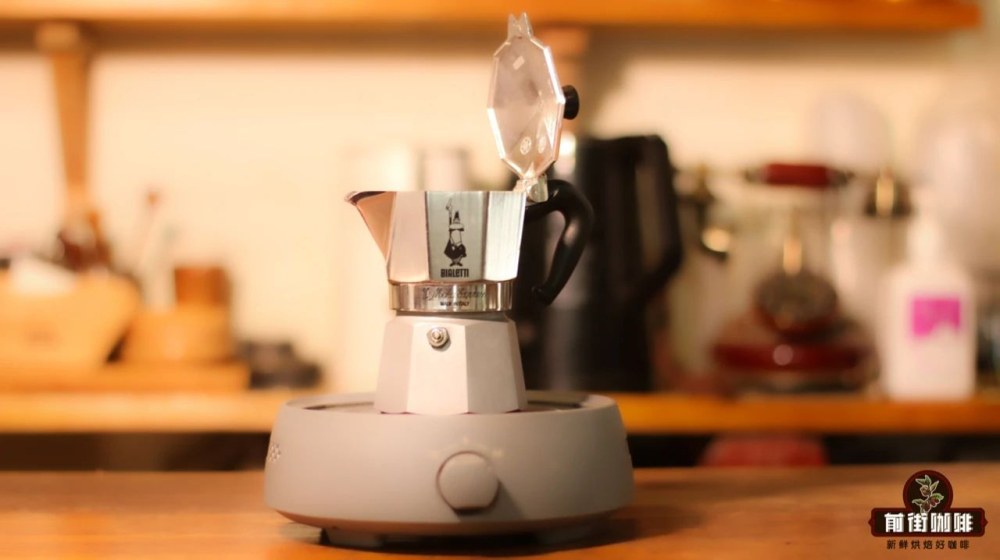
A common question when using a Moka pot is: should you brew with the lid open or closed? In reality, it’s recommended to occasionally open the top chamber during brewing to observe the flow of coffee, especially for beginners, as this helps monitor the extraction time. However, for standard operation, you can keep the lid closed throughout to maintain more stable pressure inside the pot, resulting in a richer coffee with Crema.
Choosing the right coffee beans is crucial for a well-balanced Moka pot brew. Since the extraction pressure of a Moka pot is not as high as that of a professional semi-automatic espresso machine but higher than drip methods, it’s advisable to use medium to dark roasted beans to achieve a rich flavor and aroma. If you enjoy coffee with notes of nuts, butter, chocolate, and caramel layers, a classic Italian blend is a great choice—these beans typically showcase a bold and full-bodied base flavor. For those who prefer a brighter, fruitier profile with a hint of acidity, a strawberry sugar-flavored blend is an excellent option. This blend combines beans from Costa Rica, Colombia, and Ethiopia, including the unique Geisha variety, delivering sweet aromas reminiscent of grapes and strawberry gummies, with a balanced acidity and smooth mouthfeel.
Next, we’ll break down the Moka pot brewing process step by step. Master these six steps, and you’ll be able to consistently brew rich coffee at home:
First, fill the lower chamber of the Moka pot with clean water. Be careful not to exceed the level about 0.5 cm below the safety valve to prevent water from entering the brewing system, which could affect the flavor and increase the risk of overheating.
Next is the grind. Use a slightly coarser grind than what you’d typically use for espresso—about the same size as the gaps in the filter basket. This helps avoid too many fine particles entering the lower chamber, which can lead to over-extraction or clogging. After adding the coffee grounds to the basket, gently tamp them down and use a distribution technique to level the surface. Forming a small mound helps ensure even extraction later on. A fully filled basket not only improves extraction efficiency but also allows for more uniform coffee distribution, reducing the chances of uneven extraction and resulting in a more balanced taste.
Place the filled coffee basket into the lower chamber, then screw the upper and lower chambers together tightly. It’s recommended to use an electric stove or gas burner for heating, starting with high heat to quickly raise the temperature.
When you hear a distinct “wuu wuu” sound from the Moka pot, it means sufficient steam pressure has built up inside. At this point, it’s best to reduce the heat and optionally open the top chamber to observe the flow of coffee.
Once about half of the coffee has flowed into the upper chamber, you can turn off the heat. The remaining heat and residual pressure inside the pot will continue to push the rest of the coffee upward, helping to avoid over-extraction while preserving the flavor integrity.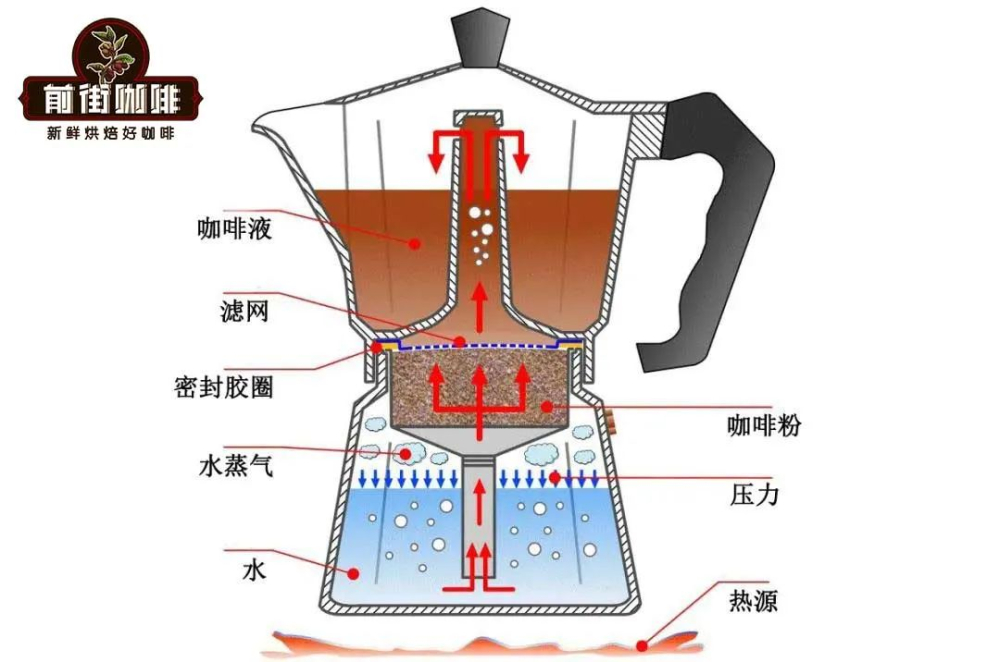
Finally, once all the coffee has entered the upper chamber, you can pour and enjoy. This method produces a strong coffee often with delicate Crema, similar in taste to espresso. You can also adjust the strength and flavor to your liking by adding water or milk.
Here are several important tips to keep in mind when using a Moka pot: First, always keep the water level in the lower chamber below the safety valve; too high a level may cause water to enter the coffee grounds directly, disrupting the extraction balance. Second, the Moka pot becomes extremely hot during use, so always handle it with care using heat-resistant tools. Third, if you notice the coffee spurting out violently, it’s usually due to excessively high water temperature or heat; if the flow is too slow, the water may not be hot enough, and you should adjust the heat accordingly. Lastly, because the Moka pot operates under pressure, always pay close attention to heat control and safety to avoid accidents caused by excessive pressure.
The above content is compiled by CoffeeHunters, a coffee news website.


