







Introduction:The two most common coffee varieties in the market—Arabica and Robusta—each possess distinctly different flavor profiles and suitable use cases. This article delves into the differences between the two in terms of origin, flavor profile, caffeine content, and growing conditions. It also highlights classic varieties such as Typica, Geisha, Red Bourbon, Caturra, and Ethiopian Heirloom, taking you through everything from the flavor wheel to roasting suggestions. Whether you’re a pour over beginner or looking for a daily drinker, you’ll find the right choice here.
The global coffee market is diverse, but when it comes to the two most mainstream varieties, they are none other than Arabica and Robusta. The former, with its elegant and delicate aroma and bright acidity, dominates the specialty coffee scene; the latter, with its strong bitterness and high resilience, is the mainstay of instant coffee and commercial blends. If you're looking for coffee beans suitable for pour over or want to understand the characteristics of different varieties, the following content will help you clarify the differences between these two types and recommend several representative classic varieties.
Simply put, Arabica accounts for about 70% to 75% of global coffee production. It is a small-seeded variety, mostly grown at high altitudes where the climate is cool and the day-night temperature difference is large, which helps accumulate flavor compounds. As a result, it usually features rich fruit acidity, floral notes, and sweetness. In contrast, Robusta is a medium-seeded variety, originally from the Congo in Africa, with strong resistance to pests and diseases, suited to high temperatures and low altitudes. However, its flavor is generally more intense, with noticeable bitterness, often accompanied by nutty and grainy tones, and it has a higher caffeine content than Arabica. Therefore, it is commonly used in instant coffee, canned coffee, or espresso blends.
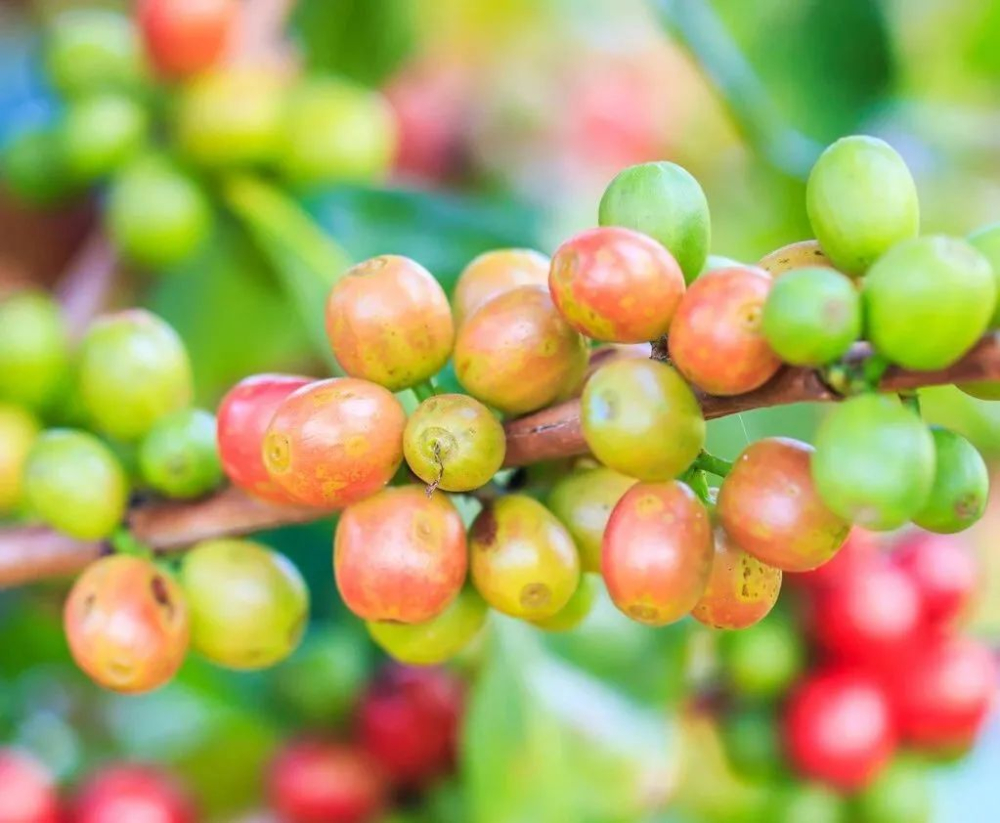
Many consumers often hear that “single-origin coffee is mostly Arabica” when they first purchase coffee beans. In fact, about 98% of the pour over single-origin coffees offered by specialty coffee shops come from the Arabica variety—the reason is simple: its more delicate and varied flavor expression. This type of coffee is not only gentle on the palate with noticeable sweetness, but also often features layers of citrus, berries, and floral notes. Compared to the direct bitterness and heaviness of Robusta, it is more likely to win the favor of coffee enthusiasts.
From a biochemical perspective, the caffeine content of Arabica is around 0.9% to 1.2%, lower than Robusta’s 1.7% to 2.7%. Additionally, Arabica has higher fat and sugar content, which allows it to release a richer array of aromatic molecules after roasting, presenting a soft balance of acidity and sweetness. Robusta, on the other hand, is rich in chlorogenic acids, has high caffeine content and more coarse tannins, which can easily bring a strong astringency and herbaceous, grassy aromas. Some batches may even exhibit earthy flavors, which is one of the reasons why it is generally rated lower than Arabica.
However, this does not mean Robusta is without value. In fact, high-quality Robusta can also exhibit surprising body and clarity. For example, India’s “Coffee Royale” Robusta, through strictly controlled cultivation and processing, can present a rich yet clear flavor profile, suitable for use as an espresso base or in bold-flavored blends.
Why has Arabica become the protagonist of specialty coffee? The answer lies in its diverse variety evolution and exceptional expression of terroir. From the ancient Typica to the contemporary Geisha, the Arabica family boasts thousands of variety variations, each displaying unique flavor personalities due to differences in climate, altitude, processing methods, and microclimates. Below, we’ll introduce several of the most representative Arabica varieties to help you build a systematic understanding of coffee flavors.
First up is Typica from Jamaica, one of the oldest native varieties from Ethiopia, discovered around the 15th to 16th centuries. Typica trees are tall, with leaves that have copper-colored tips, and the coffee beans are slender and pointed at both ends, resembling an egg. Its flavor is known for clean citrus acidity and soft sweetness, often described as “elegant and balanced.” However, due to low yield and susceptibility to leaf rust, it has gradually been replaced by other disease-resistant varieties. It’s worth mentioning that Typica was introduced to the Blue Mountains of Jamaica in the 18th century. After long-term adaptation, it evolved a high tolerance to the island’s maritime climate, particularly excelling in resistance to coffee berry disease. Some shops use medium-depth roasting for Blue Mountain Typica to highlight its chocolate and nutty aroma as the main focus, while retaining soft acidity and sweetness, delivering an overall very balanced performance.
Next is Panama Geisha, beloved by pour over enthusiasts. Also originating from Ethiopia, it is one of the descendant varieties of Typica. Geisha is extremely picky about its growing environment, requiring high altitudes, cloud-shaded conditions, and fertile soil, hence its scarce production. Its greatest feature is its explosive aromatic expression, often featuring floral notes like rose and jasmine, along with layers of citrus, berries, and honey. Upon tasting, it presents bright acidity and a long, clean finish. Some shops offer Geisha from Hacienda La Esmeralda, categorized by processing and grade into Red Label, Green Label, and Volcanic Geisha. Among them, the Red Label Geisha is a benchmark sought after by specialty coffee lovers, with its delicate and captivating flavors, making it one of the top choices for pour over beginners.
Next is Brazil’s Red Bourbon, a natural mutation of Typica. The beans changed from their original slender shape to rounder ones, and it was first discovered on the island of Bourbon in Africa (now Réunion). Due to better resistance to leaf rust and a more rounded flavor profile, Bourbon gradually spread globally. Especially in Brazil’s high-altitude regions, Red Bourbon often exhibits rich nutty, chocolate, and caramel aromas, with soft acidity and a smooth mouthfeel, making it an ideal choice for many beginners. Some shops offer semi-washed Red Bourbon, which after medium-depth roasting, presents stable nutty tones and moderate sweetness, making it very suitable as a daily drinker and an excellent entry point to understanding Brazilian terroir.
Colombia’s Caturra is another mutation of Bourbon, discovered in Brazil in 1937 and later widely planted in Central America. Caturra trees are shorter, making harvesting easier. Though their disease resistance is average, they have a high fruit yield and are suitable for dense planting, performing well in yield. Its flavor focuses on bright acidity and fruity notes, and after medium-depth roasting, it often carries chocolate, nutty, and caramel undertones, making it a frequent contender in competition coffees. Some shops’ Colombian everyday beans use the Caturra variety, processed via washed method and medium-dark roast, showcasing clean and layered aromatic profiles, perfect for experiencing the classic flavors of Colombian coffee.
Finally, let’s talk about Ethiopia’s Heirloom. In Ethiopia, due to the abundance of wild coffee varieties and extremely high genetic diversity, many varieties have not been fully classified. As a result, they are locally referred to as “Heirloom,” meaning “treasures passed down through generations.” These varieties typically feature delicate floral, citrus, and berry flavors, and display varied personalities due to differences in microclimates across producing regions. For example, the Yirgacheffe Gedeo Cooperative’s fruit-forward lots, sun-dried red cherries, or Sidamo Huika are all representatives of Ethiopian Heirloom. They often exhibit bright acidity and tea-like qualities, light on the palate yet layered, and are considered classics among many specialty coffee enthusiasts.
In summary, Arabica and Robusta each have their unique market positioning and flavor characteristics. If you’re pursuing a pour over experience with balanced acidity and sweetness and delicate aromas, Arabica is undoubtedly the top choice. If you prefer strong bitterness and high caffeine, or need it in large quantities for commercial blends, Robusta also holds irreplaceable value. Whether you’re a beginner just starting out or a coffee connoisseur seeking specific flavor profiles, understanding the characteristics of these two varieties will help you find the cup that best suits your taste in the vast world of coffee.
The above content is compiled by CoffeeHunters, a coffee news website.


