







Introduction:Robusta beans are often considered suitable only for espresso blends, but what is their true flavor profile? This article uses deeply roasted Robusta from Vietnam as an example, analyzing its flavor characteristics, extraction parameters, and optimal drinking moments through hands-on pour over testing, and comparing it with Arabica. From grind size and water temperature control to a three-step pouring process, we provide a complete practical guide and also explore the development trends of specialty-grade Robusta.
When it comes to Robusta coffee beans, many people’s first impression might be “commercial bean,” “affordable price,” or “rich crema.” However, few would associate this variety with single-origin pour over brewing. But is deeply roasted Robusta from Vietnam really only suitable for espresso, as the stereotype suggests? Through a real pour over experiment, this article takes you on a journey to discover the flavor layers that this often-overlooked coffee bean can offer.
What is Robusta? Key Differences from Arabica
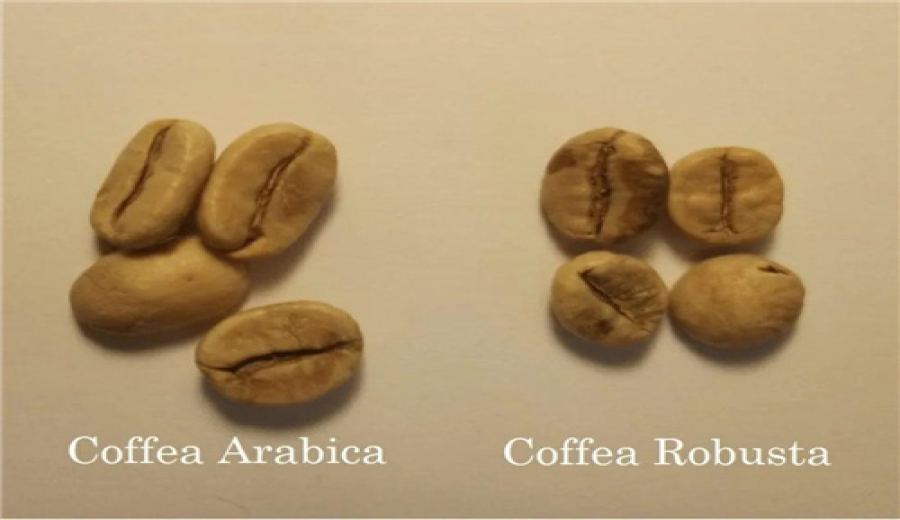
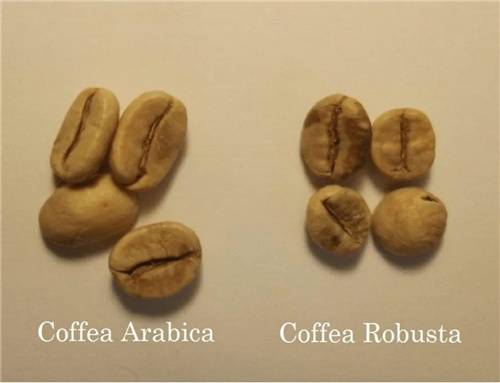
Robusta (commonly abbreviated as “Robusta beans”) is one of the two major mainstream coffee varieties in the world, alongside Arabica. Its most distinctive feature isa straight central line, whereas Arabica beans are mostly curved. The advantage of Robusta lies in itshigh caffeine content and strong disease resistance, which allows it to be grown at lower altitudes (typically below 800 meters) and yields higher production compared to Arabica. Additionally, it has a richer body and more abundant crema, which is why it is often a key player in espresso blends—contributing to a deeper flavor and better crema performance in espresso.
However, in the pour over or specialty coffee community, Robusta is rarely favored, mainly because its flavor profile is often described as “grainy,” “herbal notes prominent,” and even “earthy” or “rubbery,” especially in commercial-grade Robusta grown at mid-to-low altitudes. That said, with the gradual infiltration of specialty coffee concepts, some regions have begun experimenting with high-altitude cultivation and refined processing methods to produce “specialty-grade Robusta,” and the flavor performance has improved noticeably.
Pour Over Experiment: Flavor Profile of Deep-Roasted Vietnamese Robusta
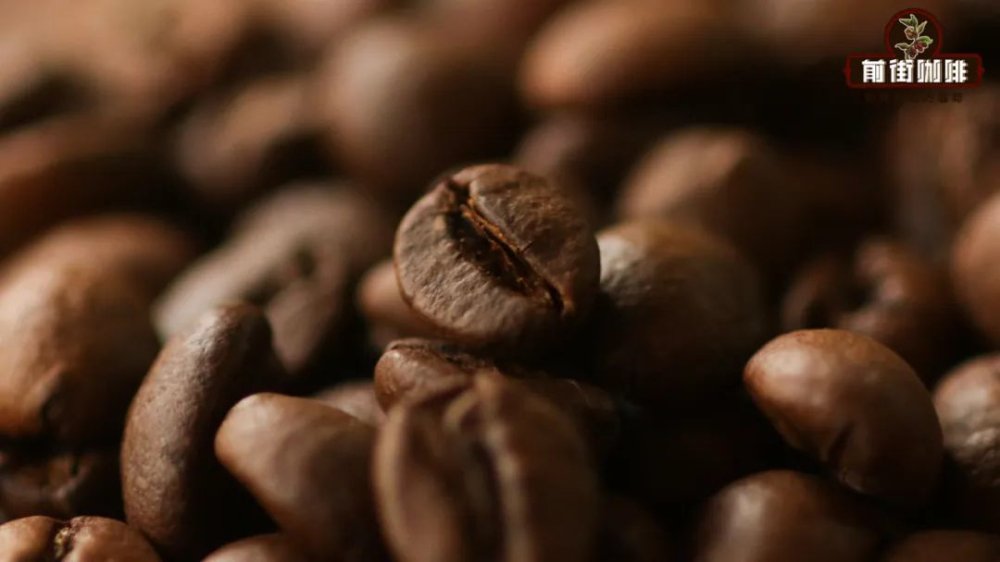
This test used deeply roasted Robusta beans from a Vietnamese origin, aiming to simulate the commercial bean flavor that general consumers might encounter, and to explore its potential through pour over brewing. Equipment used included a Kono filter cone, 15g of coffee grounds, with the ek43 grinder set to grind size 11 (approximately 70% passing through a #20 sieve), a 1:15 coffee-to-water ratio, water temperature controlled at 88°C, and using the classic three-step pouring method.
The specific pour over parameters and steps are as follows:
- Step 1: Bloom – Pour water equal to twice the weight of the coffee grounds (about 30ml), for about 30 seconds, to allow the coffee grounds to fully expand and release aroma;
- Step 2: Middle Section Pour – Using a small stream in wide circular motion, pour 120ml of hot water to steadily release flavors;
- Step 3: Final Section Pour – Finally, pour the remaining 75ml of water using a larger stream in a tight circular motion at the center of the filter cone to ensure full extraction;
- Total extraction time depends on dripping speed, generally ranging between 2 minutes 30 seconds and 3 minutes.
During the brewing process, distincthazelnut and caramel aromascan be detected, dispersing rapidly, quickly filling the shop with a sweet ambiance. The flavors on the palate are dominated bycaramel and grains, with a barley tea-like tone. The overall mouthfeel is quite rich, with bitterness reasonably well-controlled, and the initial taste surprisingly smooth.
However, as the coffee cools, the flavor shifts. The graininess becomes more pronounced, accompanied byrubbery and earthy off-notes, cleanliness declines, and the aftertaste carries a noticeable bitterness and astringency, making the overall experience less smooth than when hot. This highlights the challenge Robusta faces in flavor stability, especially in commercial beans from low altitudes.
Why Isn’t Robusta Popular in the Pour Over Scene?
The main reason Robusta rarely appears on pour over or single-origin coffee recommendation lists is itsrelatively simple flavor profile, often accompanied by negative characteristics such as herbal, grainy, or earthy notes. In addition, itscaffeine and chlorogenic acid content are both higher than those of Arabica, and these two compounds amplify bitterness, leading to a heavier and more intense taste rather than a refined and layered one.
However, this does not mean Robusta has no value. In fact, its high body and rich crema make it an indispensable component in espresso blends, enhancing the structure and crema of espresso. Many entry-level or affordable espresso blends, such as “Brazil + Mandheling + Robusta” or “Colombia + Brazil + Robusta,” rely on Robusta to provide stable body and crema support.
The Rise of Specialty Robusta: A Promising Future?
In recent years, some regions have experimented withhigh-altitude cultivation and refined washed or honey processing methodsto create “specialty-grade Robusta.” These premium Robusta beans show significantly improved flavor profiles. Although still anchored by caramel, grains, and hazelnuts, they offer greater clarity, reduced impurities and negative flavors, and some reviews even suggest their potential rivals that of certain mid-to-low altitude Arabicas. However, such specialty Robusta is still produced in limited quantities and remains difficult to find in mainstream markets or cafés.
In summary, although Robusta remains a niche in the pour over single-origin scene, with the right roast level, precise extraction parameters, and an open-minded attitude toward flavor, its unique charm can still be discovered. If you’re a coffee enthusiast, why not try a pour over experiment with deeply roasted Robusta yourself—you might gain a whole new perspective on this often-underestimated variety.
The above content is compiled by CoffeeHunters, a coffee news website.


