







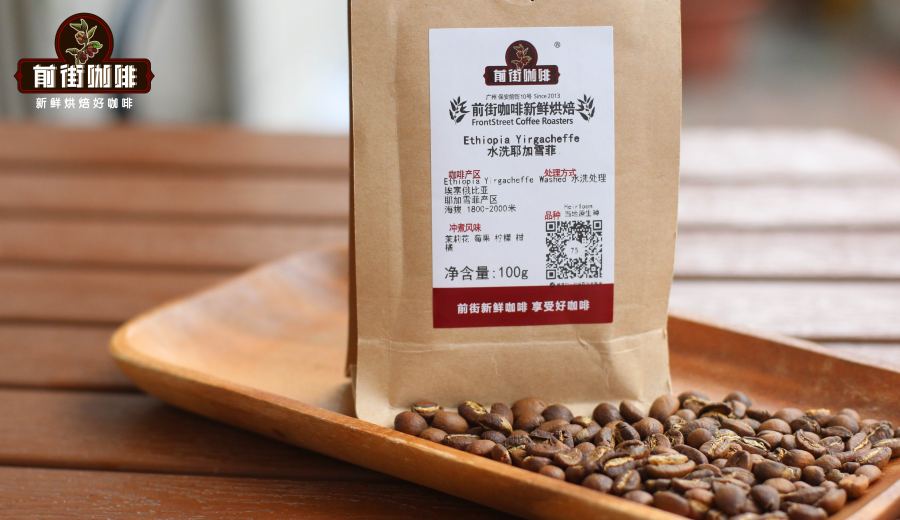
Introduction:Yirgacheffe is Ethiopia’s most iconic specialty coffee region, renowned for its distinctive bright acidity and floral-fruit aromas. This article delves into the region’s two most representative processing methods—natural and washed—analyzing their flavor differences, comparing the performance of Grade G1 beans in cupping and actual brewing, and offering practical parameter suggestions to help coffee enthusiasts make suitable choices based on their taste preferences.
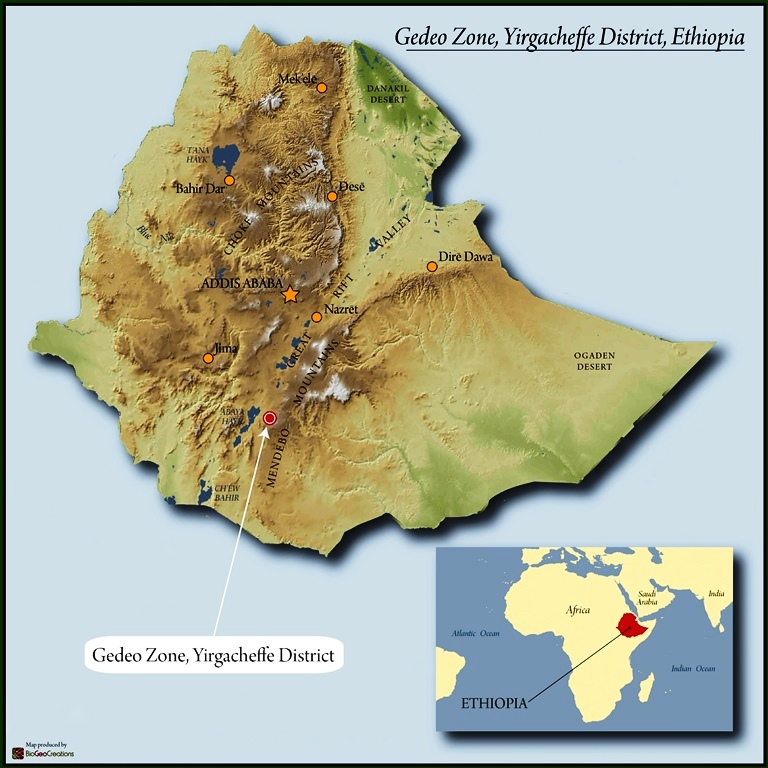
Yirgacheffe, a renowned coffee region located in the southern highlands of Ethiopia, was originally just a small sub-area of Sidamo. However, it stood out due to its unique bright fruit acidity and delicate floral notes, gradually developing into a holy grail for global specialty coffee enthusiasts. The coffee beans from this region, shaped by altitude, microclimates, and diverse processing methods, exhibit a rich and varied flavor profile, with natural and washed processing being the most representative.
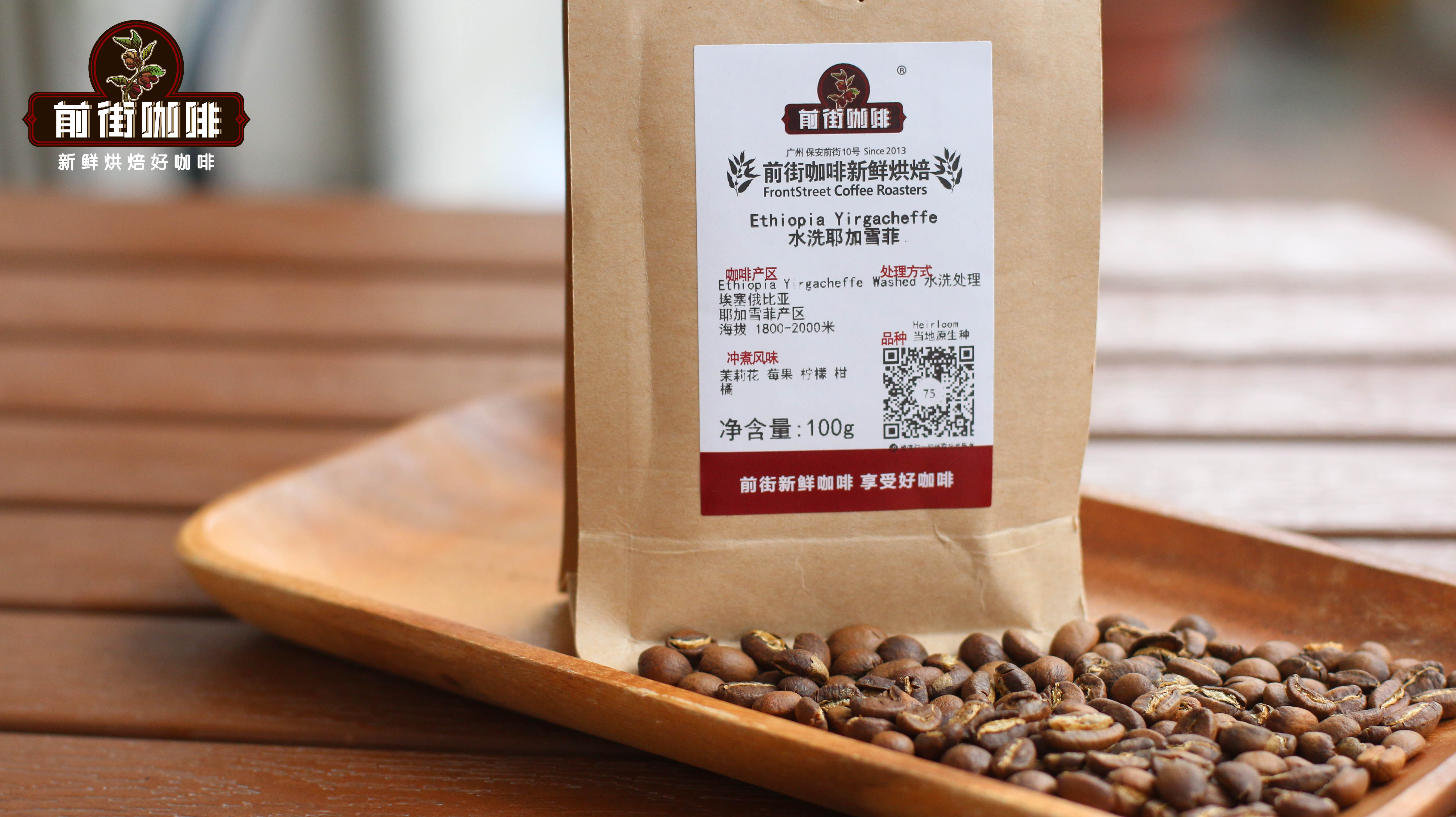
When we walk into a coffee shop or browse specialty coffee bean menus, beans from Yirgacheffe are often categorized as either "natural" or "washed." These two processing methods not only affect the coffee’s cleanliness and acidity but also directly shape its flavor direction. This article will start with the background of the region, further analyze the differences in washed and natural processing techniques, and use cupping data and brewing recommendations of actual beans to help readers better understand how to make choices based on personal taste.
Situated on the Ethiopian plateau with an average altitude of around 2,000 meters, Yirgacheffe enjoys a cool climate with significant day-night temperature variations. Such an environment helps coffee cherries ripen slowly, accumulating richer flavor compounds. In the early days, the region used traditional natural processing methods. Later, the introduction of washed techniques from Central and South America resulted in clearer and brighter acidity while retaining distinctive citrus and floral characteristics, gradually drawing international market attention.
Yirgacheffe encompasses several well-known micro-regions, such as Kochere, Guji, and Gedeb. Each area, due to differing microclimates and soil conditions, produces subtly distinct coffees even when using the same natural or washed methods. Additionally, the region is dominated by smallholder farms run by families, and this small-scale production model also helps maintain flavor diversity and uniqueness.
Among the many processing mills and cooperatives, the Banko Gotiti Cooperative is one of the most representative washed processing units. Located in the Wolkite area in the southeastern part of Yirgacheffe, it was originally part of the Wolkite Cooperative under the Yirgacheffe Coffee Farmers Cooperative Union (YCFCU) before becoming independent in 2012. Banko Gotiti is known for its traditional and meticulous washed processing techniques, while also retaining some natural processing, making it a top choice for coffee connoisseurs seeking delicate flavors.
The washed processing workflow at Banko Gotiti Cooperative is highly meticulous. First, the coffee cherries’ skin and pulp are mechanically removed. Then, the mucilage-covered parchment beans are placed in fermentation tanks for 18 to 36 hours of fermentation (the actual time is adjusted according to local temperature and humidity). After fermentation, the beans are thoroughly washed with clean water. The process utilizes a channel design to naturally eliminate lower-density defective beans, leaving only higher-quality parchment beans. These beans are then dried on African beds for about 14 days, during which temperature and turning frequency are strictly controlled to ensure even drying. Finally, after hulling, silver skin removal, color sorting, and density screening, the beans are packaged for export.
The G1 grade washed beans produced by this cooperative are grown at altitudes between 1,900 and 2,300 meters, with the variety being local landrace (Heirloom). In terms of flavor, they often exhibit pronounced berry and citrus notes, accompanied by honey-like sweetness and a smooth creamy texture. The overall mouthfeel is clean and layered, making them highly suitable for coffee lovers who enjoy bright and vibrant acidity.
When discussing coffee processing in Yirgacheffe, one initiative that cannot be overlooked is the Red Cherry Project. Launched in 2007 by the Dutch green coffee trader Trabocca, the project aimed to improve the quality of coffee from small-scale farms and break the vicious cycle of declining quality caused by price competition at the time. In the past, many coffee farmers sacrificed quality for quantity, resulting in subpar bean performance. Trabocca addressed this by offering higher purchase prices, encouraging farmers to harvest only fully ripe red cherries and handpick them meticulously, significantly enhancing the coffee’s potential flavor profile.
The execution criteria of the Red Cherry Project are extremely strict. In addition to requiring 100% red cherry harvesting, production must be in small batches (approximately 1,500–3,000 kilograms), and the selection process must be carried out by local women’s teams. The project covers multiple well-known regions, including Yirgacheffe, Sidamo, and the Pungu Forest, and experiments with different processing methods (such as natural, washed, and semi-washed) to fully showcase the flavor potential of each area.
Furthermore, Trabocca has invested in local infrastructure, such as providing sun-drying racks, shade nets, and generators, along with financial support and technical guidance to ensure every step from harvesting to processing meets high standards. Ultimately, through double cuppings in Ethiopia’s capital Addis Ababa and Amsterdam, Netherlands, only beans that achieve high scores are eligible for international auction markets, often selling for multiples—sometimes up to 20 times—higher than average market prices.
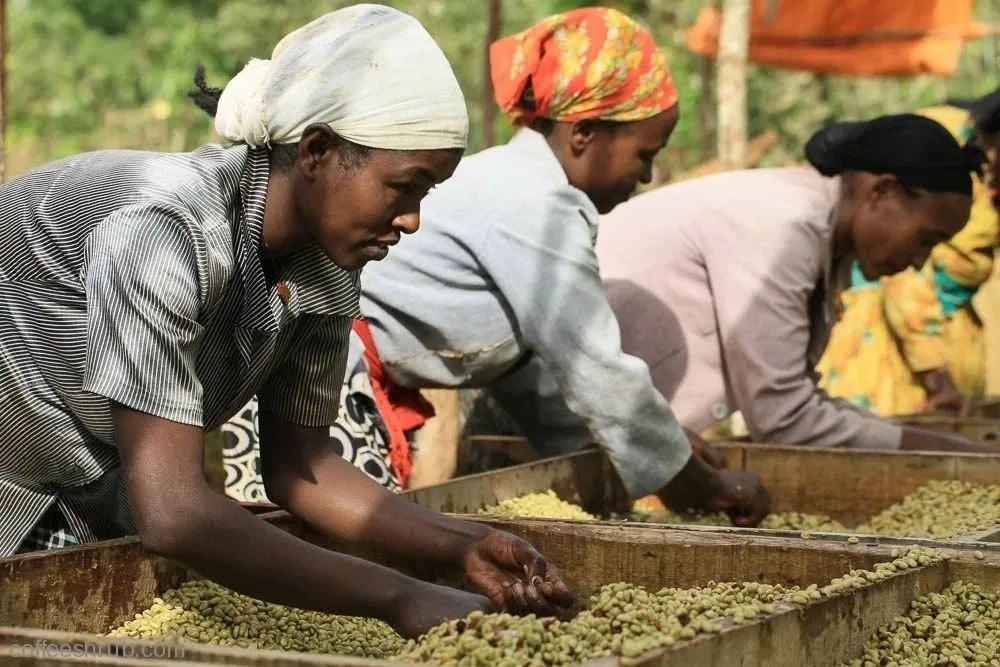
Among the many products of the Red Cherry Project, the Yirgacheffe Red Cherry coffee beans introduced by a certain coffee brand are a classic example. These beans come from the Aletre Farm and are processed using fully red cherry natural methods. Grown at an altitude close to 2,000 meters, the climate and soil nutrients provide an ideal environment for coffee fruit development. The green beans are plump with low defect rates, classified as Grade G1. After medium-light roasting, they emit intense berry and citrus aromas, with a noticeable sweetness upon entry and a lingering finish of caramel and black tea, making them a top choice for many pour over enthusiasts.
If we compare Yirgacheffe Red Cherry with another natural-processed bean from the same region, Konga Natural, both use natural processing, but due to differences in processing mills, their flavor profiles also vary. The Konga processing station is located at an altitude between 1,850 and 2,050 meters. Its natural beans, also Grade G1, showcase more exuberant berry and honey notes from the landrace coffee after full natural drying. The acidity is bright with a juice-like freshness, suitable for those who enjoy rich fruitiness and layered profiles.
For actual brewing, it is recommended to use a V60 #01 filter, with water temperature controlled at 90–91°C, a brew ratio of 1:15, and a grind size of medium-fine (about 80% passing through a Chinese standard No. 20 sieve). A specific three-stage extraction method can be applied: start with a 30-second bloom using 30 grams of water, then pour in a slow circular motion until reaching 125 grams for the first pour. After the water level drops, continue pouring to 225 grams, with a total extraction time of about 2 minutes. These parameters are suitable for most Yirgacheffe natural and washed beans, effectively highlighting their bright acidity and complex floral-fruit aromas.
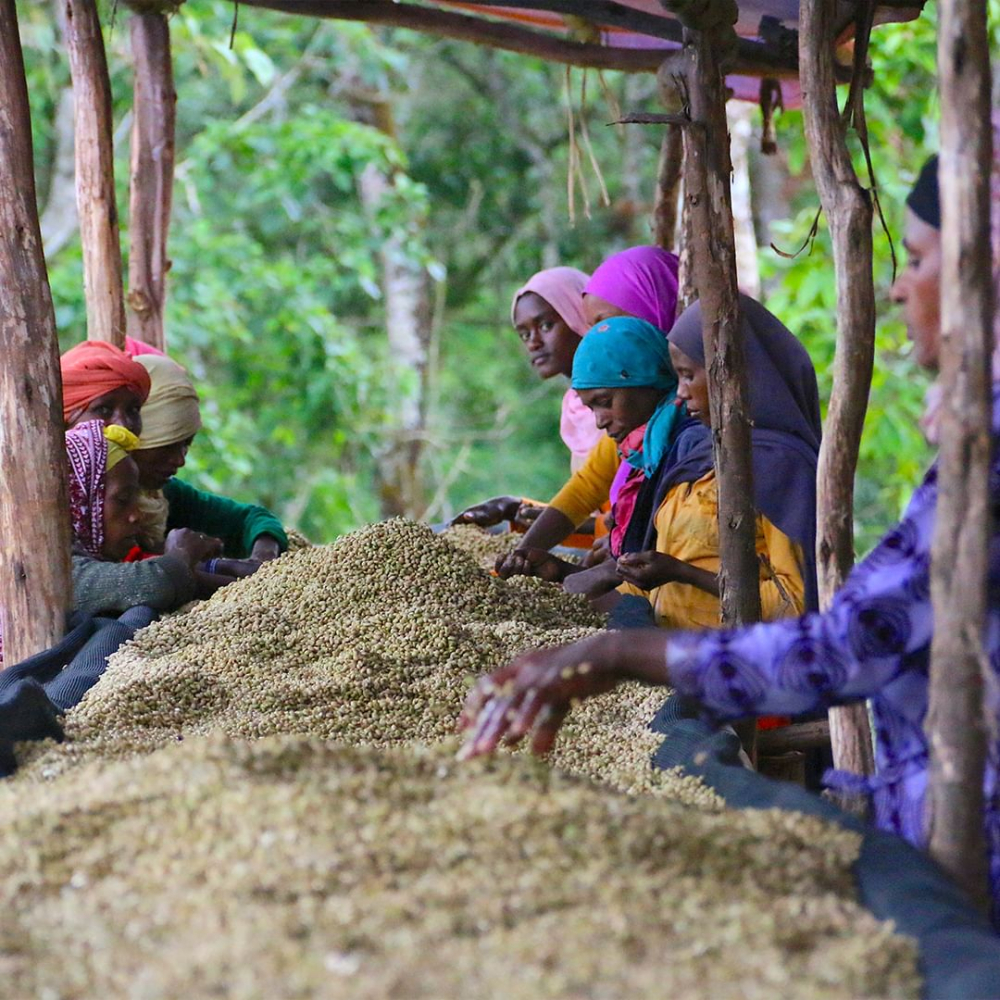
In summary, Yirgacheffe’s natural and washed processing methods each have their unique characteristics. The former typically showcases richer fruitiness, sweetness, and a fuller body, while the latter excels in clear acidity, clean flavors, and delicate layers. Regardless of your preferred style, understanding the differences in processing methods and actual cupping performances can help you find the Yirgacheffe coffee beans that best suit your taste.
The above content is compiled by CoffeeHunters, a coffee news website.


