








Introduction:This article delves deeply into two top-tier Red Label Geisha coffee beans from Panama’s La Esmeralda Estate, processed using both natural and washed methods, sourced from the Canas Verdes and Jaramillo plots respectively. From terroir characteristics, processing techniques, to cupping and pour-over brewing practices, it provides a comprehensive analysis of their differences in aroma profiles, acidity structures, and sweetness expressions, along with practical pour-over recommendations and parameter settings to help coffee enthusiasts find the Geisha flavor that best suits their palates.
Panama’s La Esmeralda Estate is a leader in the global specialty coffee scene, particularly renowned for its Geisha variety. Among its offerings, the Red Label Geisha represents the estate’s premium grade and has long been a focal point for coffee aficionados worldwide. This article spotlights two Red Label Geisha beans from different plots and processed differently—one naturally processed from the Canas Verdes plot and the other washed processed from the Jaramillo plot—taking you through an in-depth exploration from regional background and green bean characteristics to actual pour-over performance, capturing the unique charm of both in full detail.
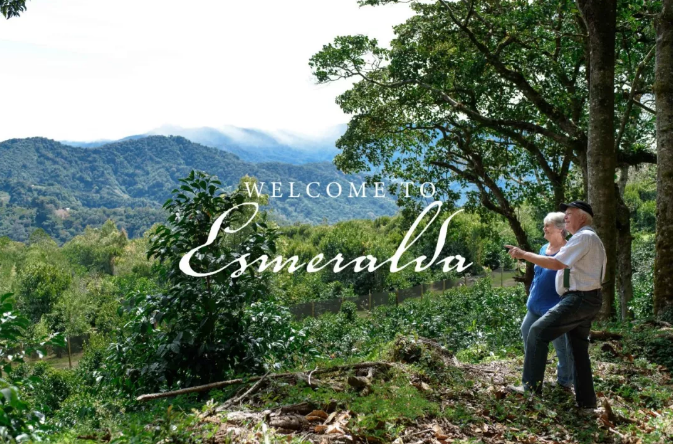
Established in 1964, La Esmeralda Estate has achieved remarkable success for over fifty years. In 2004, its Geisha variety made a stunning debut at the Best of Panama (BOP) competition, thereby establishing its leading position in the specialty coffee industry. The estate’s history dates back to 1940 when Swedish immigrant Hans Elliot consolidated scattered land holdings to found it. After multiple ownership changes and transformations, it was not until 1973, under the management of Price Peterson, that the brand structure gradually took shape. In 2012, the “Geisha” brand was officially launched, standing alongside its original three series.
Based on altitude, microclimate, and cupping results, La Esmeralda categorizes its Geisha beans into three grades: Red Label, Green Label, and Blue Label. The Red Label represents the estate’s top-tier auction lots, released only during its annual independent auction and sourced from specific high-quality small batches. The two Red Label Geisha beans compared in this article come from this select grade.
Though not part of the auction tier, the Green Label Geisha also comes from high-altitude micro-lots (1,600–1,800 meters), offering rich sweetness and clear fruit acidity. The Blue Label, on the other hand, is a blended washed batch with an average altitude of around 1,500 meters, mainly intended for everyday drinking, characterized by a relatively balanced and approachable profile.
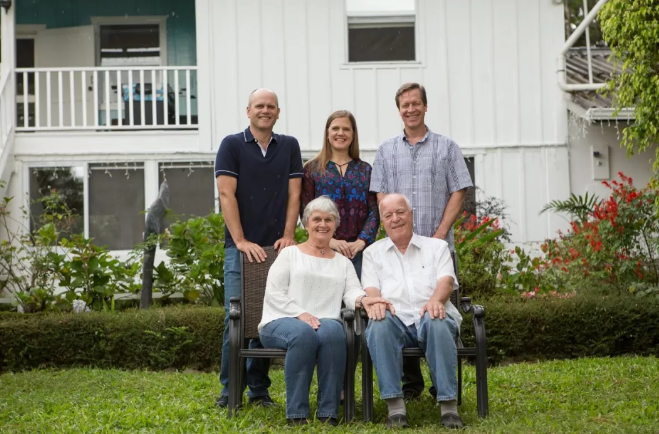
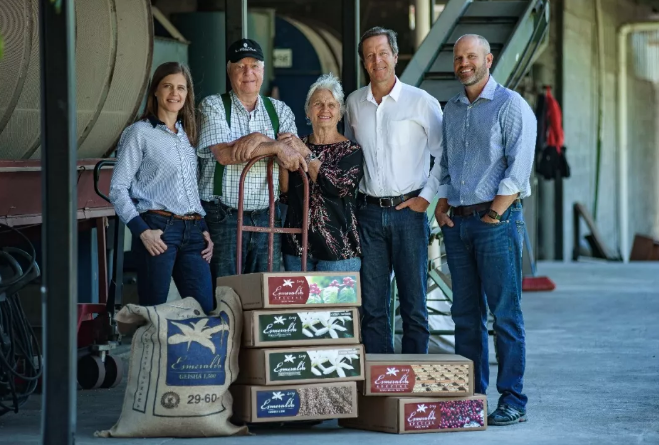
One of our protagonists—the natural Red Label Geisha—comes from the Canas Verdes plot. This area experiences three to four distinct dry seasons each year, with a cool climate and fresh air. Originally used for livestock grazing, it was later converted to coffee cultivation due to limited accessibility, gradually expanding in scale starting in 2004. Its unique altitude and microclimate conditions provide an ideal foundation for natural processing.
The other Red Label Geisha—the washed version—is selected from the prestigious Jaramillo plot, also known as the Jaramillo region. With an average altitude exceeding 1,650 meters, this is the birthplace of the 2004 BOP champion Geisha. The high altitude combined with the cool, moist mountain air endows the Geisha with rich aromatic potential and complex layers.
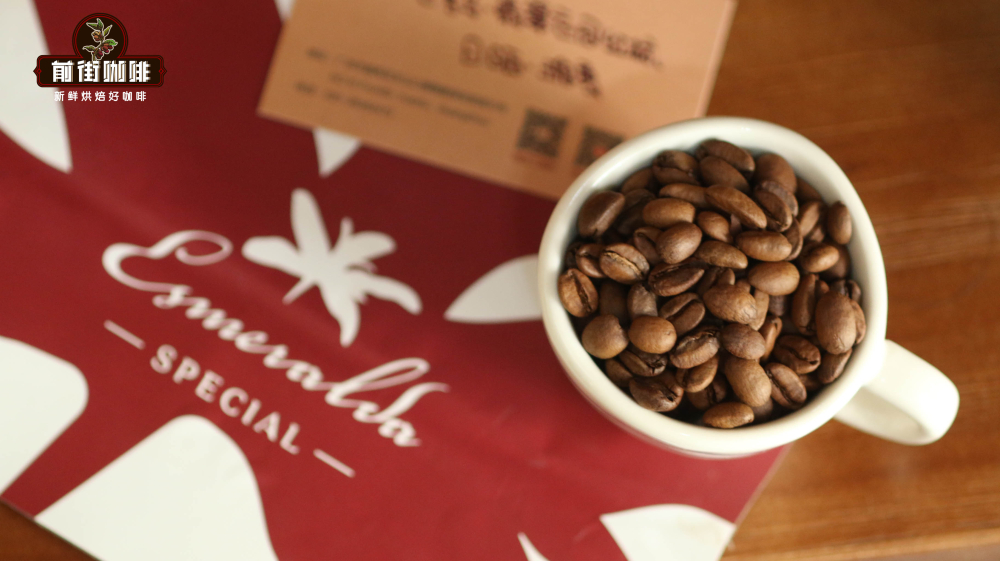
In terms of processing methods, the natural process emphasizes prolonged contact between the fruit pulp and seeds, bringing out intense tropical fruit and honey-like tonalities. The specific procedure involves spreading freshly harvested coffee cherries directly on patios to dry, usually for 3–5 days depending on weather, then transferring them to a mechanical dryer for 72 hours to ensure stable moisture content and avoid over-fermentation.
In contrast, the washed process focuses on cleanliness and clarity, highlighting bright acidity and delicate floral notes. The steps include removing floaters, stripping the skin and pulp, mechanically removing the mucilage layer, then allowing the beans to rest in a humid environment overnight before drying. This technique imparts a cleaner, more layered flavor profile to the washed Geisha.

Observing the green beans, both Geisha varieties exhibit the typical slender bean shape with pointed tips. The natural Red Label beans show a warm yellow-green hue with sweet aromas reminiscent of strawberries and grapes, while the washed Red Label appears as a refreshing blue-green with light grassy notes. These visual and aromatic characteristics often also hint at the subsequent cupping flavor profiles.
In cupping, the natural version presents intense notes of lemon, honey, berries, and citrus, complemented by a creamy, silky mouthfeel; the washed version leads with wild ginger lily and jasmine floral aromas, paired with citrus, grapefruit, and honey, finishing with a soft creamy aftertaste. Both showcase the unmistakable traits of high-quality Geisha, yet each excels in distinct aroma structures and flavor themes.
For the actual pour-over test, a Hario V60 filter was used, with water temperature controlled at 91–93°C, a brew ratio of 1:16, and grind size set to medium-fine (EK43s setting 10, approximately equivalent to 82% passing rate on a Chinese standard No. 20 sieve). A classic three-pour bloom and pulse pouring technique was applied: 32 grams of water for a 30-second bloom, followed by pouring to 125 grams for the first pulse, then continuing to 228 grams before finishing, with total extraction time around 1 minute and 52 seconds.
The pour-over results showed that the natural Red Label Geisha delivered a complex flavor profile of ripe fruit, black tea, and citrus, with sweet-and-sour notes as smooth as tea, and a lingering aftertaste of pronounced berry sweetness with good persistence; the washed Red Label opened with lime and citrus acidity, developed into delicate bergamot aromas mid-palate, and finished with a restrained green-tea-like sensation and a mellow sugarcane sweetness.
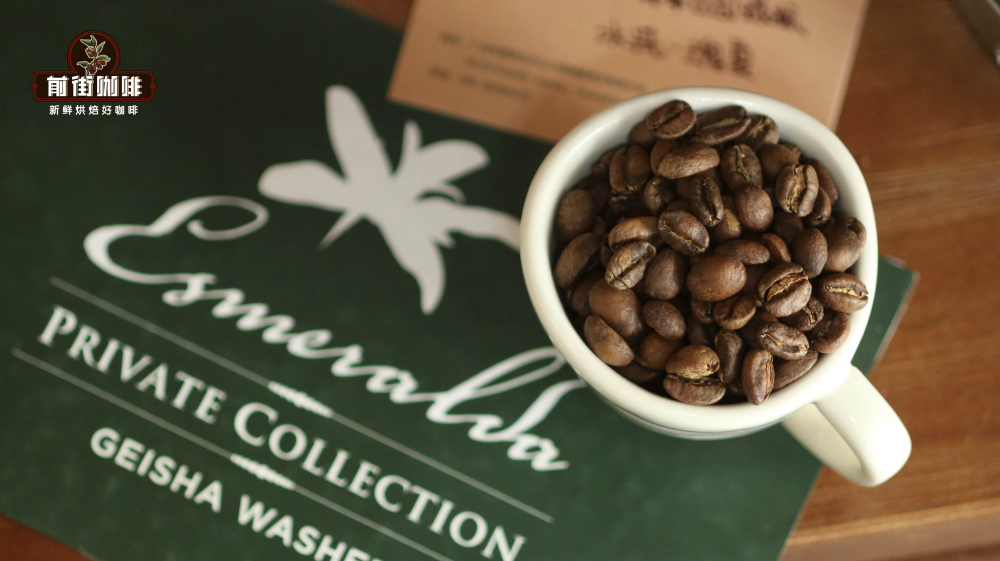
In summary, though both Red Label Geisha beans belong to the top tier, they exhibit distinctly different personalities due to variations in processing method and origin plot. The natural version boasts intense aromas, rich layers, and a fruit-tea-like flavor profile, with outstanding sweetness; the washed version highlights clean acidity and delicate floral notes, offering a crisp and tidy mouthfeel, ideal for coffee lovers who enjoy bright fruit acids and refreshing finishes. Whichever you choose, you’ll gain a profound appreciation for the extraordinary charm of Geisha from Panama’s La Esmeralda Estate.
The above content is compiled by CoffeeHunters, a coffee news website.


