








Introduction:The natural (sun-dried) processing method is one of the most traditional techniques in coffee bean production. Although it relies on stable weather conditions and the beans may not look as appealing, it can yield rich, intense fruitiness and unique sweetness. This article provides a detailed introduction to the steps of the natural process—from fruit selection and drying control to hulling and grading—and includes practical case studies to analyze its flavor profile. It also offers three pour-over brewing recipes tailored for classic natural-processed beans, helping coffee enthusiasts better appreciate the charm of this method.
The natural processing method, also known as the dry process, is the oldest among all coffee processing techniques. Its most distinctive feature is its simplicity—no complex machinery is required. With ample sunlight and regular turning, harvested coffee cherries can be gradually transformed into green beans ready for roasting. However, this method is highly sensitive to climatic conditions, typically requiring twenty-seven to thirty consecutive days of clear weather. Any prolonged rainy period can easily disrupt the drying process and compromise final quality.
The first step in the entire process isHarvesting and Selection. Coffee farmers first pick ripe red cherries from the trees, then manually remove overripe, underripe, moldy, or insect-damaged defective cherries to ensure only high-quality berries proceed to the next stage. This step has a critical impact on the purity of the final flavor.

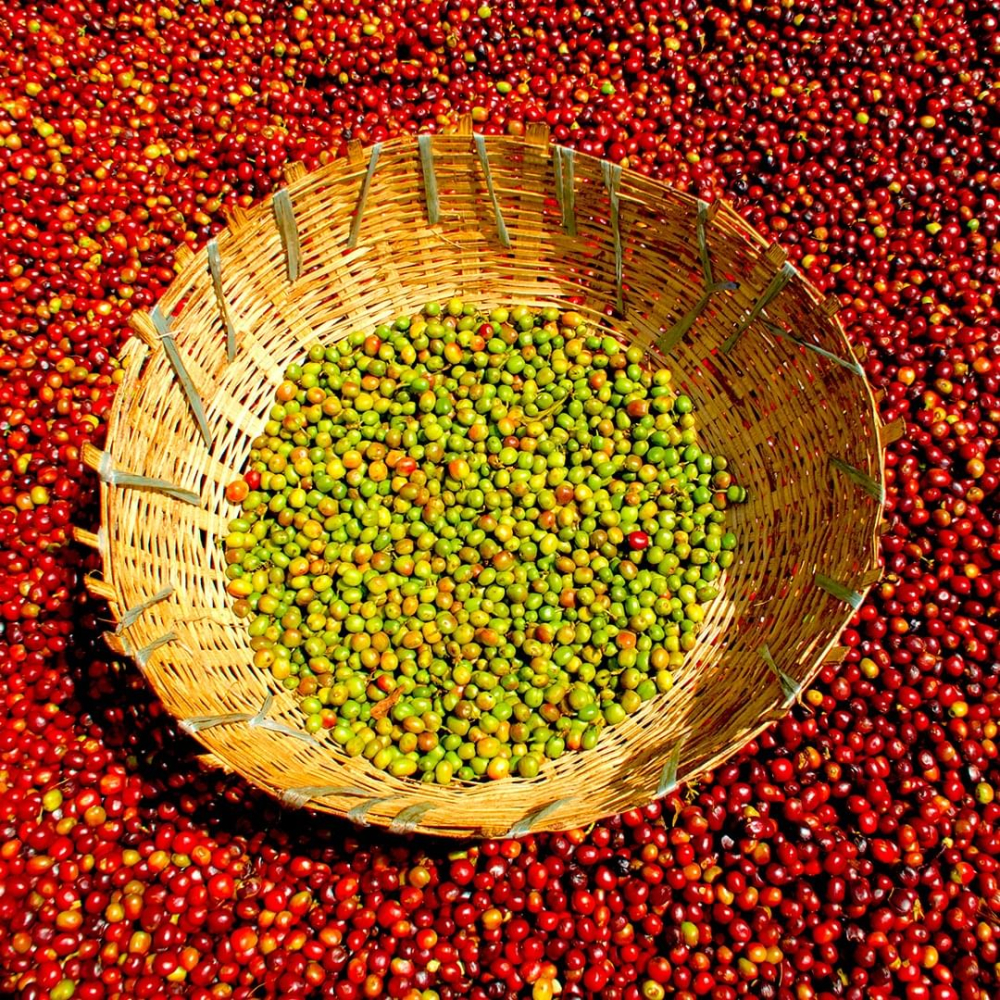
Next comes theDehydration and Dryingstage. The sorted coffee cherries, still in their parchment-covered form, are evenly spread out on raised beds, tarps, or concrete surfaces to be exposed to direct sunlight. This process generally takes three to four weeks, during which the cherries must be constantly turned to ensure even heat distribution and consistent drying. The goal is to reduce the overall moisture content from around 60% initially to11%approximately [a specific percentage not provided], meeting the standards for safe storage and subsequent processing.
Over-drying can cause the beans to crack or produce defective beans, while under-drying can lead to mold growth, affecting both flavor and shelf life. Additionally, excessive sun exposure may darken the beans’ appearance or cause irregularities, making natural beans often less visually appealing than washed beans in grading—but this doesn’t diminish the rich flavors within.
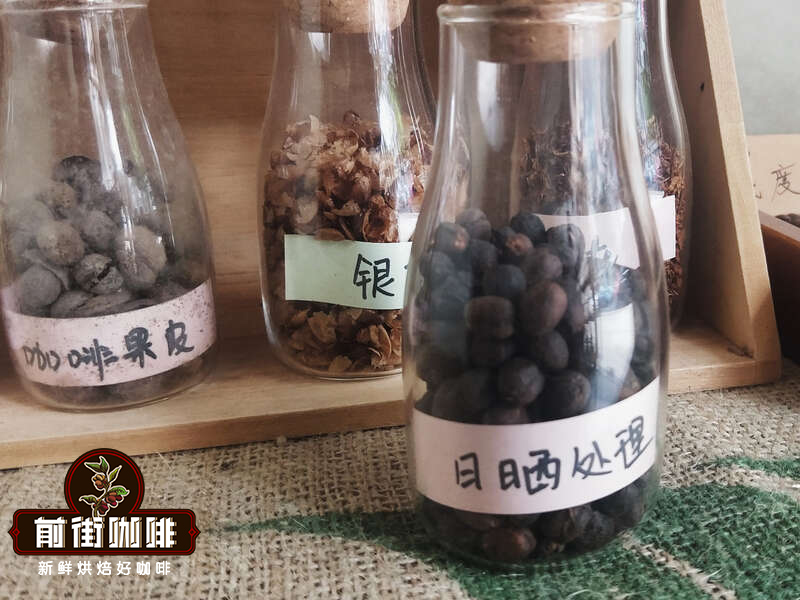
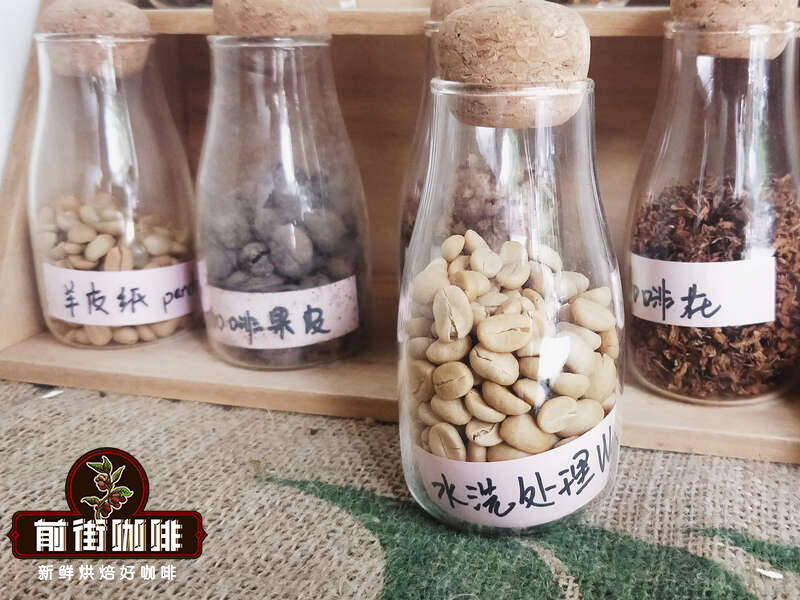
Once the target moisture content is reached, the coffee cherries are sent to a processing facility forHulling and Pulp Removal, which involves removing the outer fruit flesh, mucilage layer, and the parchment-like inner husk. Some processing facilities may also apply polishing to make the final green beans appear smoother and more refined. After this stage, we obtain the familiar coffee green beans.
The final step isGrading and Storage. The hulled green beans undergo another round of screening to remove those with obvious defects, such as broken, overly small, or irregularly shaped beans. This not only affects market value but also reflects the precision of the earlier drying and processing stages. Under-dried beans tend to be softer and may produce fines during hulling, while over-dried beans are prone to breakage—both of which are unfavorable for further refining and export.
In practice, coffee farms in high-altitude, low-rainfall regions such as Ethiopia commonly adopt the natural process, closely tied to their geographical and climatic conditions. Farmers there often spread harvested cherries on simple mesh racks, allowing them to slowly transform into fruit-forward green beans under abundant sunshine.
Below are brief descriptions of three common natural-processed coffee beans: the natural Yirgacheffe Aricha, the natural Panama Jensen Gesha, and the natural Brazil Queen Estate. Though differing in variety and origin, all three highlight intense fruitiness and unique sweetness through the natural process. Their appearance often features greenish-yellow hues, distinctly different from the common washed beans.
For actual pour-over testing, it is recommended to use a V60 dripper, with a brew ratio of 1:15, water temperature controlled at 90°C, and a grind size passing about 80% through a standard Chinese No. 20 sieve. Depending on the bean’s variety, altitude, and roast level, slight adjustments to grind size may be needed. It is advised to pre-screen with a sieve to ensure optimal extraction efficiency. The recommended grind sizes for these three beans are BG#5F (Yirgacheffe Aricha), BG#4G (Panama Jensen Gesha), and BG#5F (Brazil Queen Estate).
For pour-over brewing, a three-stage pouring method is suggested: start with a 30-second bloom using 30 grams of water to activate the coffee’s aroma; then pour in a circular motion with 125 grams of water for even extraction; finally, when the water level drops close to the coffee bed, add water up to 225 grams. The total brew time is about 2 minutes (including bloom time).
In terms of flavor, the natural Yirgacheffe Aricha showcases intense notes of ripe fruit, with a distinct fermentation layer and green grape flavors upon entry. As it cools, lemony acidity and a soft creamy texture emerge, with a lingering finish reminiscent of sweet grape juice.
The natural Panama Jensen Gesha excels in complexity, with a flavor profile that includes fresh fruit notes like maple syrup, lemon, citrus, and apple, alongside rose floral tones and dark chocolate aromas. These are interwoven with hints of pomegranate, ripe grapes, peaches, and dark berries, achieving a balanced and dynamic acidity-sweetness interplay.
As for the natural Brazil Queen Estate, its expression is more restrained and solid, built on a pronounced sweetness with subtle lemon notes and a strong nutty character. The finish clearly reveals the rich texture of dark chocolate, delivering a smooth mouthfeel and a long-lasting aftertaste.
The above content is compiled by CoffeeHunters, a coffee news website.


