







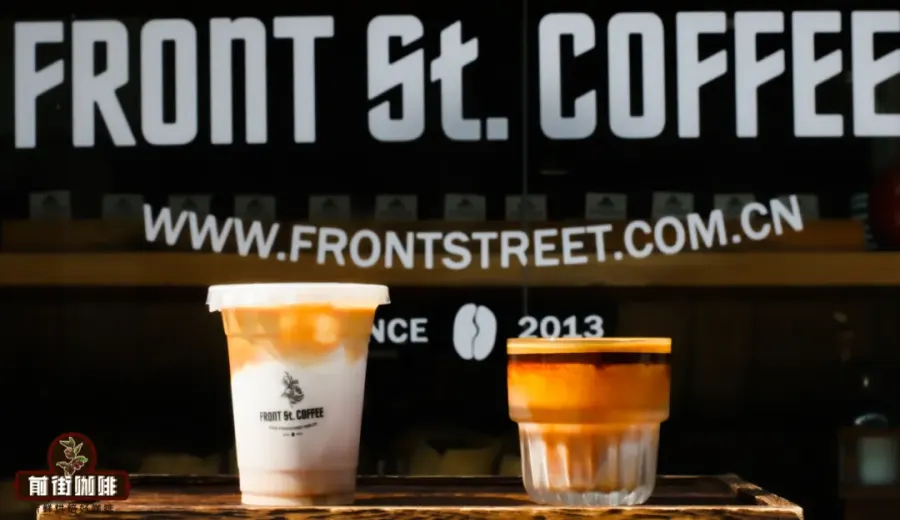
Introduction:Although both Dirty and iced latte use cold milk and espresso, they differ significantly in cup size, whether ice is added, layering techniques, and drinking methods. This article will delve into the core differences between the two, analyzing the hot-and-cold contrast of the Dirty and the balanced flavor of the iced latte. It also provides bean selection advice, layering principles, and practical drinking tips to help you better appreciate the unique charm of these two classic coffees.
Dirty and iced latte may seem similar at first glance—both are combinations of cold milk and espresso—but they differ greatly in the details. From cup size, whether ice is added, cup temperature, the purpose of layering, to the final drinking method, each has its own nuances. Dirty emphasizes the instant contrast between hot and cold and the interplay of layers, delivering a single sip that combines the boldness of espresso with the coolness of milk. In contrast, the iced latte is meant to be stirred well before enjoying its smooth, balanced flavor.
Many people mistakenly think that Dirty is just an iced latte without ice, but in reality, from preparation to drinking, Dirty involves more meticulous details. For example, the cup size of a Dirty is usually only 180–220ml, much smaller than the 280–320ml of an iced latte. This is because Dirty does not include ice cubes, in order to maintain the contrasting flavors between the espresso and milk. Additionally, Dirty places greater emphasis on using a pre-chilled cup to enhance the layering effect, making the contrast between milk and espresso more pronounced.
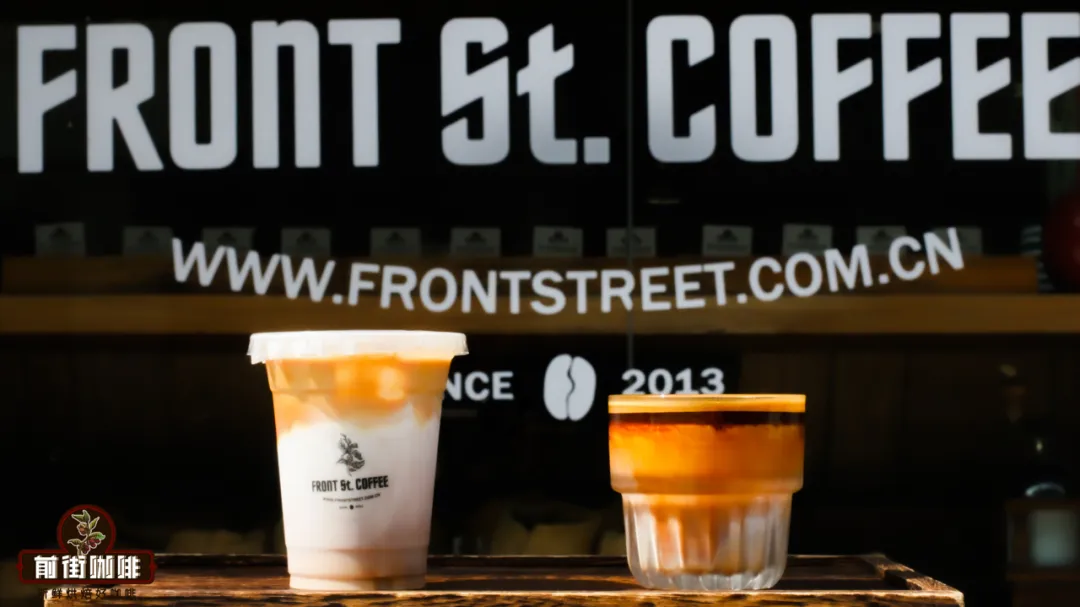
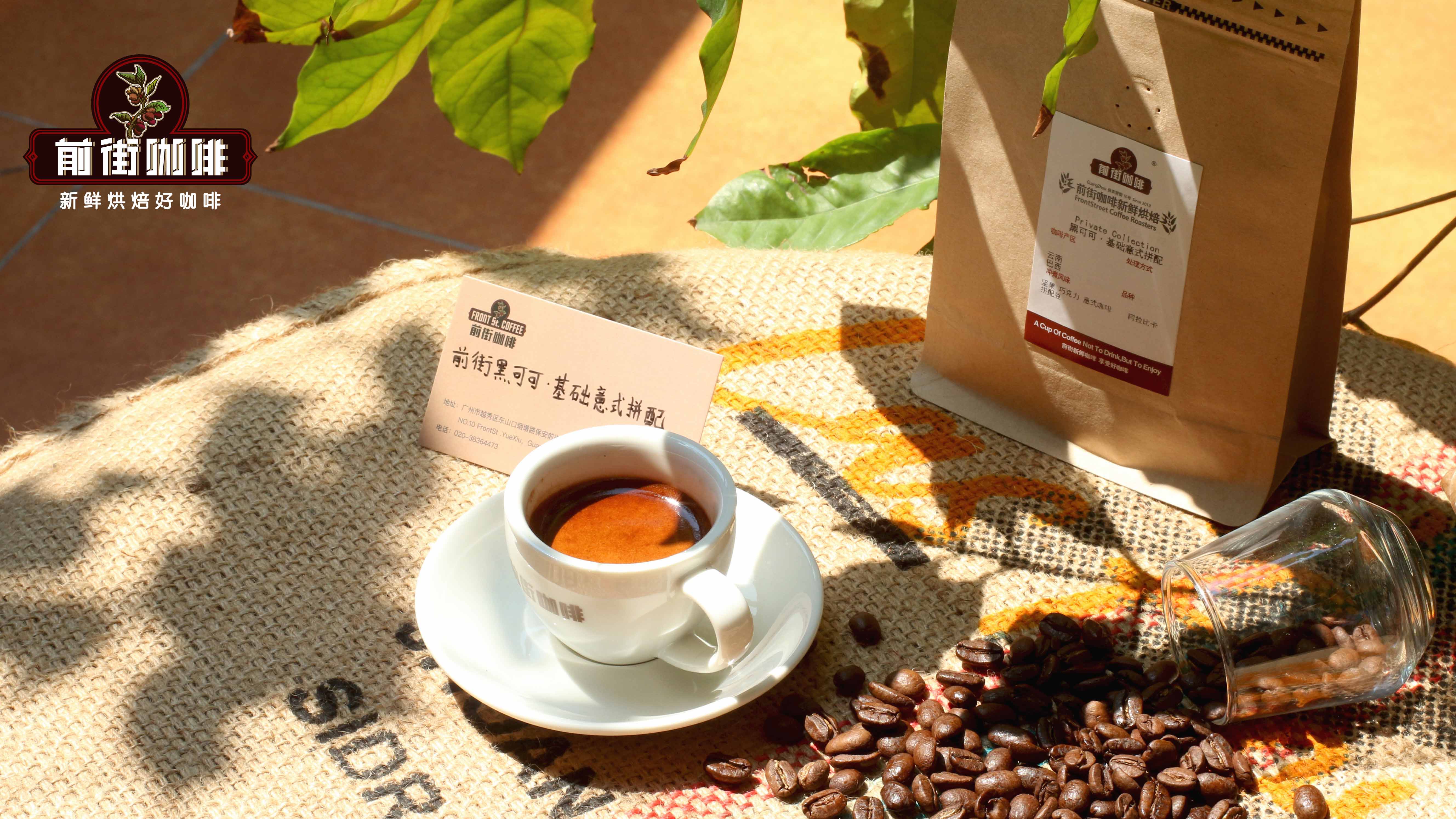
When it comes to bean selection, Dirty is recommended to use medium-to-dark roasted blends or SOE (Single Origin Espresso) beans. These types of beans often have rich flavors like caramel and chocolate, which create a distinct contrast with milk and deliver a satisfying aftertaste. If you prefer a stable and cost-effective option, consider blends with rich crema and aromas of butter and roasted chestnuts. If you enjoy a fresher fruity profile, medium-to-light roasted beans such as Strawberry Sugar Espresso or Huakui SOE are also great choices, highlighting a more vibrant sweet-and-sour contrast.
Next, let’s look at the main differences between Dirty and iced latte. First is cup size: Dirty is generally smaller, about 180–220ml, while iced latte is typically 280–320ml. This is mainly because iced latte includes ice cubes to maintain a lower temperature, resulting in a larger total volume. Dirty doesn’t add ice, which is why many people jokingly call it an “iced latte without ice.” If you don’t want the texture affected by ice cubes, you can also ask the barista for a “no ice” version.
Cup temperature is another key difference. To enhance the layering effect and maintain a cooler temperature, Dirty is usually served in a pre-chilled ice cup. The low temperature of the cup slows down the warming of the milk, helping the layers last longer while also intensifying the hot-and-cold contrast. Iced latte is more flexible with cup temperature—room temperature or chilled is fine—with the focus on long-term cooling, which is why ice cubes are commonly added.
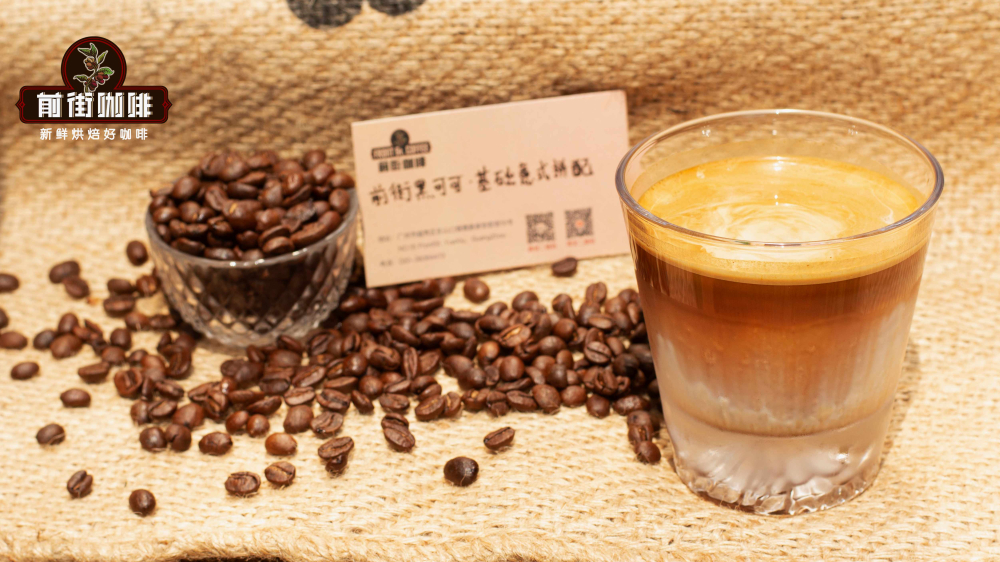
The purpose of layering is the core difference between the two. For iced latte, layering is mainly for visual appeal, using the aesthetic contrast of espresso floating on milk to enhance attractiveness, but it still needs to be stirred before drinking. For Dirty, however, layering is its very essence. By keeping the espresso and milk unmixed, it allows the drinker to experience the bitterness and richness of hot espresso alongside the sweetness and freshness of cold milk in a single sip, creating a multi-dimensional flavor profile. To achieve this effect, Dirty pays special attention to extraction height, milk temperature, and pre-chilling the cup during preparation.
In terms of drinking method, Dirty emphasizes taking big sips, allowing your mouth to simultaneously touch the espresso on top and the milk underneath, experiencing the complex interplay of hot and cold, bitter and sweet. Sipping small amounts may only bring the espresso from the top layer, which could be too intense for those unaccustomed to strong bitterness. On the other hand, iced latte is best enjoyed by stirring it with a straw first to fully blend the coffee and milk, savoring its balanced and smooth overall flavor.
In summary, although Dirty and iced latte share similar ingredients, they differ significantly in preparation details and drinking experiences. Dirty is a coffee that emphasizes layers, contrasts, and the collision of instant flavors—perfect for those who enjoy challenging their taste buds and experiencing the interplay of hot and cold. Meanwhile, iced latte is a more approachable choice that highlights balance and smoothness, ideal for everyday enjoyment. With this understanding, the next time you order coffee, you’ll have a clearer idea of which flavor experience you’re seeking.

The above content is compiled by CoffeeHunters, a coffee news website.


