







Introduction:Do you often brew espresso at home but always end up with sour or overly bitter results? This article will take you deep into the logic of adjusting espresso, from extraction ratio, coffee dosage, grind size to time control, guiding you step-by-step to find the optimal parameters. We’ll also analyze the differences in extraction and flavor profiles between regular Americano and iced Americano, so you can consistently pull a balanced and smooth shot of espresso at home.
Have you ever experienced this while brewing espresso at home with an espresso machine: you eagerly make a shot, only to taste sharp acidity or intense bitterness? Many home baristas have had similar experiences—the process of dialing in espresso is trickier than it seems. What was a satisfying shot yesterday might completely miss the mark today, which can be frustrating. So, is there a way to quickly regain that ideal flavor while minimizing coffee bean waste?
This article will delve into the key elements of espresso extraction, including how to choose the right coffee beans, understanding how beans change in flavor over time and with environmental shifts, techniques for adjusting extraction ratio and coffee dosage, when and how to fine-tune grind size, and further analyzing the extraction time for Americano and the unique taste profile of iced Americano. This will help you build an adjustment logic so that whether you’re brewing for personal enjoyment or advancing your pour over skills, you can more consistently produce a delicious espresso or espresso-based drinks.
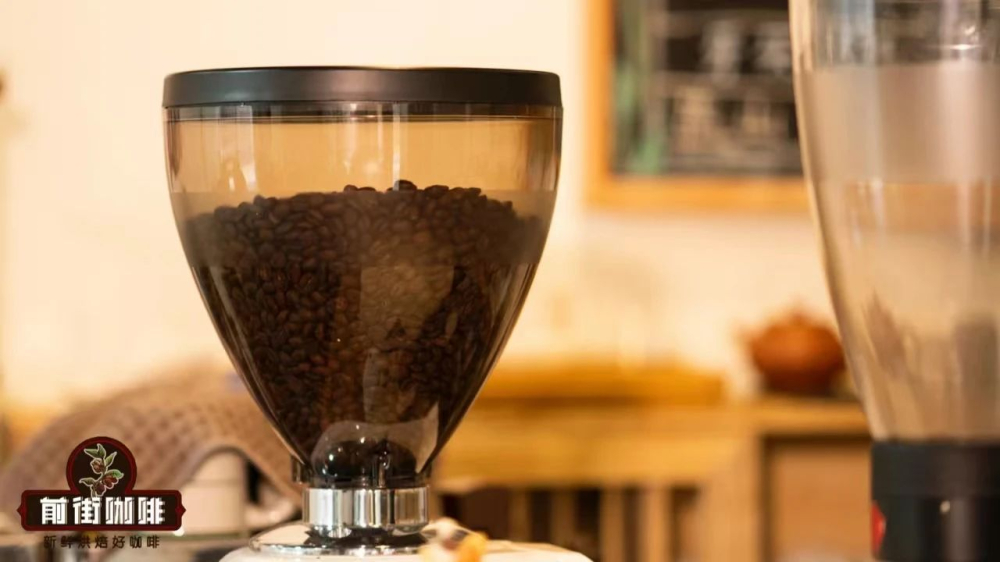
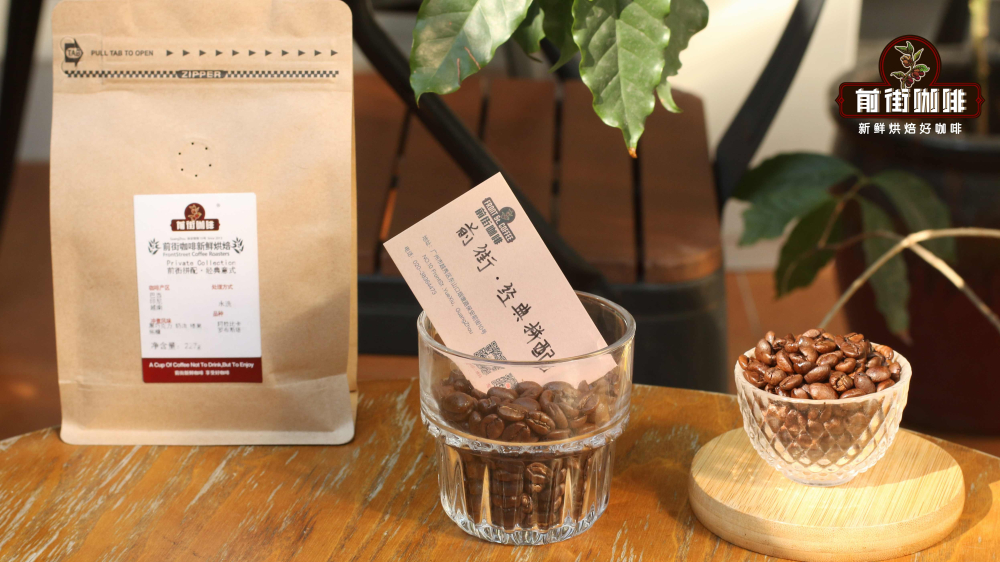
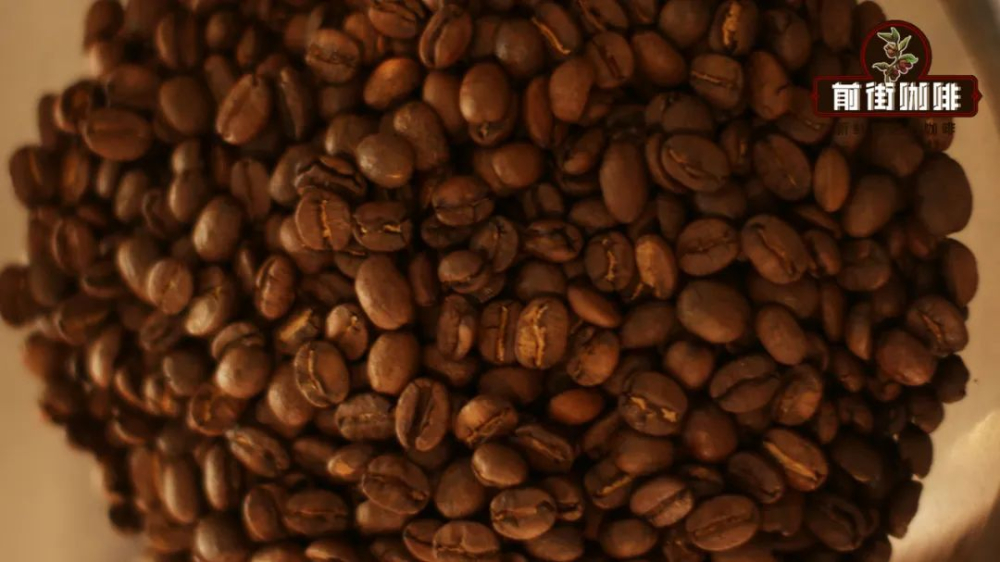
To enjoy a balanced and smooth espresso every day, choosing the right coffee beans is the first step. Since espresso machines extract under high pressure and high temperature, using beans with extreme light or dark roast profiles can easily lead to overly intense flavors—either piercingly acidic or harshly bitter. Therefore, it’s recommended to choose medium to dark roasted blends, which generally offer better flavor stability and a moderate acid-to-bitterness balance, and are also more likely to produce rich crema, enhancing the overall texture and mouthfeel.
Why does the flavor of your daily espresso shots vary? This actually relates to the state of the coffee beans themselves, indoor temperature and humidity, and even atmospheric pressure. Especially with freshly roasted beans, they continuously release carbon dioxide, which creates resistance during extraction and affects water flow rate and extraction time. For example, on the first day, using 19 grams of coffee grounds might yield 38 milliliters of liquid in 30 seconds; but by the second day, as some of the internal gases have dissipated, the resistance is reduced, and the same dose and settings might complete extraction in just 26–28 seconds, resulting in noticeably different flavors.

In addition, changes in indoor humidity can affect the moisture content of the coffee beans, thereby altering extraction performance. A humid environment may cause beans to absorb more moisture, changing their density and extraction rate; fluctuations in atmospheric pressure can also subtly impact the stability of the espresso machine’s extraction pressure. That’s why many professional baristas recalibrate the extraction parameters for the day’s beans as their first task each morning, ensuring the flavor of every cup remains consistently stable.
If you find that your espresso tastes noticeably off from what you expected that day, what should you do? First, it’s advised not to rush to adjust the grind size, because every grind adjustment creates a completely new particle structure—not only wasting a portion of coffee, but also making it hard to determine whether the issue lies with the grind or other parameters. The correct approach is to start by fine-tuning the extraction ratio and time, keeping the coffee dosage and basic settings unchanged.
Generally speaking, espresso doesn’t have a universally acknowledged “golden ratio” like pour over coffee, but a common industry benchmark is 1:2—that is, about 2 milliliters of liquid extracted per 1 gram of coffee. When you find the espresso too sharply acidic, it may indicate under-extraction. In this case, you can slightly extend the extraction time, increasing the yield from 36 milliliters to 38 milliliters, raising it by about 2 milliliters at a time, and observe whether the acidity improves. Conversely, if you detect obvious bitterness, it likely means over-extraction, and you should reduce the yield to find the most balanced point.
Besides adjusting the yield, the amount of coffee used is also a sensitive yet effective variable. Just a ±0.2 gram change can noticeably alter the extraction outcome. If your current results are too acidic or too bitter, try fine-tuning the coffee dosage—for example, adjusting from 19 grams to 18.8 or 19.2 grams, testing in increments of 0.2 grams, observing flavor changes, and finding the dosage setting that best suits your taste.
When the coffee dosage has reached the basket’s limit—say, a 20-gram basket filled with 20 grams of coffee—but the shot completes in as little as 24 seconds with extremely sharp acidity, this is usually a sign that the grind is too coarse. A coarse grind allows water to pass through the coffee bed too quickly, leading to insufficient contact time and incomplete extraction. In this case, adjust the grind setting toward a smaller number (usually indicating a finer grind) by one notch, discard the first grind (to avoid mixing in remnants of previously coarser grinds), and re-brew the same yield. You’ll typically notice an extended extraction time and a rounder, fuller flavor.
Conversely, if you find that even with 20 grams of coffee, it still takes over 40 seconds to extract 38 milliliters—and the beans are not light roasted—in this case, the coffee is likely over-extracted, tasting dull, bitter, and lifeless. This is usually caused by a grind that’s too fine, where excessive restriction leads to over-extraction. You should then adjust the grind setting toward a larger number (indicating a coarser grind) to increase the space for water flow and reduce extraction pressure. Coupled with the aforementioned adjustments to yield and dosage, you can gradually find the most suitable extraction balance.
Once you’ve mastered these basic adjustment techniques, you’ll be able to quickly make corresponding parameter corrections based on actual extraction results—whether it’s sourness, bitterness, or flat flavor. However, if you’re just brewing for daily enjoyment at home and don’t need to pursue extreme consistency, you can also adjust moderately according to your personal taste to find your own comfort zone. After all, the most fascinating thing about coffee is how it can present limitless flavor possibilities based on each person’s preferences.
The above content is compiled by CoffeeHunters, a coffee news website.


