







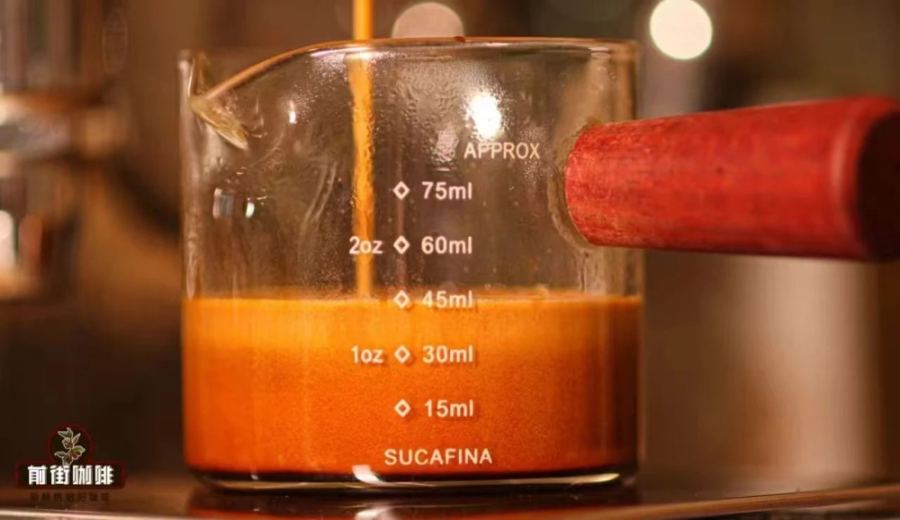
Introduction:Choosing the right espresso beans is key to brewing a great shot of espresso. This article delves into the differences between blends and single-origin espresso beans (SOE), explores blending logic and flavor profiles, and offers practical bean selection tips for home espresso machine users—helping you find the most suitable beans based on your taste preferences.
To understand the soul of a high-quality espresso, you can’t overlook the choice of coffee beans. Market espresso beans generally fall into two main categories: blends and single-origin espresso beans (Single Origin Espresso, or SOE). These two types each have their own characteristics and suit different brewing needs and flavor preferences. This article will start with the basics, guide you through their differences, and analyze how to choose the most appropriate beans for your home espresso machine.
The Origins of Espresso and Key Considerations in Bean Selection
Espresso originated in Italy and is a concentrated coffee extracted under high pressure. This concentrated liquid can be enjoyed on its own or serves as the base for classic coffee drinks such as lattes and cappuccinos. Therefore, when selecting beans, pay special attention to whether they are labeled as suitable for espresso—common terms include “espresso beans” or “espresso blend”—to ensure their flavors can fully shine under high-pressure extraction.
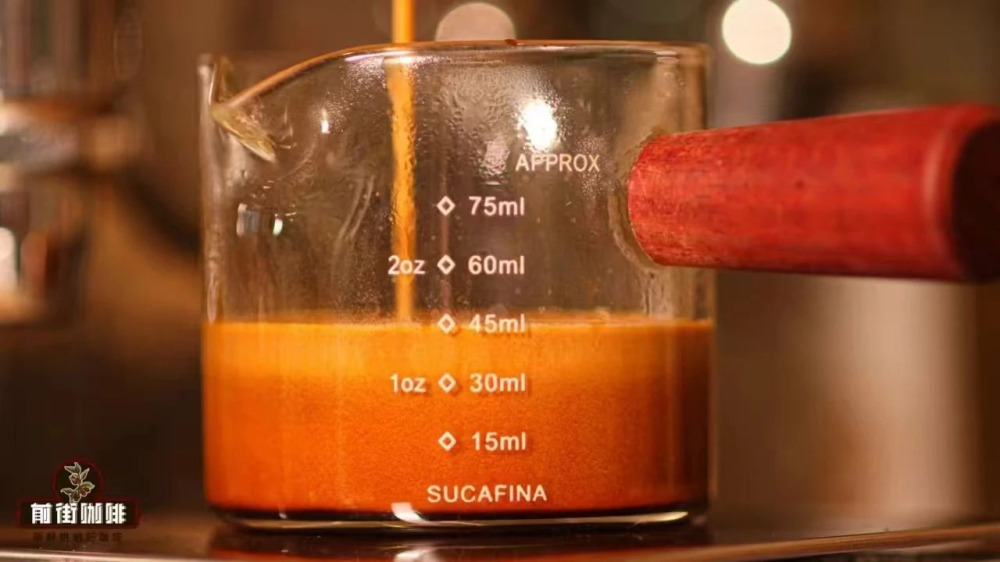
Blends: The Art of Balance and Stability
Blend beans are formulated by combining beans from different regions or varieties to achieve a specific target flavor profile. Roasters select beans from various origins based on the desired taste experience—such as body, pronounced sweetness, or balanced acidity and bitterness. Some blends are composed before roasting, while others are mixed afterward. The goal of blending is to integrate the strengths of each bean type, creating a stable, balanced, and crowd-pleasing flavor profile.
These beans are commonly used to make espresso, Americano, latte, or cappuccino. Their advantage lies in consistent flavor that’s less affected by the weather or harvest of a single origin, making them suitable for everyday drinking. If you enjoy traditional-style lattes or prefer coffee with a rich, chocolatey finish, blends are an ideal choice.
Practical Selection Tips: Classic and Advanced Blends
For readers who enjoy flavors like butter, nuts, spices, and dark chocolate, consider blends focused on balanced richness. These beans typically offer a generous crema and intense mouthfeel, perfect for those who favor bold coffee flavors. Additionally, if you prefer a pronounced nuttiness—such as almond, walnut, or hazelnut notes—opt for blends based on Brazilian beans. These recipes often deliver a comfortable balance of sweetness and bitterness, with a smooth mouthfeel, making them versatile for various espresso-based drinks including lattes and cappuccinos.
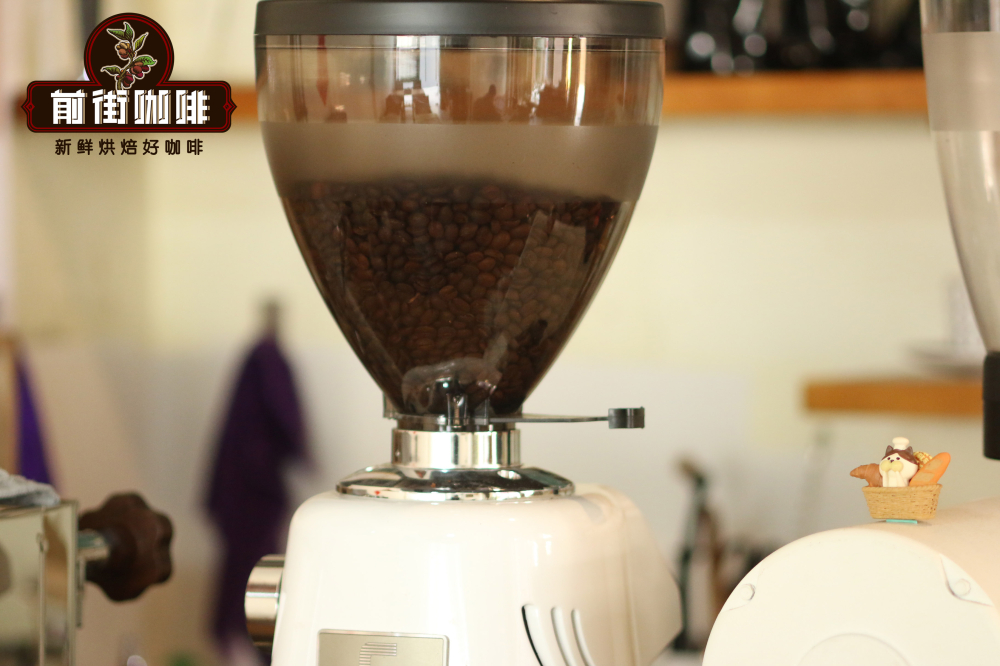
SOE: Single-Origin Coffee Showcasing Regional Character
Compared to blends, SOE (Single Origin Espresso) emphasizes the unique flavor expression of beans from a single origin or estate. These beans can often be traced back to a specific region, even down to a particular farm or processing facility, allowing them to better showcase the terroir—including altitude, soil, and microclimate influences on flavor. Common SOE flavor profiles include bright acidity, rich floral and fruity notes, or distinctive sweetness.
If you’re a coffee enthusiast who loves exploring details and pursuing layered flavors, SOE is a more exciting option. For example, readers who prefer sweet fruitiness can try SOEs from Costa Rica known for their pronounced sweetness. If you enjoy bright, tangy acidity with a tea-like quality, Ethiopian natural-process SOEs can deliver vibrant citrus and floral notes. For those seeking floral nuances and delicate aromas, SOEs with floral profiles—such as the Geisha variety—are also worth trying.
Bean Pairing Suggestions for Home Espresso Machines
For home espresso machine users, besides considering flavor preferences, it’s important to ensure that the beans’ grind size and extraction parameters match your machine’s performance. Generally, home espresso machines operate at around 9 bar of pressure, and a medium-fine grind is recommended. Extraction time should be controlled between 25–30 seconds, with the dose adjusted according to machine type and cup size—typically around 18–20 grams.
If you’re using an entry-level or popular home machine model, it’s advisable to start with blends known for their stability. These beans offer greater tolerance to extraction parameter variations, making it easier to achieve balanced flavors. However, if you’ve mastered basic extraction techniques and own a more advanced home machine (e.g., one with pre-infusion or pressure curve adjustment features), you can experiment with more distinctive SOEs to further explore the unique expressions of different regions.
In summary, whether you prefer the rich stability of blends or want to challenge yourself with the vivid flavors of single-origin SOEs, understanding their characteristics and suitable scenarios will help you achieve a more satisfying taste experience in home coffee brewing.
The above content is compiled by CoffeeHunters, a coffee news website.


