







Introduction:Golden Mandheling is renowned for its rich, mellow flavor profile and clean, sweet aftertaste, making it a classic dark roast choice beloved by many coffee enthusiasts. This article delves into the key factors in selecting Golden Mandheling beans, how to identify the PWN trademark, the unique flavor characteristics brought by the wet hulling process, and offers recommendations for roasting dark beans along with practical pour over parameters. From bean selection and roasting to detailed brewing tips using the KONO filter at 88°C water temperature and a 1:15 coffee-to-water ratio, we’ll guide you step-by-step to consistently extract its enticing nutty, spicy, and chocolatey notes.
Golden Mandheling was once a staple in the specialty coffee market, winning the hearts of many coffee lovers with its bold, full-bodied taste and creamy-smooth texture. Based on practical experience, this article breaks down how to unlock the potential of this dark roast bean through proper selection, roasting, and pour over brewing. It covers PWN certification identification, the features of wet hulling, as well as hands-on techniques such as coarse grinding and lower water temperatures.
Looking back to the early days of specialty coffee, Blue Mountain, Kona, and Golden Mandheling were standard offerings in many cafés. At that time, consumers favored coffee with a robust, stable flavor profile and layered body rather than the fruity and acidic profiles that dominate today. Even though dark roasts are often intimidating due to their oily surfaces and deep black color, with carefully selected beans and proper roasting, they can still deliver intense yet balanced flavors—so good you’ll want to drink them again and again.
Golden Mandheling stands out as one of the finest examples of dark roasted coffee. Sourced from Sumatra, Indonesia, it is known for its distinctive creamy texture, black cocoa aroma, and subtle herbal undertones. It has a smooth, full mouthfeel with a pronounced sweet aftertaste, making it a favorite among coffee connoisseurs. This bean not only boasts a bold flavor but also offers a clean and well-defined structure, making it an ideal choice for dark roast enthusiasts.
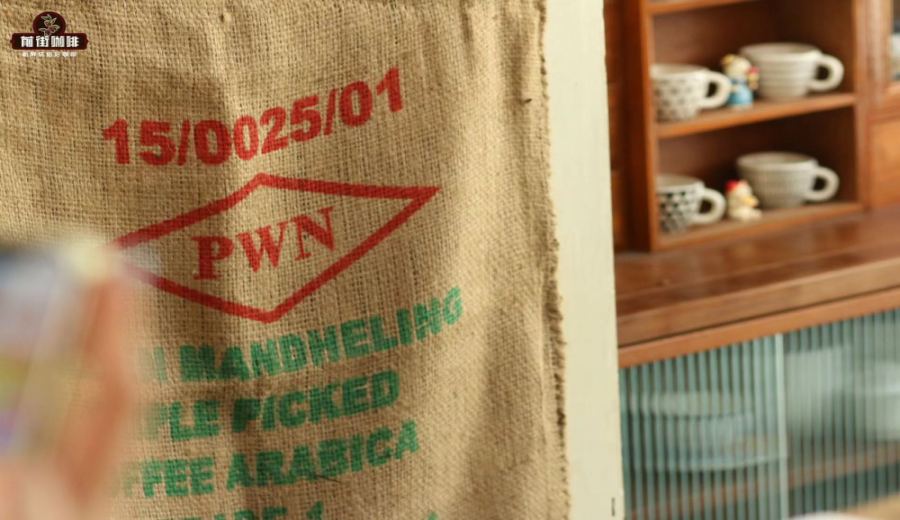
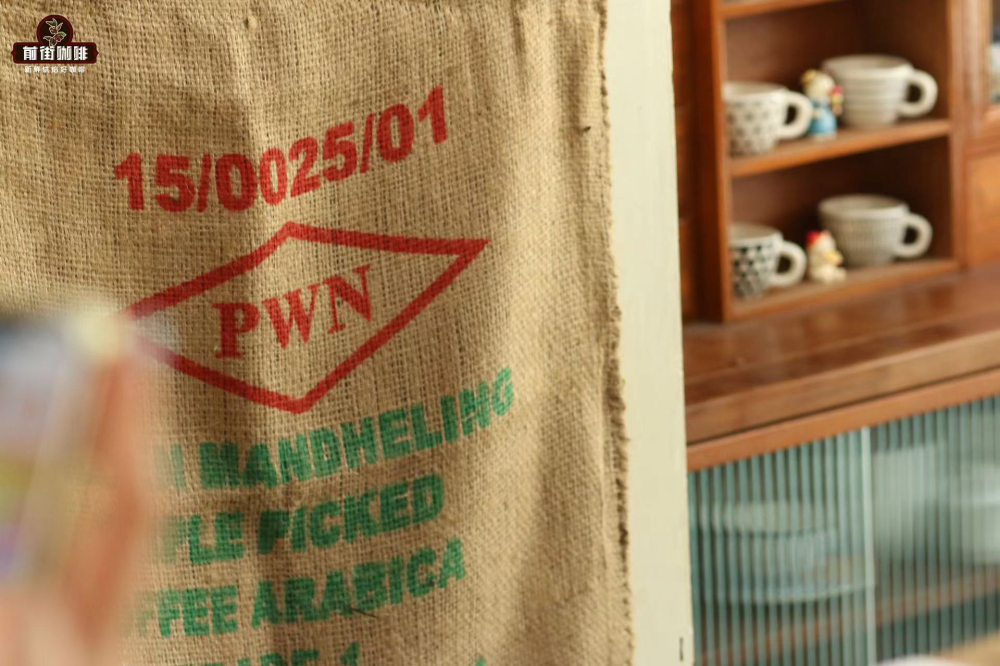
To successfully brew a great cup of Golden Mandheling using the pour over method, five key elements are crucial: high-quality green beans, properly executed roasting, guaranteed freshness, suitable grind size, and precise extraction parameters. Among these, Golden Mandheling is already a representative of top-tier Indonesian Mandheling, classified as G1 grade and certified by PWN (Pwani) company, making it a widely recognized symbol of high quality in the market.
So, what makes Golden Mandheling unique? The answer lies in two main factors: the inherent characteristics of the Mandheling variety itself, and the unique wet hulling processing method used in Indonesia. Wet hulling involves retaining the parchment layer during washing, allowing the beans to undergo 2–3 days of initial sun drying until their moisture content drops to 20%–24%, at which point the parchment is removed. While this speeds up the drying process, it can also increase the rate of defects.
To ensure quality, PWN meticulously selects coffee cherries from the Gayo region of Sumatra, choosing only ripe beans that are 18 mesh size or larger. After drying, the beans undergo at least three rounds of manual sorting to ensure that no more than 3 defective beans are found in every 300g sample, meeting the G1 highest grade standard. It’s also because these green beans have a slight golden hue that they are named “Golden Mandheling.”
It’s worth noting that only Mandheling beans certified with the PWN trademark can be called true Golden Mandheling. As the popularity of this bean has grown, many so-called “premium Mandheling” beans that have undergone multiple screenings have appeared on the market, but they are not equivalent to PWN-certified Golden Mandheling. When purchasing, it’s recommended to look for the PWN trademark to ensure quality.
In terms of roasting, due to Sumatra’s relatively low altitude and insufficient diurnal temperature variation to extend the development phase of the beans, the bean density is generally looser. This makes precise control of heat during roasting especially critical. If the temperature is too high or the ramp-up too fast, it can lead to scorching on the surface while the inner flavors are not fully developed; conversely, insufficient heat may result in thin or fermented off-flavors during extraction.
In practice, it’s recommended to use a Yangjia 800N roaster with a charge weight of 480g. Set the initial drum temperature to 200°C, with the air damper open at 3. After one minute, reduce the heat to 160°C while keeping the air damper unchanged. Around 5 minutes and 40 seconds, when the bean temperature reaches 148°C and the beans turn yellow with the grassy aroma fading, reduce the heat to 140°C and adjust the air damper to 4. By the 9-minute and 40-second mark, when the bean surface shows wrinkles and dark spots and the aroma shifts to coffee-like, that signals the approach of first crack. Once the first crack becomes audible (around 9:54), reduce the heat to 60°C and open the air damper to 5, then drop the beans at approximately 204.5°C.
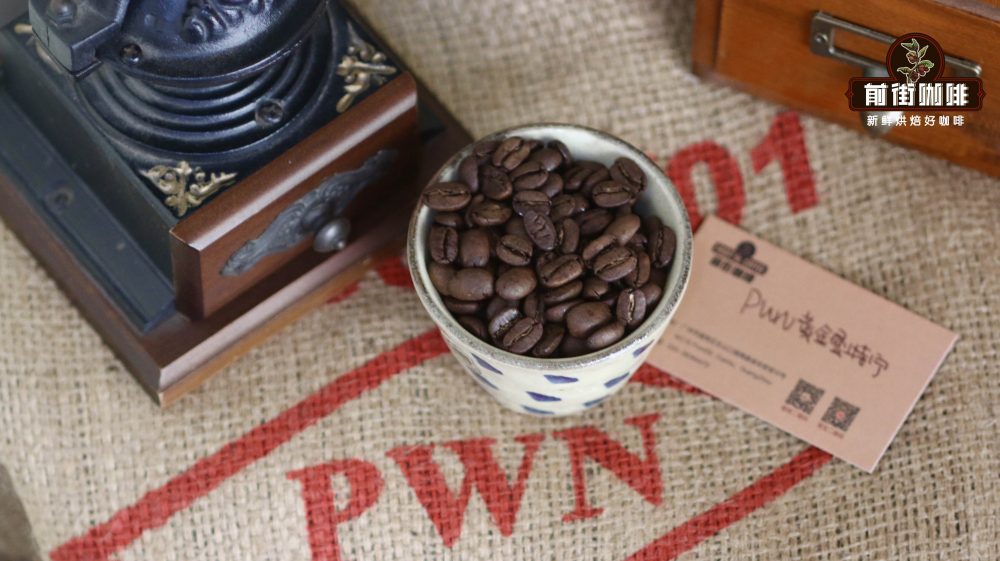
Golden Mandheling roasted just before the start of second crack achieves a perfect balance between the intense herbal and cocoa notes and a clean profile with a pleasant sweet aftertaste—making it a classic representation of dark roast coffee.
As for pour over brewing, it is recommended to use freshly roasted beans, ideally within 5 days of roasting, to fully experience their complete flavor range. Although some retailers offer grinding services, it’s advisable to use your own hand grinder and brew right after grinding to preserve maximum flavor. Since it’s a dark roast bean, to avoid over-extraction, it’s suggested to usea coarse grind size (approximately 70% passing through a Chinese No. 20 sieve, similar in size to coarse sugar)anda lower water temperature (88°C), along with a filter cup that provides immersion effects, such as the KONO filter.
Suggested specific pour over parameters are:a 1:15 coffee-to-water ratio,first pouring 30g of water for a 30-second bloom; then pouring in small circles to reach 125g, waiting for the coffee bed level to drop halfway before continuing to pour in small circles to 225g, with total extraction time controlled around 2 minutes and 10 seconds.
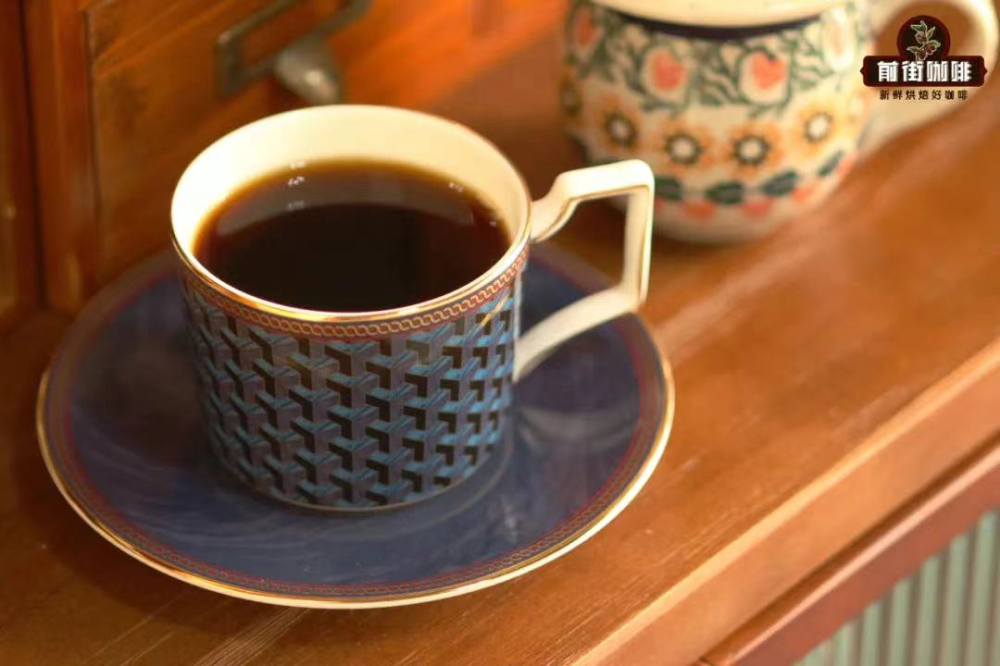
Using the above method allows you to stably extract the rich flavor layers of Golden Mandheling, including notes of nuts, spices, herbs, licorice, chocolate, and caramel. The cup is full-bodied with a refreshing and sweet aftertaste, making it an excellent choice for dark roast lovers who value clarity and cleanliness in their coffee—perfect for trying at home.
The above content is compiled by CoffeeHunters, a coffee news website.


