







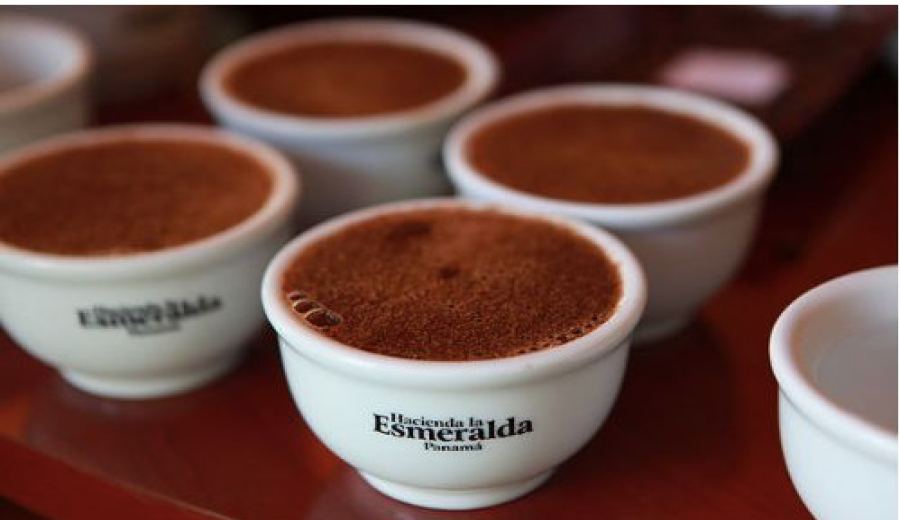
Introduction:Geisha coffee is hailed as the pinnacle of specialty coffee, originating from Ethiopia and making a spectacular debut after being introduced to Panama. This article delves into the variety’s origins, highlights key global production regions—including the three tiers of Panama’s Hacienda La Esmeralda—as well as the unique flavor profiles of emerging regions like Colombia and Costa Rica. It also provides expert pour over brewing recommendations and detailed flavor descriptions, making it a comprehensive guide for coffee enthusiasts to discover and appreciate Geisha.
Geisha coffee, also known as Gesha or Artisan coffee, is a highly esteemed top-tier variety in the specialty coffee world, renowned for its distinctive floral aromas and bright acidity. This variety was first discovered in the Geisha Forest of Ethiopia in 1931, and subsequently traveled through Kenya, Uganda, and Costa Rica before arriving in Panama in the 1970s. However, it wasn’t until 2004, when Panama’s Hacienda La Esmeralda won the Best of Panama (BOP) competition with the Geisha variety, that this coffee truly gained international recognition.
Terroir Shapes Unique Flavors. Geisha is extremely particular about growing conditions, requiring high altitudes, moderate cloud shade, and fertile soil to develop its refined floral and fruity characteristics. For this reason, Panama’s high-altitude coffee-growing environment has become the ideal stage for Geisha to showcase its flavors. Today, in addition to Panama, countries such as Colombia, Costa Rica, Guatemala, Peru, and even Ethiopia cultivate Geisha, each region presenting a distinctly different flavor profile due to variations in climate and processing methods.
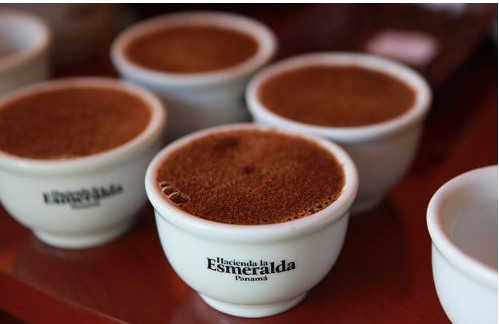
Among all the producing regions, the Geisha from Panama’s Hacienda La Esmeralda is arguably the most representative. Initially established in 1964 as a dairy farm, the estate did not begin coffee cultivation until 1987, and installed a washed processing facility in 1994, gradually laying the foundation for specialty coffee. In 2004, the estate entered an unidentified high-altitude variety into the BOP competition and unexpectedly won the championship. It was only afterward that the variety was identified as Ethiopian Geisha, forever changing the fate of this coffee.
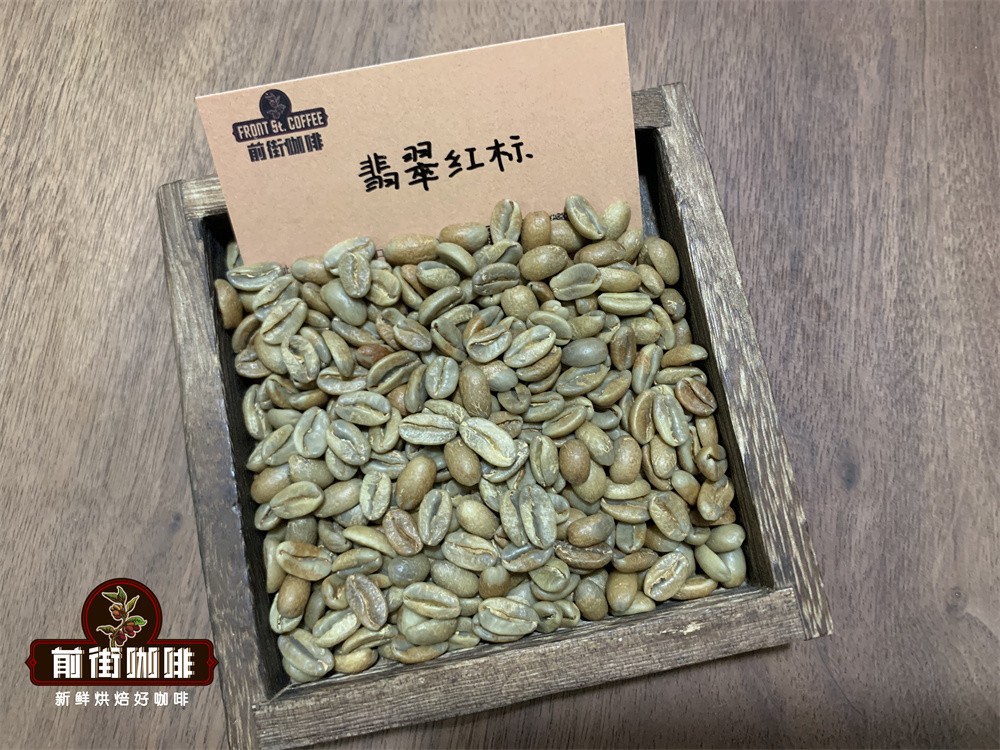
Hacienda La Esmeralda categorizes its Geisha beans into Red Label, Green Label, and Blue Label (later discontinued and replaced by Volcanica).Red Label Geishais sourced from the Jaramillo and Canas Verdes regions at elevations of 1600–1800 meters. Cup scores often exceed 90, with natural processing being the norm. These beans exhibit intense floral, citrus, berry, and honey notes, with layered complexity and a long, lingering finish.Green Label Geishaconsists of non-auction lots, grown at similar altitudes but blended from micro-lots. It retains the classic floral and fruity notes of Geisha, with a clean taste profile suitable for those who prefer balanced flavors.Blue Label Geishauses beans from altitudes of 1400–1500 meters in a blended lot. Its flavor is lighter, featuring subtle floral notes and mild acidity. Starting in 2020, sun-dried processing was added, enhancing sweetness and fruitiness.
Beyond Panama, Colombia’s Hanami Geisha is another notable regional representative. This blend combines Geisha, Caturra, and Catuaí varieties, with the Geisha component only introduced in 2016 and reaching stable production levels after 2021. Its flavor profile offers notes of red pepper, chamomile, mandarin orange, and honey, delivering a unique and layered tasting experience.
Costa Rica’s Miramar Geisha Blend combines 50% Geisha with varieties such as ET47, SL28, and MAICO. Processed using raisin honey method, it amplifies sweetness and berry flavors while showcasing distinct jasmine aromas. The cup strikes a balance between the sweetness of strawberry gummies and the creaminess of nutty butter.
Returning to Ethiopia—the birthplace of coffee—Geisha was originally discovered here. However, due to the predominance of smallholder farms, diverse varieties, and the common label of “heirloom,” accurately identifying Geisha can be challenging. Among them, Geisha Village Farm is one of the few large-scale farms focused on cultivating and competing with Geisha. Since 2008, the farm has grown Geisha in high-altitude, tropical rainforest environments and has consistently earned accolades in international competitions. Its Geisha features yellow stone fruits like yellow peaches as the flavor backbone, with pronounced sweetness—some batches even carry caramelized toffee notes—offering an intriguing contrast to the Panamanian style.
To fully experience the delicate nuances of Geisha,brewing method is crucial. It is recommended to use freshly roasted beans, as optimal flavors typically emerge within five days post-roast and benefit from a 4–7 day rest period. The industry suggests using a Hario V60 dripper, with water temperature controlled at 90°C, around 15 grams of coffee, a 1:15 coffee-to-water ratio, and medium-fine grind (approximately 80% passing through a Chinese standard #20 sieve). A three-stage pouring method is advised: start with a 30-second bloom using 30 grams of water, followed by slow pouring to reach 125 grams, then continue to 225 grams total. Total extraction time is around two minutes.
Here are the flavor characteristics of different grades of Geisha:
Sun-dried Red Label Geisha: roses, citrus, rice, berries, apricots, honey—richly layered, balanced sweet and acidic tones, intense fruitiness with a long finish.
Washed Green Label Geisha: prominent jasmine aroma, accompanied by citrus, berries, cantaloupe, and orange peel. Clean taste with noticeable sweetness.
Washed Blue Label Geisha: initial soft acidity from lemon and grapefruit, mid-palate brings out oolong tea and honey notes, with a clean and bright mouthfeel.
Sun-dried Blue Label Geisha: showcases fermentation aromas and tropical fruit sweetness, delivering a juicy, vibrant, and pleasing overall profile.
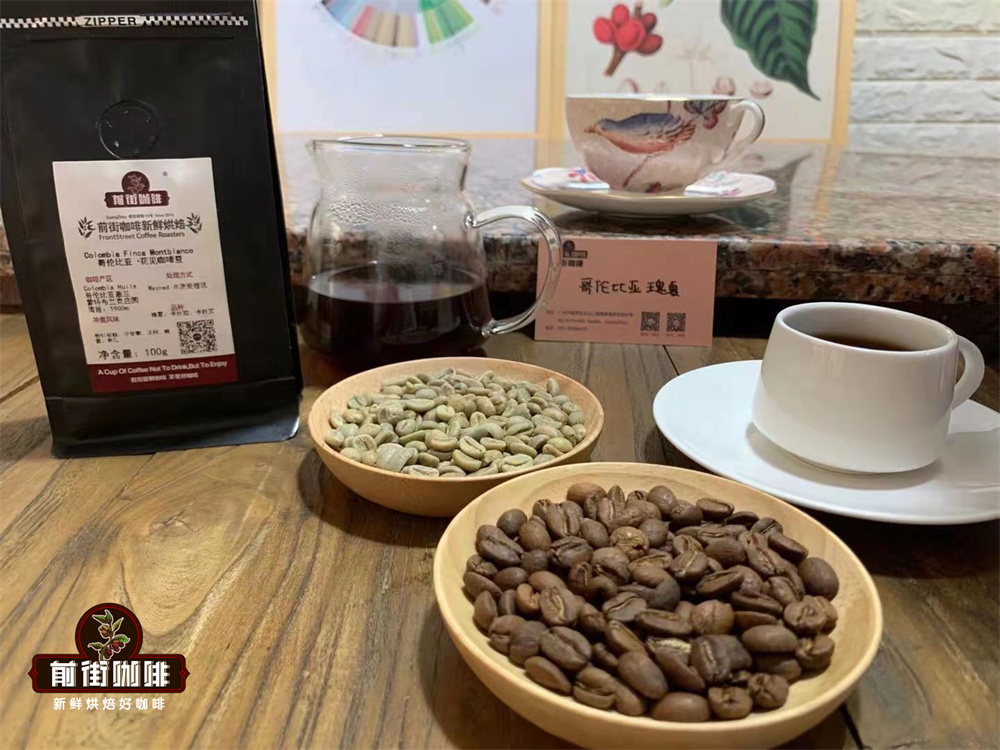
Whether you’re new to Geisha or already a specialty coffee enthusiast, understanding the characteristics of different regions and grades, along with appropriate brewing parameters, will allow you to explore the multifaceted charm of this legendary coffee more deeply.
The above content is compiled by CoffeeHunters, a coffee news website.


