








Introduction:Delve into the unique terroirs of Costa Rica’s eight major coffee regions, with a focus on the Tarrazú region renowned for its Strictly Hard Bean (SHB) coffee. This article analyzes the key differences between honey process and raisin honey process, paired with tested pour over parameters, to guide you through the distinct flavor profiles of three representative beans from the Musician Series—Mozart, Beethoven, and Bach. From high-altitude cultivation environments to detailed post-harvest processing, it provides a comprehensive reference for bean selection and extraction.
Costa Rica is known as "the sweetest coffee origin in the Americas." Its eight regions, shaped by varying terrain, altitudes, and microclimates, produce distinctly unique coffee flavors. Among them, the Tarrazú region stands out globally in the specialty coffee market due to its high-altitude SHB beans. This article not only systematically outlines the distribution of national coffee regions but also deeply explores the core differences between honey process and raisin honey process. Through the actual flavor performances of three beans from the Musician Series, it helps you master the pour over essentials of Tarrazú beans.
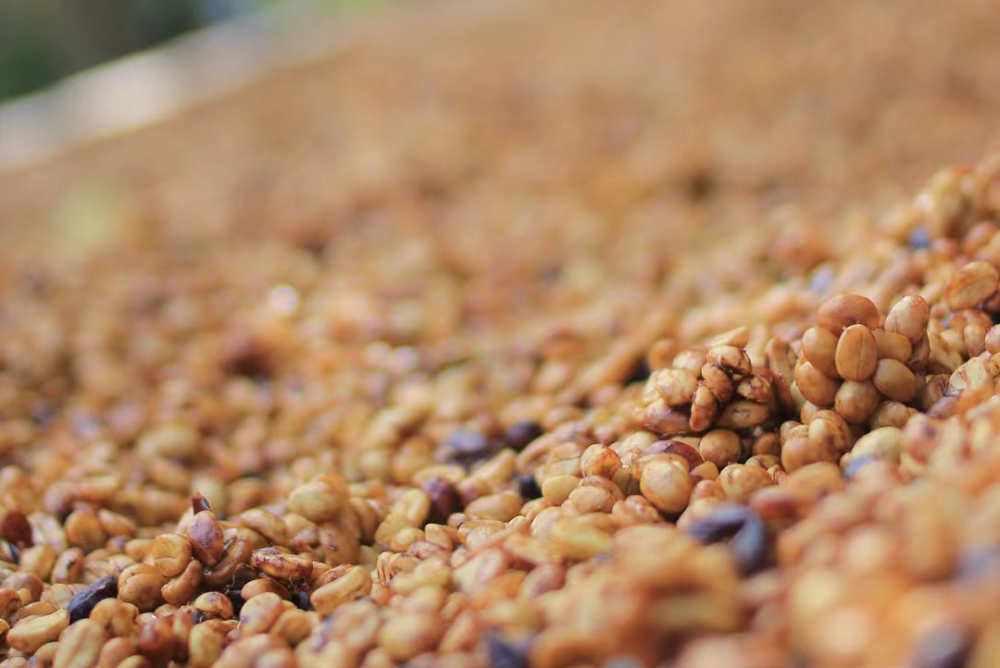
The popularity of honey processing in Costa Rica is closely tied to the country’s water resource allocation and climate characteristics. This technique originates from an adaptation of Brazil’s pulped natural method, with its core focus on maximizing the retention of the coffee bean’s mucilage layer—the sticky substance that enhances sweetness and body. Depending on the amount of mucilage retained before drying, honey process can be subdivided into categories such as black honey (most retained), gold honey, yellow honey, red honey, to white honey (least retained), with color depth directly correlating to sweetness intensity.It’s important to note that the ratio of mucilage retained and the control of the drying environment significantly impact the final balance of flavors..

The “Mozart” and “Bach” beans in the Musician Series both use raisin honey process, an upgraded version of double fermentation. On the day of harvest, coffee cherries are first screened in water tanks to remove defective beans, then placed on raised beds to dry for at least three days until the mucilage stabilizes. The outer skin is then removed while retaining the full mucilage layer, followed by slow drying. The entire process requires frequent turning to prevent localized overheating and fermentation, demanding precise control over time and temperature.This technique not only enhances sweetness but also imparts a distinct fermented wine-like aroma and fruity notes..
Focusing on the actual performance of the three representative beans: “Mozart” comes from the Canet Estate at 1,950 meters altitude in the Tarrazú region, with varieties Catuai and Caturra, processed via raisin honey. Its flavor profile features osmanthus and berries in the forefront, followed by fermented wine notes in the mid-palate, and a finish of sweet raisins.Dry aroma shows prominent berry and fermented notes, while wet aroma highlights layered raisin and sweet orange notes.. “Bach” also uses raisin honey process, with variety Catuai, similar altitude and processing conditions, but exhibits more intense tropical fruit (such as pineapple, mango) and nut aromas, paired with a creamy texture and subtle caramel sweetness.Its flavor intensity and complexity surpass the others..
“Beethoven” is the only washed-processed bean in the series, with variety Yellow Caturra, at 1,900 meters altitude. The washed process removes the pulp and mucilage layer, then washes with clean water and sun-dries on raised beds for 12–14 days to ensure even drying. This method delivers a cleaner, brighter acidity, with flavors centered on citrus and black tea, and caramel sweetness emerging in the mid-palate.Ideal for those who prefer a clean taste, especially recommended for pour over and cold brew..
Although all three beans originate from the Tarrazú region, micro-environmental differences still create unique flavor profiles. As one of Costa Rica’s eight major regions (others include West Valley, Central Valley, Tres Ríos, Orosi, Brunca, Turrialba, and Guanacaste), Tarrazú is a key origin for top-tier global coffee. The over 1,500-meter altitude environment ensures that over 95% of its beans meet SHB standards. Coupled with a ban on synthetic fertilizers and chemicals, along with traditional hand-picking and selection, it guarantees bean density and flavor potential.A special reminder: even beans from the same estate can show significant flavor variations due to differences in altitude and variety..
Recommended tested pour over parameters (for V60 filter): water temperature 91°C, coffee-to-water ratio 1:15 (15g coffee), grind size passing 80% through a Chinese No. 20 standard sieve (approximately between fine and white sugar). Operation: pour 30g water for a 30-second bloom, then slowly circle-pour to 125g for the first pour, wait until the water level drops nearly exposing the coffee bed before pouring to 225g total, with total extraction time controlled at exactly 2 minutes.These parameters balance extraction efficiency and flavor clarity, suitable for most honey and washed beans..
Tasting notes: “Mozart” has prominent berry and fermented aromas in dry scent, with sweet raisin and orange notes released first in wet aroma, while wine and osmanthus notes gradually emerge with temperature changes; “Beethoven” features berry and tea notes in dry scent, with bright citrus and black tea flavors upon entry, and clearer caramel and tea layers as it cools; “Bach” leads with fermented notes, interweaving tropical fruits and fermentation in wet aroma, followed by gradual development of creamy, nutty, and caramel sweetness.Overall, Mozart and Bach offer richer fruitiness and sweetness, while Beethoven excels in clean, refreshing acidity..

To further explore Costa Rica’s coffee diversity, consider trying anaerobic heavy honey beans from the Brunca region—their dry aroma blends rose floral notes with light fermentation hints, the taste is as smooth as blueberry taffy, and the finish leaves a cool minty aftertaste. Excellent whether hot-brewed or iced.The combination of different regions and processing methods is precisely what makes Costa Rican coffee so captivating..

The above content is compiled by CoffeeHunters, a coffee news website.


