







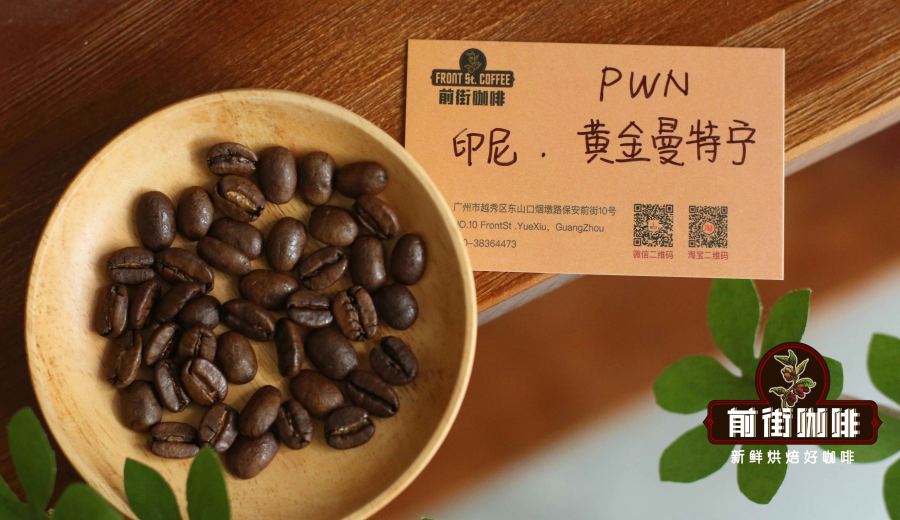
Introduction:Golden Mandheling G1 is considered by many coffee enthusiasts to be the representative of premium Indonesian beans, but its grade definition and actual flavor profile often cause confusion. This article delves into Indonesia’s coffee grading system, helping you understand the defect rate, bean size, and screening standards behind G1, while also detailing the pour over flavor profile of Golden Mandheling—from spices and nuts to layers of caramel aroma. Additionally, it provides recommended brewing methods and parameter suggestions to help you better grasp the charm of this classic bean.
When it comes to “Golden Mandheling,” many coffee lovers immediately think of its rich flavor with a unique spicy note, but not everyone truly understands the meaning of the “G1” grade designation. In fact, this grade is not just a symbol of quality but also represents a series of rigorous screening and grading standards. To understand Golden Mandheling, we must start with an important player in Indonesia’s coffee industry—the PWN company.
PWN, short for Pwani Coffee Company, is a highly representative high-end green bean supplier in Indonesia, long specializing in sourcing top-grade Mandheling green beans from multiple well-known producing regions. The Mandheling beans produced under its brand generally meet specialty-grade standards, and the widely known “Golden Mandheling” is a flagship product of PWN. These beans undergo three rounds of manual selection and one round of machine screening from harvest to export, with only those that are round in appearance and completely free of defects being retained—hence the name “Golden.”
If you’re trying Indonesian coffee for the first time, you might consider starting with the more cost-effective Lintong Mandheling. This bean is mostly processed using the wet-hulled method and roasted dark, offering a pronounced herbal and spicy character with a clean, sweet aftertaste. It makes a great everyday drinking bean and helps build a foundational understanding of Mandheling flavors.
So why is Indonesia’s coffee grading system so complex? In fact, it’s closely related to the diversity of local coffee varieties and processing methods. Indonesian coffee grading is primarily based on the ratio of defective beans, supplemented by criteria such as bean size and the number of hand-sorting rounds. Generally, it is divided into six grades from G1 to G6, with G1 having the lowest defect rate and the highest quality.
The calculation of defect rate is usually based on the number of unacceptable defective beans in every 300 grams of green beans. The standard for G1 is extremely strict, often allowing no more than 10 defects or even fewer, ensuring that every bean is nearly perfect. In addition, some high-quality Indonesian beans also indicate screen size, such as the commonly seen 17 or 18, which means the beans are of uniform and relatively large size, aiding even heat distribution during roasting and further improving extraction consistency.
Beyond defect rate and bean size, some specialty-grade Indonesian coffees also specify “Double Picked” (hand-selected twice) or “Triple Picked” (hand-selected three times), indicating multiple rounds of manual sorting. This process is especially important for wet-hulled beans, as this processing method can easily create cracks or damage during husking, leading to off-flavors. The more rounds of hand selection, the stricter the quality control and the greater the assurance of a pure final flavor.
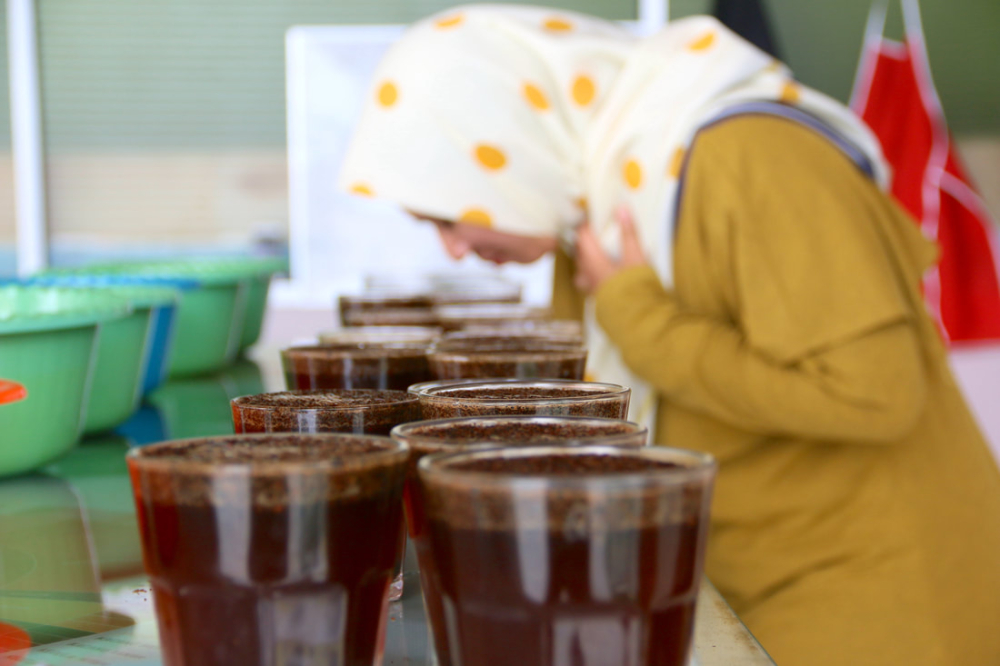
High-quality Golden Mandheling typically undergoes triple hand selection along with one round of machine screening to ensure that every green bean entering the roasting stage is nearly flawless. This meticulous selection allows the brewed coffee to showcase a complex aroma of spices, herbs, caramel, and nuts, while retaining the deep, muted earthiness unique to the wet-hulled method, resulting in a layered and richly flavored cup.
In terms of taste, Golden Mandheling is often described as full-bodied yet clean, with sweetness from brown sugar and nuts running throughout, and a chocolatey finish in the aftertaste. Its overall balance is excellent. These flavor characteristics make it suitable not only for pour over but also for brewing with a moka pot, home semi-automatic coffee machines, French press, or even siphon brewers.
If you’d like to try pour over Golden Mandheling at home, it is recommended to use beans roasted to a medium-dark level, with grind size adjusted to medium-fine (e.g., for a V60 filter, set it slightly coarser than table sugar). Water temperature should be controlled between 90–92°C. Using a step brewing method can better extract the details of its spice and sweetness while avoiding over-extraction that could bring unwanted astringency.
In summary, Golden Mandheling G1 is not just a grade designation but the result of exquisite craftsmanship and rigorous selection. From PWN’s green bean quality control, through multiple rounds of hand selection, to the multi-layered flavors revealed after brewing, this classic Indonesian coffee is worthy of in-depth exploration and enjoyment, whether you’re a beginner or a seasoned coffee enthusiast.
The above content is compiled by CoffeeHunters, a coffee news website.


