







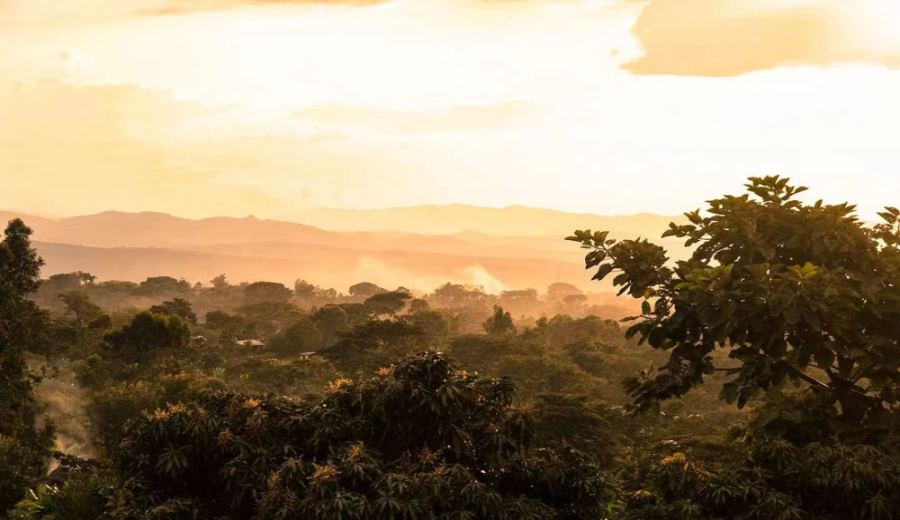
Introduction:As a genetic treasure trove of coffee, Ethiopia boasts nine renowned growing regions and four traditional farming systems, each harboring unique flavors and processing characteristics. This article delves into the geography, processing methods, and typical flavor profiles of regions such as Yirgacheffe, Sidamo, and Harrar, while also providing practical pour over recommendations and parameter settings to guide you through the diverse landscape of this "birthplace of coffee."
Known as the birthplace of coffee, Ethiopia not only possesses the world’s richest coffee genetic diversity but also features four traditional farming models—forest, semi-forest, garden, and plantation—nurturing nine highly representative specialty coffee regions. From the world-famous Yirgacheffe to the bold-flavored Harrar, and the consistently reliable Sidamo, each region showcases distinct cup characteristics shaped by its unique geography, climate, and processing techniques.
These regions not only excel in flavor diversity but also differ greatly in their cultivation and harvesting practices. Forest coffee typically grows in protected natural forests and is handpicked by specialists; semi-forest coffee involves farmers pruning trees to regulate sunlight and maintain optimal yields; garden coffee is the most common form, where smallholders often intercrop coffee with other plants such as ensete, creating distinctive layered farms; plantations are managed by state-owned entities with the goal of large-scale, stable production.
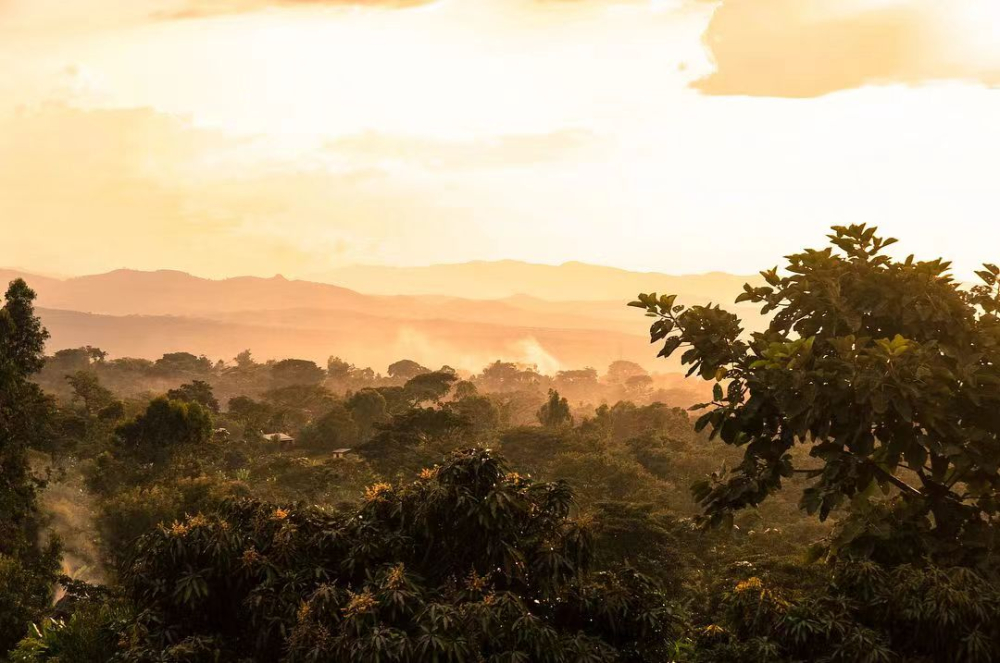
The country’s nine main specialty and commercial regions include Gimma, Sidamo, Yirgacheffe, Harrar, Limu, Illubabor, Gimbi (also called Lekempti), Teppi, and Bebeka, along with smaller-scale areas around Lake Tana. These regions span from the west and center to the east, with elevations ranging from 500 meters to over 2,400 meters, resulting in an exceptionally broad spectrum of Ethiopian coffee flavor profiles.
Located in central Ethiopia, Yirgacheffe and Sidamo are often the first choices for coffee enthusiasts exploring Ethiopian flavors. Originally part of Sidamo, Yirgacheffe was later designated as a separate region due to its distinctly unique characteristics. It is further divided into sub-regions such as Wenago, Kochere, Gelena, and Abaya. With elevations between 1,700 and 2,400 meters, it primarily employs the garden farming system, and both its washed and natural beans are widely praised. Recently, some processing facilities have also introduced honey-processed versions, offering more flavor variations.
Cupping records from a well-known coffee brand show that Yirgacheffe coffees typically exhibit prominent citrus acidity paired with soft floral, green tea, and caramel notes, often finishing with almond-like nuttiness and a tea-like aftertaste. Take the renowned "Kochere Cooperative" as an example: its washed beans, after proper resting, can produce a brew with clear lemon, black tea, honey, and subtle oolong aromas when brewed using a V60 filter, at 92°C water temperature, with 20-number sieve, 80% sifted fine grind, and a 1:15 coffee-to-water ratio using a three-stage extraction method—perfectly highlighting its floral and fruity profile.
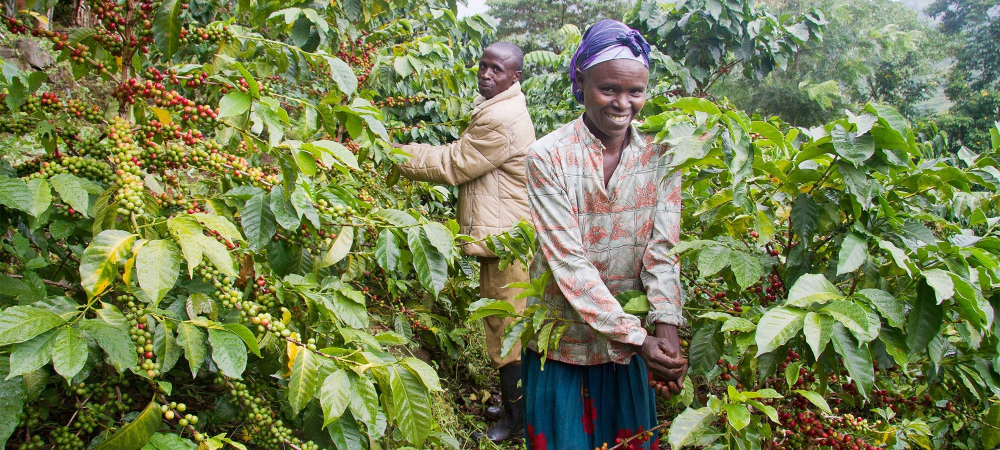
Sidamo shares similar geography and climate conditions with Yirgacheffe and also mainly uses the garden farming system, at altitudes of about 1,400 to 2,200 meters. The coffee produced here shares Yirgacheffe’s bright fruit acidity and rich floral notes, but the overall mouthfeel is often more full-bodied, sometimes resembling the dense fruit pulp of berry juice. Common varieties such as Kurme, Wolisho, and Deiga each showcase different flavor traits and adaptability, with Wolisho—due to its tall plant stature and strong disease resistance—often serving as the base variety for premium natural series.
The Limu region is relatively niche, mainly exporting to European and American markets, with elevations ranging from 1,200 to 2,000 meters and processing methods including washed, natural, and honey. The acidity of Limu coffee remains clear, but its body and floral expression are slightly less pronounced compared to Yirgacheffe and Sidamo, though it offers unique notes of grassiness and brown sugar, making it suitable for consumers who prefer a lighter cup.
The Harrar region, located in eastern Ethiopia at elevations of 1,500 to 2,400 meters, is famed for its natural processing method and is one of the country’s most representative sources of “complex fruity” flavor profiles. Due to low annual rainfall, the area almost exclusively uses sun-drying techniques, contributing to its bold and uniquely fermented flavor characteristics. Harrar coffees often feature berries, fermented fruit aromas, and a soft creamy texture, but due to significant internal variations within the region and an incomplete grading system, it is advisable to cup or sample before purchasing.
As for Gimma and Illubabor, these two regions primarily supply commercial-grade beans, with Gimma alone accounting for one-third of the country’s total exports. Gimma, being close to the Kaffa forest, has a large population of wild heirloom varieties, though most commercial beans are multi-variety blends that can obscure the subtle traits of individual cultivars. Even so, some washed Gimma specialty beans still exhibit clean and bright flavor profiles, akin to Central American styles, making them suitable as blend components or daily drinkers. Illubabor, near the Sudanese border, produces larger beans with low acidity but balanced body, and is a common inclusion in many blended recipes.
Regions such as Gimbi (or Lekempti), Teppi, and Bebeka mostly sit between 500 and 1,900 meters in elevation and are also primarily geared toward commercial production. Some of these areas retain garden systems while gradually adopting garden-style management to improve smallholder incomes. Though their overall flavors may not be as vibrant as those of central regions, their low acidity and stable fruit tones still make them essential base components in many coffee blends.
Additionally, the Lake Tana region, though not mainstream, is rich in cultural heritage due to the historical presence of Eastern Orthodox monasteries nearby. It produces only a small amount of forest coffee, under 10 tons annually, which is collectively sold by local cooperatives or villages after harvest. This region carries a unique “sacred atmosphere,” making it an alternative and highly localized specialty area.
In summary, the charm of Ethiopian coffee stems not only from its ancient genetic library but also from its diverse farming environments, meticulous processing techniques, and varied altitude conditions. Whether you’re a beginner just starting with pour over or a seasoned connoisseur seeking deeper flavor dimensions, you’ll find your own “kingly cup” in this land.

The above content is compiled by CoffeeHunters, a coffee news website.


