







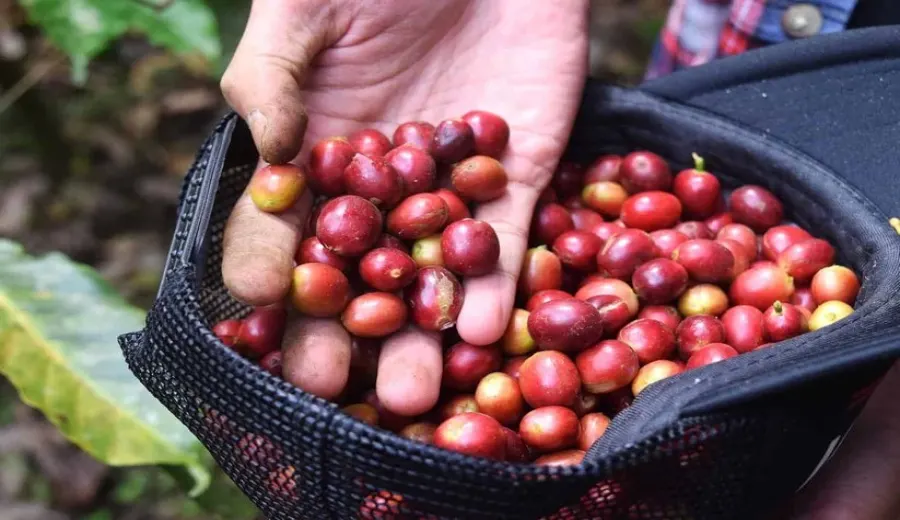
Introduction:Lintong Mandheling, as a classic Arabica representative from Sumatra, is renowned for its intense herbal and caramel aromas. This article delves into the characteristics of its growing region and the wet-hulling processing method, and provides professional-grade parameters such as coffee-to-water ratio, water temperature, and grind size for four common brewing methods—pour over, AeroPress, siphon, and French press. It also includes practical step-by-step guides and flavor-focused recommendations to help you adjust your technique based on equipment features, avoid over-extraction pitfalls, and brew a rich and balanced classic Mandheling flavor.
When it comes to coffee from Sumatra, Indonesia, “Mandheling” is almost synonymous with quality and flavor, and among them, Lintong Mandheling is a classic representative of traditional Arabica. This coffee, originating from the Lintong region in northern Sumatra, owes its unique flavor profile of intense herbs, caramel, and nuts to its distinctive wet-hulling processing method and high-altitude environment. Whether you're a beginner or a seasoned coffee enthusiast, mastering the correct brewing techniques will allow you to easily enjoy this bold flavor from the equatorial rainforest.
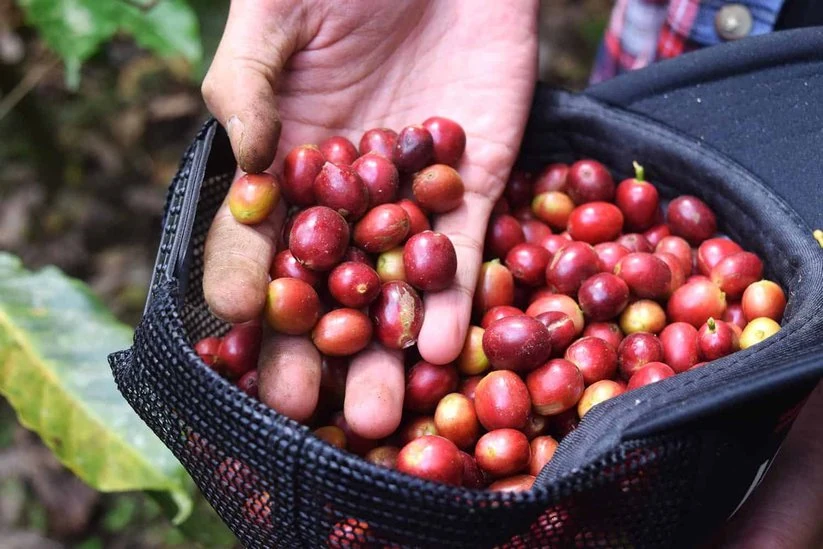
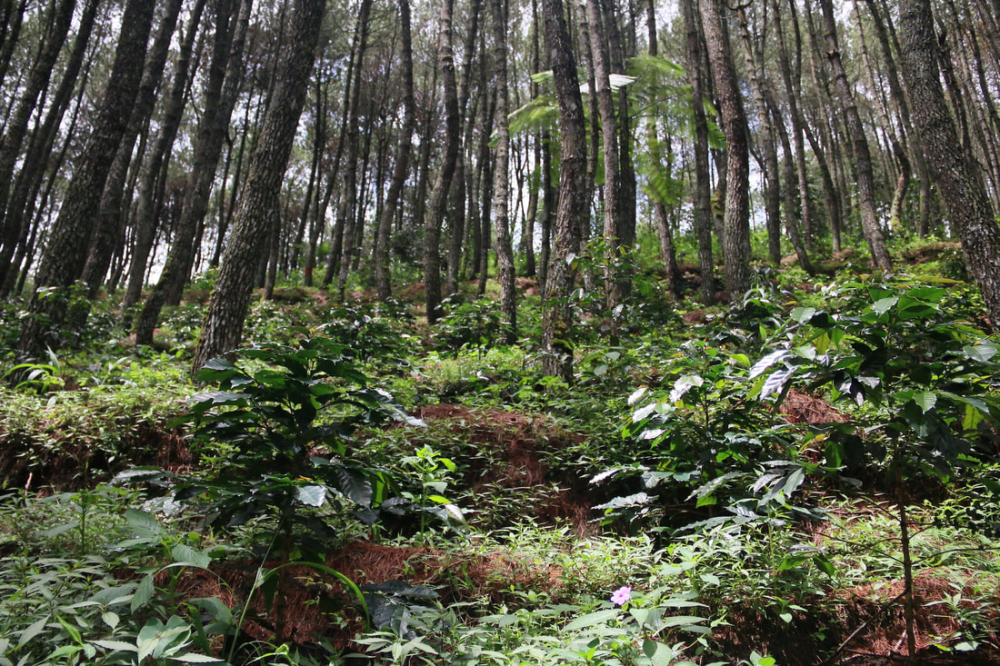
As the largest island in Indonesia, Sumatra straddles the equator and features a typical tropical rainforest climate, with high temperatures, humidity, and abundant rainfall year-round, providing ideal growing conditions for Arabica coffee. However, due to altitude limitations, only a small portion of Indonesia is suitable for cultivating premium Arabica, with only about a quarter of the coffee beans being Arabica varieties, the rest mostly being Robusta adapted to lower altitudes. The Lintong region is located in northern Sumatra, near the famous Lake Toba, at elevations between 1400 and 1800 meters, primarily cultivating varieties such as Jember, Garundang Typica, and Ateng, among which Lintong Mandheling is the most well-known.
Strictly speaking, Lintong Mandheling refers to coffee grown in a small area southwest of Tobahu in the Lintong administrative region. However, with market segmentation, recent years have seen the emergence of regional names such as Sidikalang (abbreviated as SDK Mandheling), and the scope of the term "Lintong" has gradually narrowed, mainly referring to the area around Lintongnihuta. The coffee here is mainly medium to dark roasted, delivering a rich and layered flavor profile.
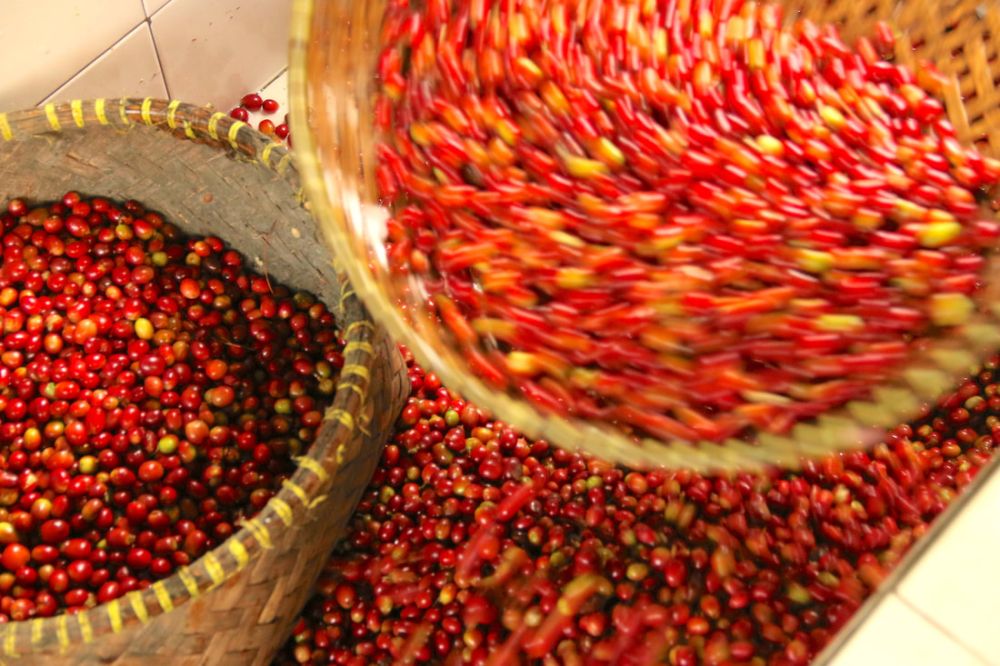
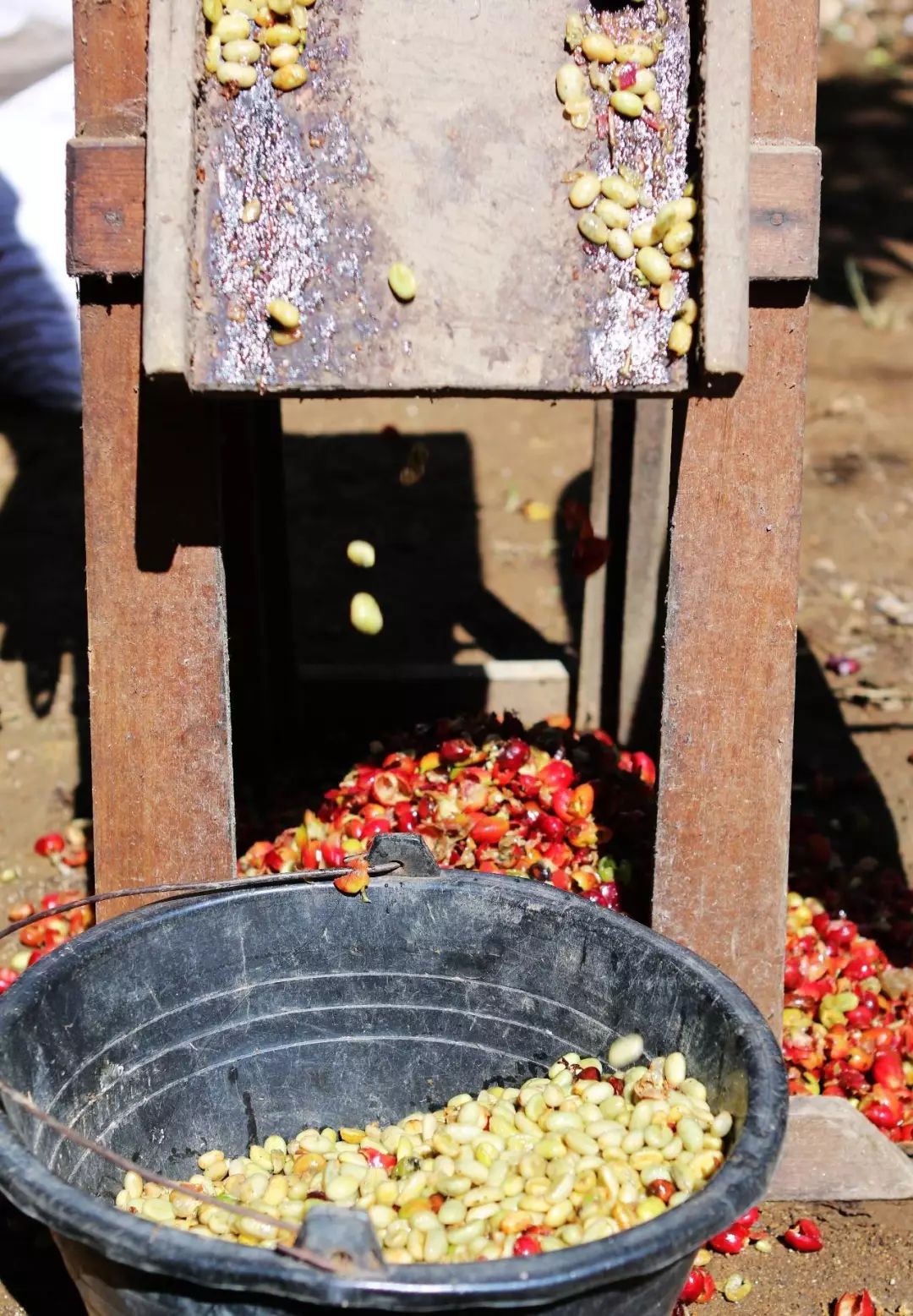
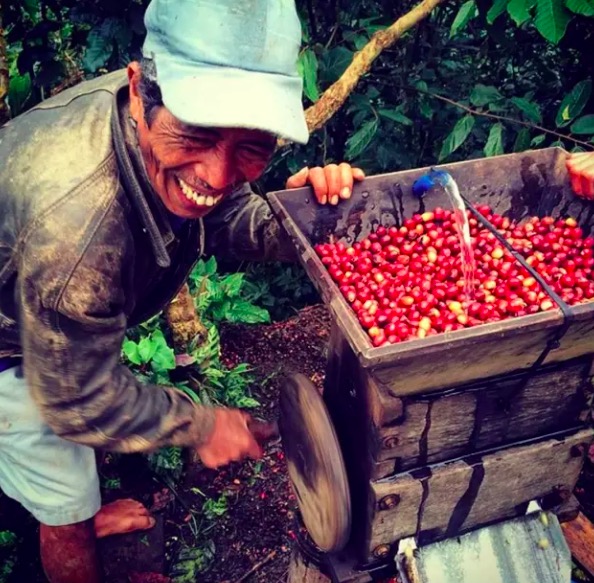
The unique flavor of Indonesian coffee is largely attributed to its distinctive “wet-hulling” processing method. Due to the region’s rainy climate and frequent typhoons, prolonged sun drying is difficult, and economic constraints make traditional washed processing relatively costly. As a result, this processing method was developed, combining pulping, fermentation, partial drying, and then removal of the mucilage layer. Wet-hulling generally involves two stages: first, using a wooden pulper to remove the skin and pulp, fermenting for about 3 hours, and then drying until the moisture content drops to 30%–50%; next, removing the mucilage and parchment layers, continuing to dry for 2–4 days, and finally controlling the moisture content at 12%–13%. Additionally, there is “aged wet-hulling,” where processed coffee beans are sealed for 2–3 years, allowing acidity to transform into sweetness, resulting in a rounder flavor—marketed as aged Mandheling.
To brew a flavorful cup of Lintong Mandheling, the key lies in adjusting parameters according to the equipment used. Below are practical settings and operational details for four common brewing methods to help you explore the diverse charms of this coffee.
Pour Over: KONO Filter, Highlighting Layered Details
It is recommended to use a KONO filter, with a coffee dose of 15 grams, a coffee-to-water ratio of 1:15, a water temperature of 86–87°C, and a grind size of about BG#6W (medium-fine). The brewing process is divided into three pours: the first pour adds 30 grams of water for a 30-second bloom; the second pour uses a small stream in a circular motion to reach 125 grams, then pauses until the water level drops just before exposing the coffee bed; the third pour continues to 225 grams before removing the filter, with a total extraction time of about 2 minutes. This method highlights herbal, dark chocolate, and caramel notes, with a sweet aftertaste.
AeroPress: Positive Pressure Extraction, Highlighting Spices and Woody Aromas
When using an AeroPress, it is recommended to choose medium-dark roasted beans, with a coffee dose of 20 grams, a coffee-to-water ratio of 1:17, a water temperature of 85°C, and a grind size of about Small Fuji 3.5 (medium-fine to fine). The process is in two stages: first, add 100 grams of 83°C hot water, gently stir 3–5 times to wet the coffee grounds, then let it sit for 20 seconds; next, add the remaining hot water to reach 240 grams, let it sit for 40 seconds, then gently stir for 5 seconds, and press down at 1 minute 50 seconds, with a total time of about 2 minutes 5 seconds. This method enhances spicy and woody aromatic notes, delivering a rich and layered flavor profile.
Siphon: Side-Flame Extraction, Combining Herbal and Caramel Sweetness
Using a Hario siphon, it is recommended to use 20 grams of coffee for a two-cup serving, with a coffee-to-water ratio of 1:12, a water temperature of 90°C, and a grind size of Small Fuji 3.5 (medium-fine). Employ the post-addition method: once the water in the lower chamber boils and bubbles form, add the coffee grounds, gently stir 4–5 times, extract for about 30 seconds, then turn off the heat, stir 2 more times, and wait for the coffee to naturally descend. This method brings out a rounded, rich herbal aroma and pronounced caramel sweetness, with bitterness that is relatively prominent but balanced.
French Press: Simple Operation, Excellent Rich Crema
When using a French press, it is recommended to use 20 grams of coffee, a water temperature of 92–93°C, and a coffee-to-water ratio of about 1:15 (approximately 300 ml), with a grind size of Small Fuji 4.5 (medium-coarse). After pouring hot water, start the timer, cover with the lid but keep the filter at the highest position, let it steep for 2 minutes 30 seconds, then slowly press down the filter. This method extracts a balanced and rich taste, with full crema and a subtle sweetness, making it suitable for those who prefer simple operation and a full-bodied flavor.
Overall, if you’re trying to brew Lintong Mandheling at home, it is recommended to start with pour over and AeroPress, as these methods allow more precise control over water temperature, grind size, and extraction time, showcasing its core bold and mellow flavors. While siphon and French press can also highlight distinctive characteristics, they are more prone to over-extraction, leading to acidity or bitterness, so special attention should be paid to parameters and brewing details. By adjusting grind size and water temperature, you can also find the Lintong Mandheling brewing style that best suits your taste.
The above content is compiled by CoffeeHunters, a coffee news website.


