







Introduction:The Golden Mandheling from Sumatra, Indonesia, is renowned for its rich, bold flavor and low acidity with a sweet aftertaste, making it a classic choice for dark roast enthusiasts. This article delves into the origins of the Golden Mandheling produced by PWN, as well as Indonesia’s G1 to G6 coffee grading standards. From the growing environment and processing methods to bean selection techniques and how to identify authentic beans, you’ll gain a comprehensive understanding of this classic bean’s characteristics and selection tips.
When it comes to dark roast coffee, Mandheling from Sumatra, Indonesia, is often the top choice for many coffee lovers. This coffee boasts a bold, full-bodied flavor with unique herbal and earthy notes. Though distinctly bitter, it has an excellent sweet finish and extremely low acidity, making it ideal for those who enjoy robust flavors. If you haven’t tried this classic profile yet, take some time to explore its background and characteristics.
The name “Mandheling” actually stems from a misunderstanding. During World War II, a Japanese soldier in Indonesia tasted an exceptionally good cup of coffee and asked the shopkeeper what kind of coffee it was. The shopkeeper misunderstood the question as being about where he was from and answered “Mandailing.” After the war, the soldier recalled this coffee he called “Mandheling” and introduced it to the Japanese market, from which the name gained widespread popularity. In reality, Mandheling is not a region, variety, or port name, but a misheard transliteration of the Mandailing ethnic group in Indonesia.
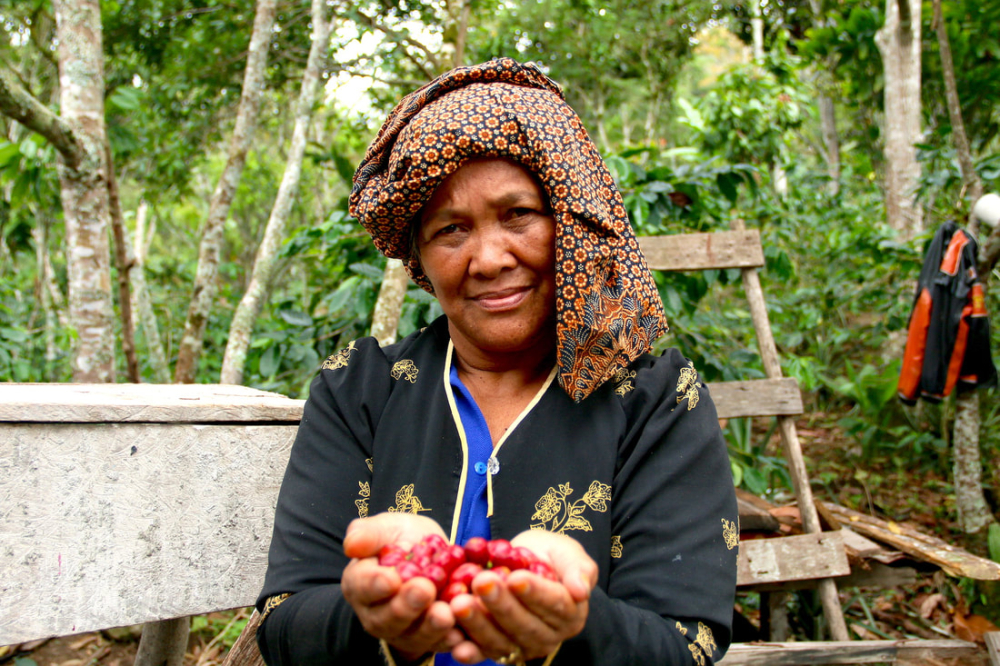
This coffee is primarily grown in Aceh Province in northern Sumatra, Indonesia, especially in the Gayo highlands. The altitude here ranges between 1,100 and 1,600 meters, and the high elevation helps the coffee cherries ripen slowly, allowing them to develop more complex flavor compounds. Mandheling is typically processed using the wet-hulled (giling basah) method, which accelerates the drying process while imparting distinctive spicy and herbal notes—a hallmark characteristic of Sumatran coffee.
Among the many Mandheling offerings, the Golden Mandheling produced by PWN stands out due to its strict selection process and consistent quality. PWN is Indonesia’s state-owned premium coffee supplier, and its Golden Mandheling undergoes three rounds of manual sorting, selecting only G1 grade beans with minimal defects. This results in a consistently rich, full-bodied, and uniform flavor profile.
Although the term “Golden Mandheling” originated from its marketing in the Japanese market, the trademark “Golden Mandheling” is registered and owned by PWN. As a result, only a specific grade of Mandheling produced by PWN can be rightfully called “Golden Mandheling.” It’s worth noting that due to high market demand, there are now many imitations on the market. Though they may look similar, their flavor complexity and purity are noticeably inferior, so consumers should be careful when identifying the real thing.
Indonesia’s coffee grading system is primarily based on the number of defective beans, with bean size also used as a reference. Using 300 grams of green beans as the testing unit, the fewer the defects, the higher the grade. There are six grades in total, ranging fromG1 as the highest grade. In addition to defect rates, official regulations also stipulate that green coffee moisture content must not exceed 12.5%, impurity levels must be below 0.5%, and no live insects or moldy beans are allowed.
On the burlap sacks of Indonesian exported green coffee, information such as the country of origin, grade, and supplier is usually clearly labeled. For authentic PWN Golden Mandheling, for example, the sack will be printed with the words “PWN GOLDEN MANDHELING TRIPLE PICKED Grade 1 PROD OF INDONESIA 30KGS NET,” indicating that the beans have undergone three rounds of hand sorting, are of G1 top grade, are produced in Indonesia, and each sack weighs 30 kilograms net. Furthermore, PWN goes a step further on the G1 base by implementing one machine sort plus three rounds of hand sorting to ensure that every bean meets extremely high standards in both quality and appearance.
If you’re planning to purchase or taste this classic bean, here are a few recommendations to keep in mind: check whether the packaging labels are clear and complete, smell the green beans for a fresh herbal or light caramel aroma, and observe whether the roasted beans have an even color and intact appearance. Additionally, it’s recommended to brew using a medium-dark to dark roast profile. For pour over, use water at 90–93°C and a grind size slightly coarser than medium-fine to fully highlight its low acidity, full body, and unique spicy finish.
The above content is compiled by CoffeeHunters, a coffee news website.


