








Introduction:Do you know why specialty coffee shops always emphasize “100% Arabica”? In fact, the difference between Arabica and Robusta goes far beyond just price. From growing altitude and disease resistance to caffeine and sugar-to-fat ratios, these two major coffee varieties differ significantly in their botanical nature and brewing results. This article will take you from seed to cup, using a scientific perspective and practical pour-over parameters to help you grasp the key distinctions between the two types of coffee, with real bean examples demonstrating flavor differences.
Coffee, this globally beloved beverage, mainly comes from two primary varieties under the Rubiaceae family—Arabica (Coffea arabica) and Robusta (Coffea canephora). Although botanically part of the same family, these two coffees differ greatly in appearance, flavor, adaptability, and chemical composition. Understanding these differences not only helps consumers choose the right beans for them but also allows for a deeper appreciation of coffee’s diversity.
Walking into a coffee shop, it’s common to see signs that say “100% Arabica.” But what does that mean? Arabica beans are often regarded as the hallmark of high-quality coffee, but are they truly superior to Robusta in every way? In fact, the two have their own strengths and weaknesses in terms of plant characteristics, growing conditions, chemical makeup, and final flavor. Below, we’ll delve into the essential differences between these two types of coffee and supplement the analysis with actual pour-over test parameters, giving you a more comprehensive understanding from bean to flavor.
Let’s start with the growing environment. Robusta is an extremely hardy variety that thrives well at low altitudes of 200 to 800 meters. It has relatively lenient requirements for climate and environment, making it suitable for tropical regions. In contrast, Arabica is very particular about its environment, with the ideal growing altitude being 1,000 to 2,000 meters, and the annual average temperature needing to be maintained between 18–21°C. While it can tolerate temperatures of around 24°C, going beyond this range can severely impact quality. Additionally, Arabica yields less per unit area than Robusta, and its cultivation cost is naturally higher, which is one of the key reasons for the price difference in the market.
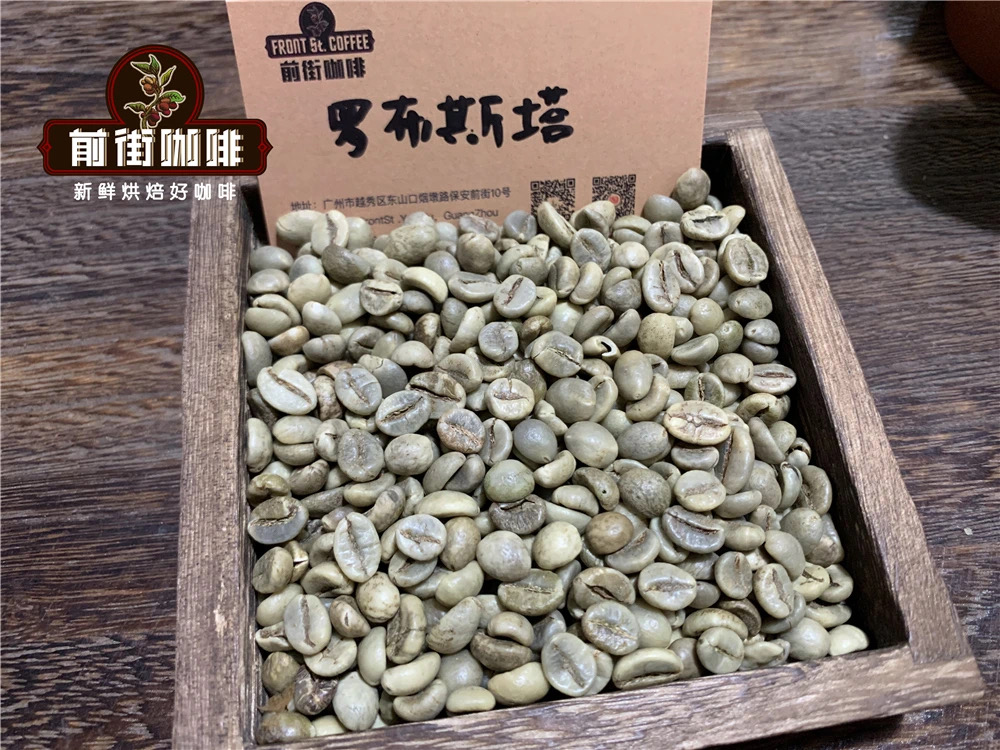
Next, let’s look at the appearance differences.Arabica green beans are usually smaller, oval and slightly flat in shape, with a midline that shows a distinct S-curve, giving them an overall slender and delicate appearance.Robusta green beans, on the other hand, are rounder, with contours closer to a C-shape, a straighter midline that resembles the shape of the number “1,” and often a yellowish-brown bean color. Although roasting causes both to change in appearance due to expansion, the green bean stage remains the most reliable time to identify the variety. However, it’s worth noting that the darker the roast, the less noticeable the midline features become, making identification more difficult.
In terms of chemical composition,Robusta contains about 2.7% to 4% caffeine, roughly twice that of Arabica, along with a higher concentration of chlorogenic acid (CGA). These components are the plant’s natural defense mechanisms against pests and diseases, but they also bring a stronger bitterness and coarser mouthfeel. Therefore, Robusta is often used in instant coffee or espresso blends to add intensity and body. In contrast,Arabica has lower caffeine content, but significantly higher levels of lipids and sugars—the former nearly 60% higher and the latter almost double that of Robusta. These compounds transform into various aromatic substances during roasting, resulting in a richer, smoother, and more diverse flavor profile.
Another noteworthy difference lies in the pollination method.Arabica is a self-pollinating plant, which means it has high genetic stability and a low probability of mutation, leading to more consistent variety traits. Robusta, however, is cross-pollinated, with greater genetic diversity, enabling it to better adapt to different environmental challenges. Moreover,Robusta shows significantly stronger resistance to pests and diseases than Arabica, not only because of its higher caffeine content providing natural protection, but also due to its growth in hot, low-altitude environments where many pests struggle to survive, further reducing the likelihood of disease.
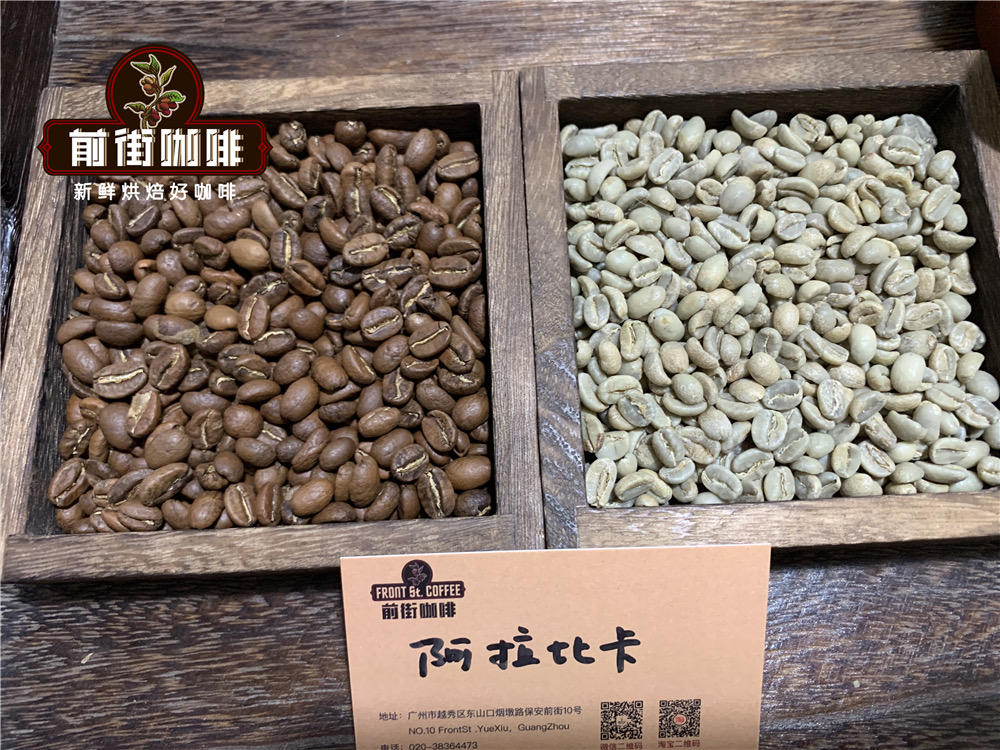
Perhaps the most intuitive difference lies in flavor performance.Robusta often has pronounced earthy notes, nutty aromas, or nuttiness, occasionally also presenting a rich chocolate and nutty depth. But if the quality is poor, it may also carry unpleasant off-flavors. In contrast,Arabica boasts a much broader flavor spectrum, ranging from floral and citrus notes to berries and caramel or honey, with layers that are varied and delicate, commonly found in specialty coffee. While origin, processing methods, and roast level all influence the final flavor, the inherent traits of the variety itself remain key to defining the coffee’s character.
Taking real pour-over examples, such as a certain coffee brand’s Costa Rica Blueberry (anaerobic heavy honey process), which showcases highly distinctive characteristics:Brewed using a V60 dripper, with a water temperature of 90-92°C, a dose of 15 grams, a brew ratio of 1:15, and medium-fine grind (80% through a #20 sieve). The pour-over starts with a 30-second bloom using 30 grams of water, followed by pouring in small streams in circular motions centered until reaching 125 grams for the first pour. When the water level is about to uncover the coffee bed, continue pouring to 225 grams to finish, with a total extraction time of about 2 minutes. This coffee has a dry aroma with prominent rose floral notes, an intense blueberry fermentation burst in the cup, and a refreshing minty aftertaste, making it perfect for summer enjoyment.
Another example is a certain coffee brand’s Guatemala Flora, which presents a completely different flavor profile:The first impression is citrus and berry tones, followed by smoky and light chocolate aromas, with clear layers and dynamic variation. These differences stem not only from the variety but are also deeply influenced by processing methods and the microclimates of the origins.
Of course, coffee flavor isn’t determined solely by the variety. Processing methods (such as natural, washed, anaerobic), roast level, brewing style, and parameter adjustments all play crucial roles in the final cup. But by understanding the basic characteristics of Arabica and Robusta, you can make more informed choices aligned with your taste preferences, and fine-tune optimal parameters when brewing to fully unlock the potential of each coffee bean.
The above content is compiled by CoffeeHunters, a coffee news website.


