








Introduction:The moka pot is one of the most commonly used brewing tools for those who enjoy espresso-style coffee at home. With a simple structure, it can deliver an extraction effect similar to that of a professional espresso machine. This article starts with the basic construction and principles of the moka pot, then gradually explains the correct operation process, coffee bean selection advice, and how to use it safely to avoid explosion risks. It even shares practical single-serve brewing tips, providing useful guidance for both beginners and experienced coffee enthusiasts.
As a classic home coffee appliance for making espresso-style coffee, the moka pot has long been favored by many coffee lovers for its simple design and rich flavor. Not only is it portable, but it also offers relatively intuitive operation. Even beginners can quickly master the basics and brew coffee with thick crema and deep flavors in a short time.
Understanding the structure of the moka pot is the first step to using it correctly. It mainly consists of three parts: the lower chamber holds water, the middle filter basket is for coffee grounds, and the upper chamber collects the brewed coffee. When heated, the water in the lower chamber turns into steam due to the high temperature, creating pressure that pushes the hot water upward through the central metal tube, passing through the coffee grounds in the filter basket, and finally dripping into the upper chamber to form concentrated coffee.

Due to the pressure and high temperature of this brewing method, the resulting coffee usually has a higher concentration and a richer body, making it suitable for those who prefer strong flavors. However, drinking it directly may be too intense for some people. It is recommended to adjust the taste according to personal preference by adding water or fresh milk to create variations like Americano or latte, which helps balance the overall flavor and highlights the unique aroma of the coffee beans.
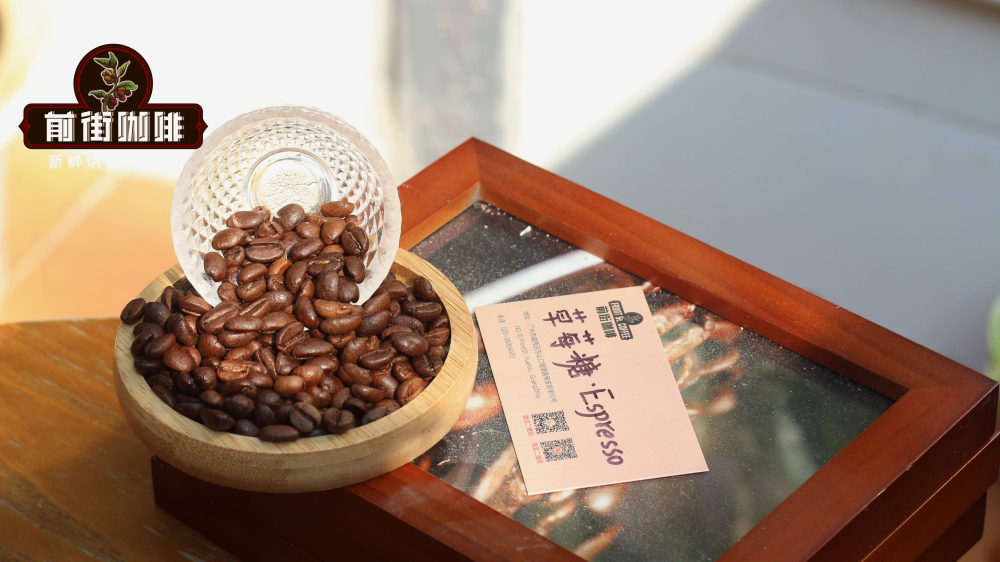
To fully showcase the characteristics of the coffee using a moka pot, it is recommended to choose medium to dark roasted beans, as these typically have more concentrated flavors and rich crema. For example, if you prefer a bold flavor with notes of chocolate and caramel, you might consider a blend featuring dark chocolate, caramel, and roasted hazelnut notes. If you're looking for a stable profile with low acidity, dark roast beans with layers of spice, nuts, and sandalwood are also a good choice. For those who enjoy fruity profiles, blends with distinct berry and floral notes can add an interesting layer of complexity.

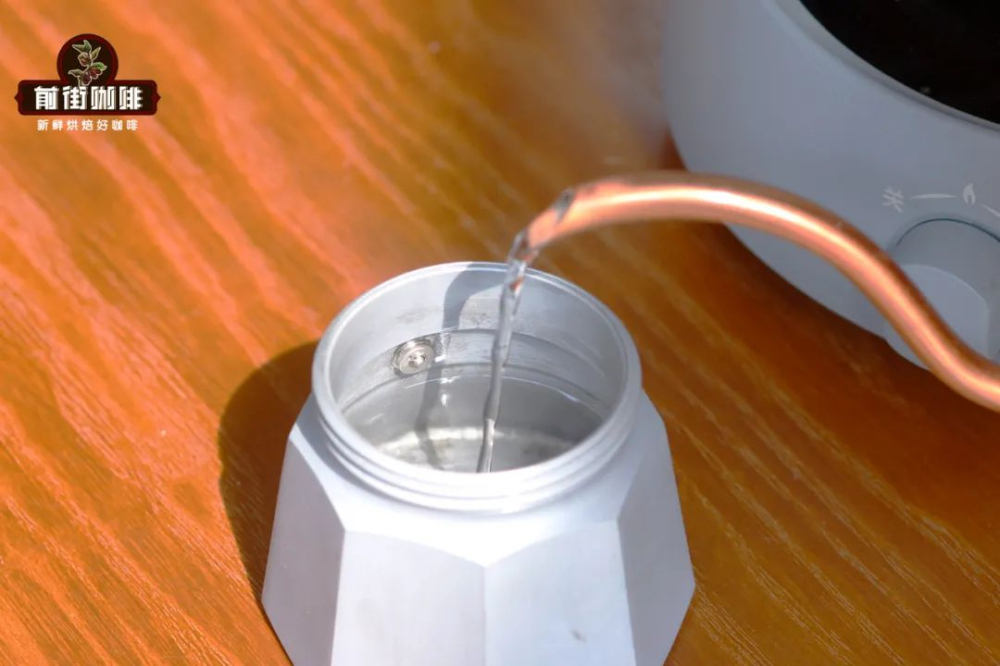
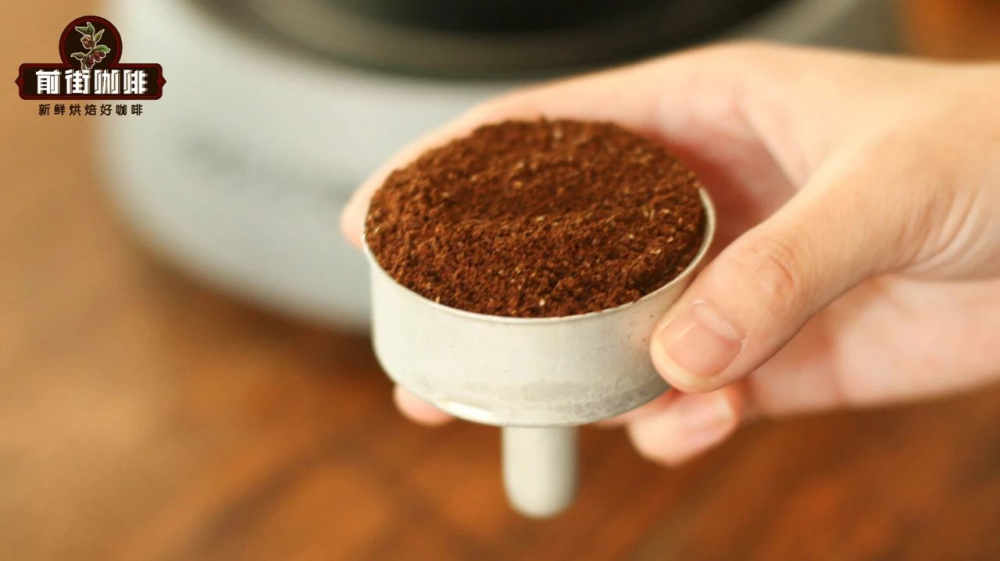
In terms of actual operation, start by pouring warm water into the lower chamber—ideally at a temperature that feels slightly hot to the touch, avoiding excessive heat that could cause premature boiling. Then place the filter basket into the lower chamber and manually fill it evenly with coffee grounds. The ideal state is for the center to be slightly raised like a small mound, with the edges firmly packed without gaps, which helps ensure a stable flow of water. Once filled, simply place the upper chamber on top and tighten it securely to prevent leaks or pressure loss during heating.
Next, place the filled moka pot on an electric stove or gas burner to heat. When you hear a low "hissing" or "whistling" sound, it indicates that pressure is gradually building and the coffee is about to start flowing. At this point, you should immediately turn off the heat and let the remaining pressure naturally push the rest of the coffee into the upper chamber. Generally, when the coffee level reaches about two-thirds of the upper chamber—approximately 60 to 100 milliliters—it means the brewing is mostly complete. You can then remove the moka pot from the heat to avoid over-extraction, which could negatively affect the flavor.

Regarding the safe use of the moka pot, there are several key points that must not be overlooked. Although its structure seems simple, improper operation does carry certain risks. The lower chamber usually has a pressure relief valve, next to which there is a clear marking indicating the maximum water level. Never allow the water level to exceed this mark, as it can interfere with proper venting, prevent pressure from being released, and increase the risk of explosion.
Additionally, observing the flow rate of the coffee is another way to judge whether the extraction is proceeding normally. If the liquid sprays out forcefully, it usually means the heating temperature is too high, and you should reduce the flame appropriately. Conversely, if the flow is too slow, the water temperature may be insufficient, and you can slightly increase the flame—but still remain vigilant to avoid sudden boiling or over-extraction.
The main cause of moka pot explosions is usually poor venting. Avoid packing the coffee grounds too tightly, as this can block the water and gas pathways. Also, never let coffee grounds enter the area around the pressure relief valve, and absolutely do not allow water to flood or block this part. Once pressure builds up excessively due to blocked venting, it could not only cause metal fragments to fly out, but the high-temperature water, coffee, and steam inside the pot could also lead to serious burns. Therefore, always operate with caution and regularly check that all parts are clean and unobstructed.
Finally, remember that although operating a moka pot doesn’t require the precise timing and measurement of a professional espresso machine, you still need to pay attention to basic safety and the condition of the pot. As long as you follow the correct steps, choose the right coffee beans, and pay attention to pressure and heat control, you can easily enjoy café-quality espresso at home. Whether for personal enjoyment or sharing with friends and family, you can showcase a professional-level coffee experience.
The above content is compiled by CoffeeHunters, a coffee news website.


