








Introduction:The golden crema on the surface of an espresso is not just a visual highlight—it’s also an important indicator of extraction quality. What’s the science behind how this layer forms? What factors affect its thickness and appearance? This article dives deep into the composition of crema, the impact of coffee bean variety and roast level, the relationship between extraction pressure and flow rate, and offers diagnostic insights for common issues like thin or missing crema—helping both coffee enthusiasts and professionals master the key elements of extraction.
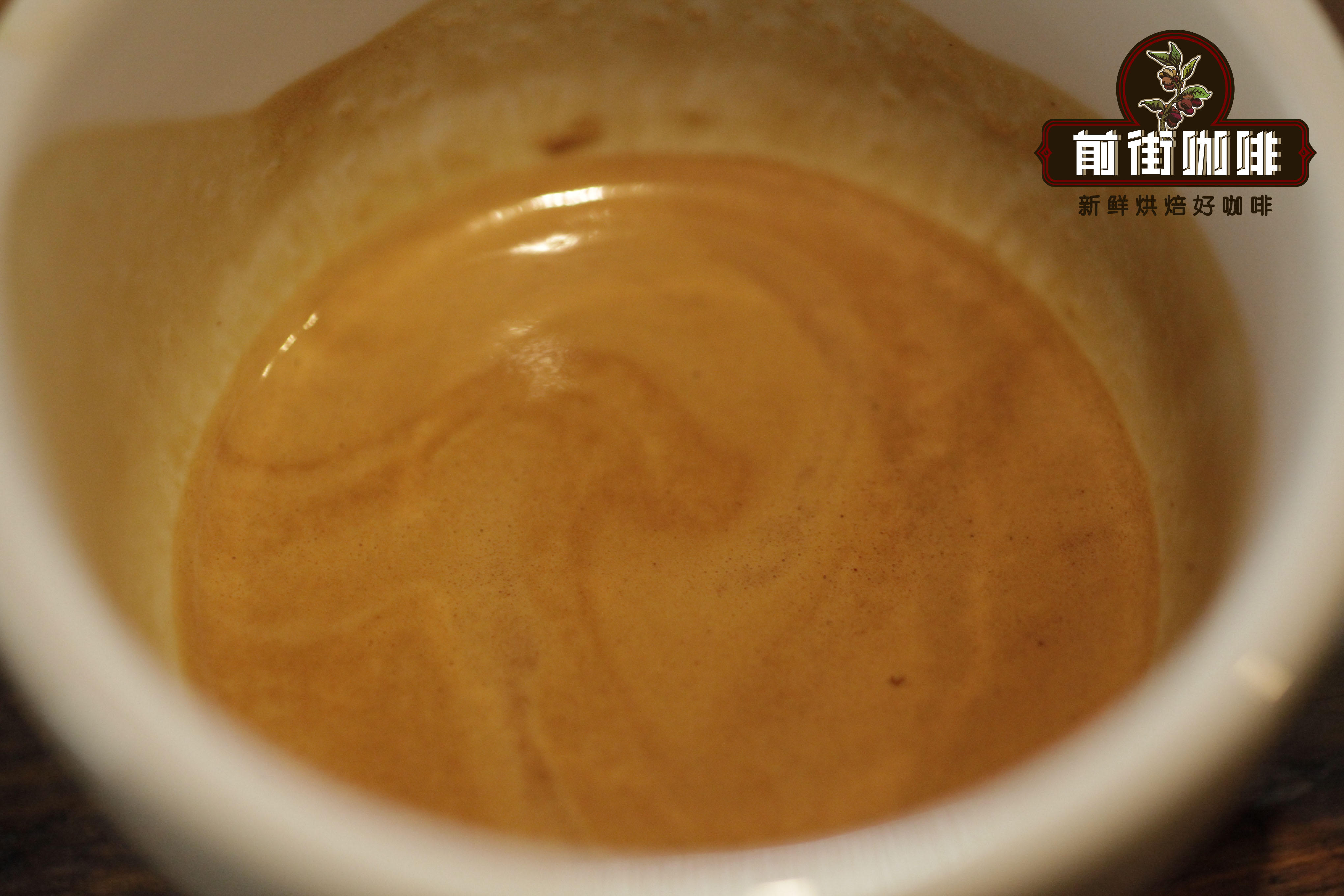
One of the most iconic characteristics of espresso is the layer of golden-colored oil that floats on the liquid’s surface, known in Italian as crema. It’s not only a key element of visual appeal but also a primary benchmark used by many baristas and consumers to judge whether an espresso shot has been successfully extracted. So, what exactly is this layer? How is it formed? And what factors influence its appearance and texture? This article will start with the composition of the crema, breaking down its causes step-by-step, and exploring how various extraction parameters and coffee bean conditions affect it.
What exactly is coffee crema?
Crema mainly consists of two components: carbon dioxide produced during the roasting process of coffee beans, and insoluble oils naturally present in the coffee grounds. During roasting, a significant amount of carbon dioxide builds up inside the coffee bean. When using an espresso machine for high-pressure extraction (typically around 9 bars), these gases cannot escape freely due to the high pressure and instead become overly dissolved in the water. At the same time, the oils in the coffee emulsify under pressure and encapsulate the carbon dioxide. Because the overall density is lower than that of water, these tiny emulsified bubbles gradually rise and accumulate at the surface, forming the familiar golden crema layer.

This crema layer not only affects visual perception but can also reflect, to some extent, the quality and freshness of the extraction. So, what factors influence the appearance and thickness of crema?
I. Coffee Bean Variety and Roast Level
The amount of crema is directly related to the type of coffee beans used. Generally speaking, the darker the roast, the more carbon dioxide and oils are retained inside the coffee bean, which helps create a richer crema. In addition, Robusta beans naturally contain a higher amount of oils, so under the same conditions, using Robusta or blends containing Robusta often results in a thicker crema.
II. Extraction Pressure
Extraction pressure is one of the key parameters affecting crema performance. Most commercial semi-automatic espresso machines have a standard extraction pressure of 9 bars, which helps fully release carbon dioxide and oils, resulting in a dense and long-lasting crema. If the pressure is too low, gases and oils cannot be effectively pushed to the surface, leading to thin crema. Conversely, if the machine has variable pressure capabilities, adjusting the pressure appropriately can further optimize crema performance.
III. Flow Rate and Channeling
An ideal extraction flow rate is an important indicator of whether the grind size and coffee-to-water ratio are appropriate. Typically, after pressing the extraction button, the coffee should begin to drip around the fifth second and maintain a steady flow rate. If the first drop is delayed beyond ten seconds (excluding the pre-infusion phase), it may indicate that the grind is too fine or the tamp is too tight, causing poor water flow. On the other hand, if the coffee flows out too quickly or even sprays, it could mean the grind is too coarse or there’s channeling in the coffee bed, leading to uneven extraction and difficulty in evenly distributing the crema.

Common Crema Issues and Possible Causes
In practice, many baristas or home users often encounter problems with missing or overly thin crema. Here are several common causes and their potential contributing factors:
1. Coffee Grounds Too Coarse
If the grind is too coarse, water flows through too quickly, resulting in under-extraction and a thin crema that may even taste watery. It’s recommended to check the grinder settings and adjust to a finer grind if necessary.
2. Insufficient Extraction Pressure
The pressure required to extract crema is typically 9 bars. If the espresso machine cannot reach this pressure, the release of oils will be limited. It’s recommended to check the machine’s performance or perform a pressure calibration.
3. Coffee Beans Not Fresh Enough
The formation of crema relies on the carbon dioxide in the coffee beans, which naturally dissipates over time. If the beans have been stored for too long, the reduced carbon dioxide content makes it difficult to form a rich crema. It’s recommended to choose coffee beans with a recent roast date and store them properly to maintain freshness.
4. Improper Extraction Parameters
Common espresso extraction recommendations include a coffee-to-water ratio of 1:2 and an extraction time controlled between 25 to 28 seconds. If the ratio or time is off, it may lead to uneven or over-extraction, which in turn affects the quality of the crema.
In summary, the crema (golden layer) of espresso is not just a visual treat—it’s also a crucial indicator of extraction quality. From the choice of coffee beans and roast level, to extraction pressure and flow control, each factor influences the final appearance and taste of the crema. Mastering these variables not only improves the overall coffee experience but also helps you achieve more satisfying results with every shot.
The above content is compiled by CoffeeHunters, a coffee news website.


