







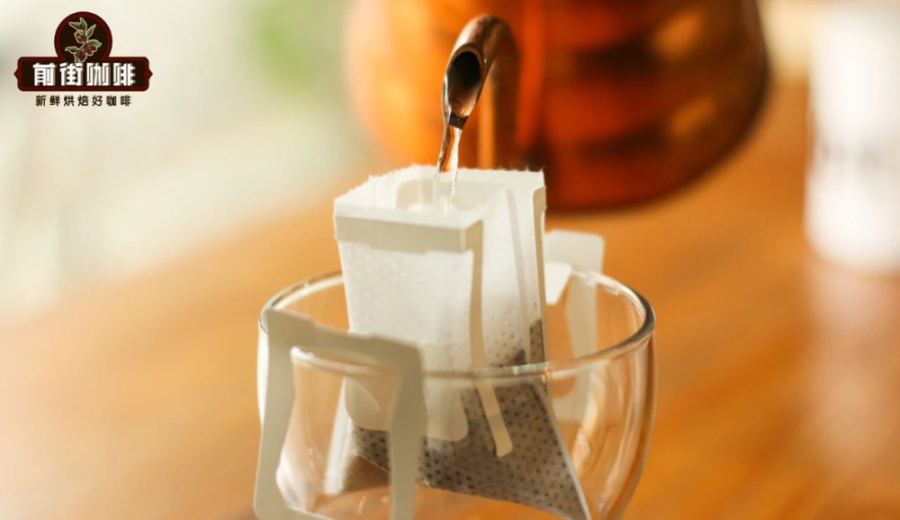
Introduction:Drip bags are an ideal choice for many people to enjoy freshly brewed coffee due to their simple operation and portability. However, pre-ground coffee tends to lose its aroma easily, and the filter bag can restrict water flow. If brewing methods are not carefully followed, it may affect the overall flavor. This article details the correct brewing steps for drip bags, including equipment preparation, pulse pouring, and blooming time. It also analyzes whether multiple brews are possible and how to maintain optimal flavor, while offering practical storage tips to help you brew a rich cup of coffee every time.
Thanks to their simplicity, suitability for travel, and the ability to explore various regions and flavors, drip bags have become a top choice for many coffee enthusiasts in their daily lives or while traveling. However, since most coffee grounds are pre-ground before leaving the factory, their aroma can gradually dissipate during storage. Additionally, the design of drip bag filters limits water penetration. Therefore, brewing a high-quality cup of drip coffee actually requires some technique.
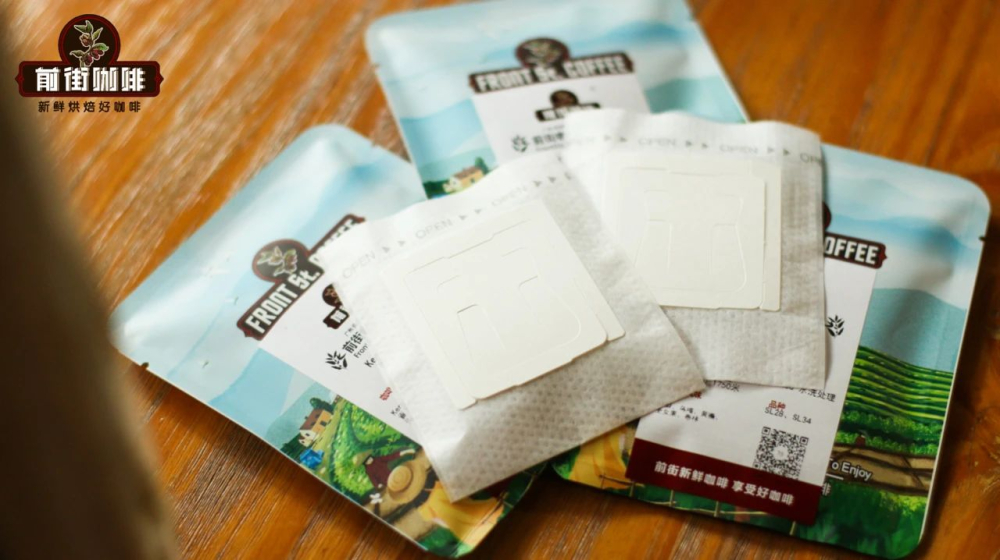
First, the preparation is very simple—you only need a container to hold the coffee, such as a server or a tall glass, and a kettle that allows you to control the water flow. Commonly available drip bags on the market usually contain 10 grams of coffee per pack. Based on the common coffee-to-water ratio of 1:15, you will need to pour approximately 150 milliliters of hot water for brewing. This ratio highlights the balanced flavor of the coffee without being too strong or too weak.
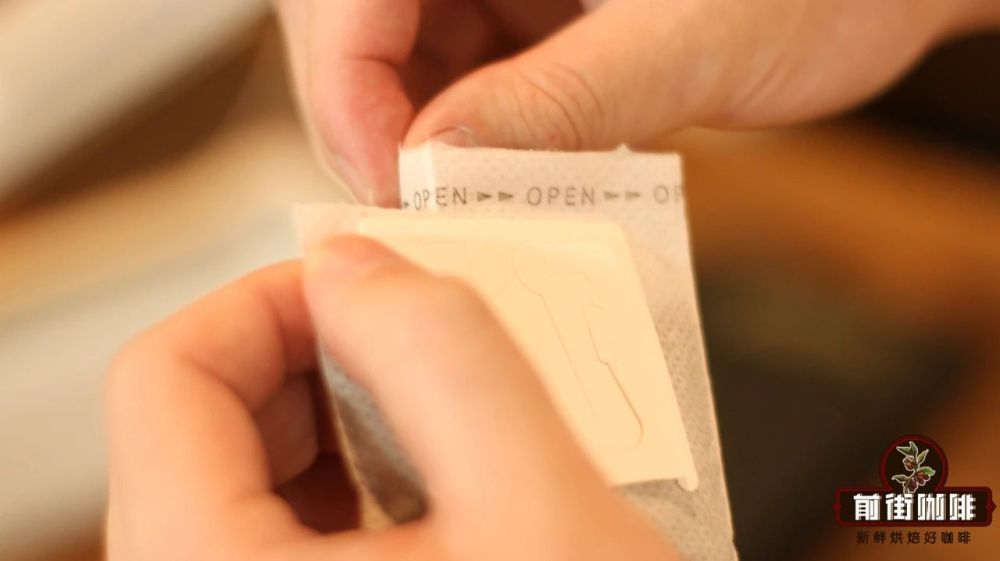
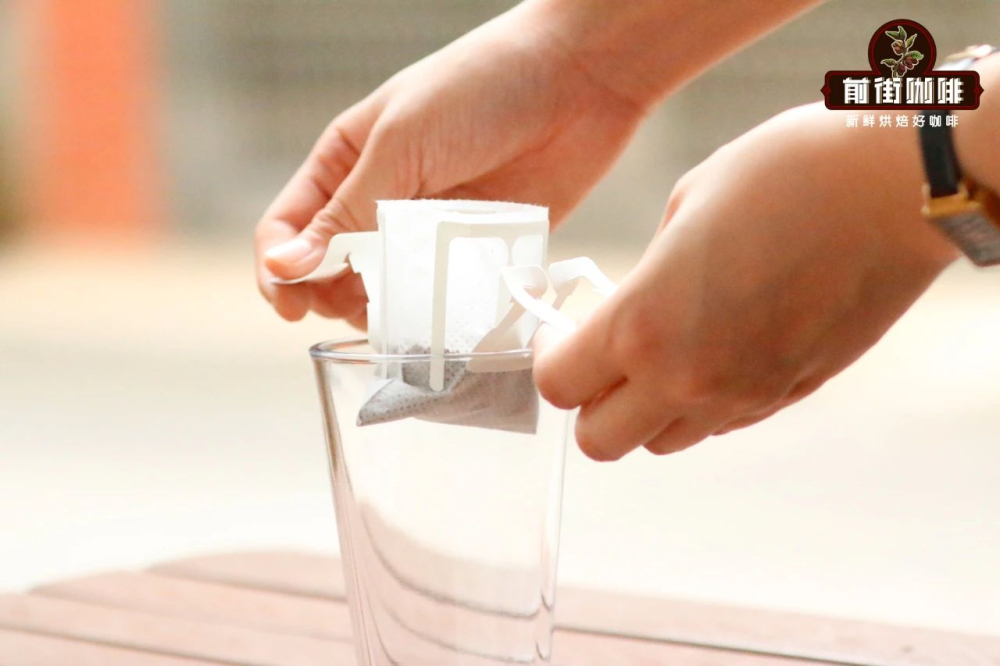
After opening the outer packaging of the drip bag, carefully remove the drip bag and tear along the dotted line indicated on the top of the non-woven fabric pouch. Spread the two “ears” outward to ensure the drip bag is securely placed on the rim of the cup. At this point, pay attention to the flatness of the filter bag to avoid uneven stacking of coffee grounds, which can affect the evenness of extraction later on.
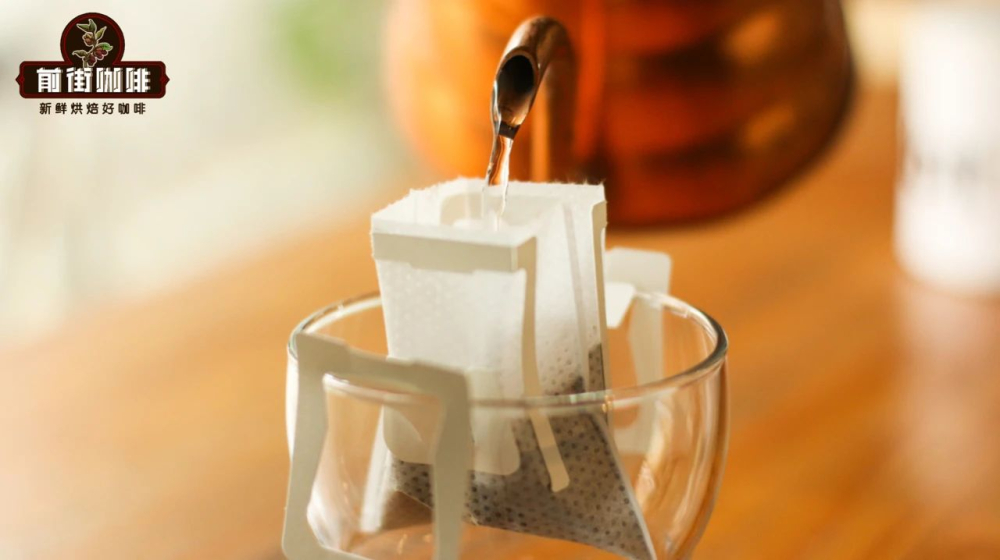
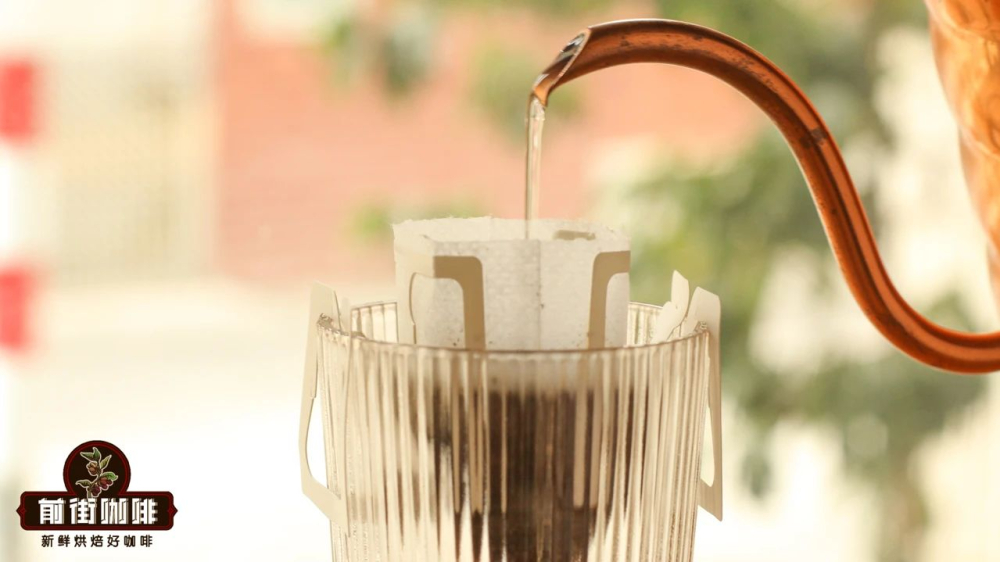
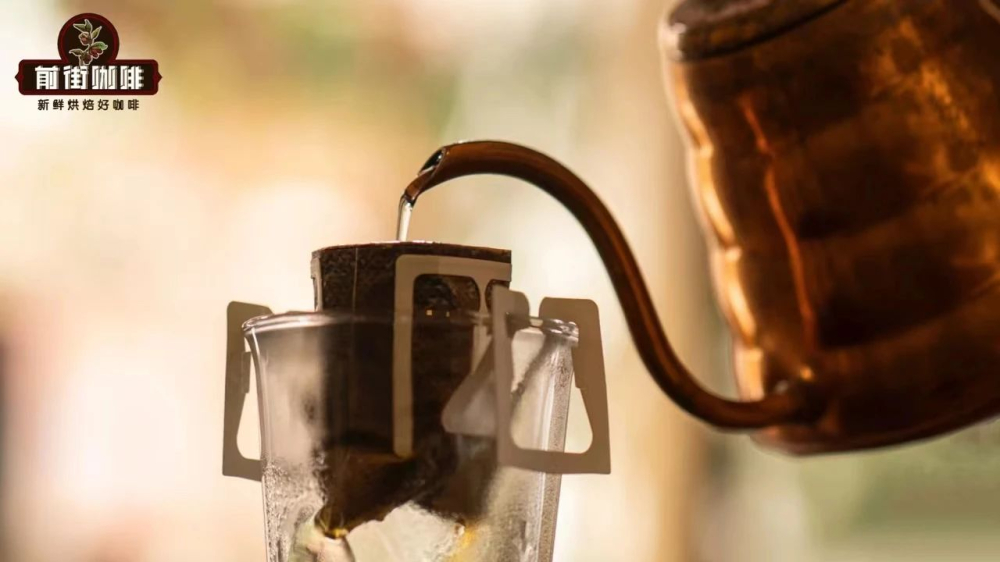
Next comes the actual brewing process, which is generally divided into three stages: first is the bloom, which evenly moistens all the coffee grounds. Use a small amount of hot water (about 20–30 milliliters) to allow the coffee grounds to expand and release their aroma. The blooming time is recommended to be controlled at 10 to 20 seconds approximately. The second stage involves slowly pouring with a steady and fine stream of water, gradually increasing the water volume until the liquid level approaches the rim of the cup, then pausing to let the coffee drip naturally. This stage fully brings out the mid-palate flavors of the coffee. The final third stage is to pour again until full, and once the coffee has completely dripped through, you can gently shake the cup to even out the concentration before enjoying a fully flavored cup of drip coffee.
However, some may wonder, can drip coffee be brewed multiple times like tea? The answer is: not recommended. Because most of the soluble flavor compounds in the coffee grounds are already extracted during the first pour, subsequent brews not only have noticeably weaker flavor but may also bring out more unwanted impurities or bitterness. Moreover, since the coffee grounds are pre-ground, their aroma can easily dissipate after exposure to air. Even with proper storage, the optimal flavor period is typically within three weeksafter roasting, so it is recommended to choose freshly roasted products when purchasing to achieve the best taste.
To maintain the flavor of drip coffee, in addition to paying attention to brewing methods, the storage environment is also important. It is recommended to store unused drip bags in a cool, dry place, away from direct sunlight and moisture. If possible, you can place them in a sealed jar or zip-lock bag to further slow down the loss of aroma. Choosing brands that emphasize fresh roasting and short shipping times at the time of purchase can also effectively ensure the coffee’s vibrant flavor.
Below is a summary of the flavor profiles of five common and popular drip coffees for readers’ reference when selecting, allowing you to make choices based on your preferred flavor direction:
1. Natural G1 Huaguai Drip Bag: Using traditional natural processing, with a drying period of up to 21 days, involving multiple turnings and defect sorting, it ultimately presents a rich tropical fruit aroma, including layers of mango, jackfruit, citrus, and honey.
2. Yirgacheffe Guodingding Drip Bag: This variety delivers a solid flavor profile, highlighting distinct fermentation aromas and tropical fruit notes. As the temperature drops, you can also detect berry and creamy undertones, with a pleasant citrusy acidity lingering in the aftertaste.
3. Indonesian Mandheling G1 Drip Bag: Featuring a typical herbal and spice base, paired with strong caramel, nut, and dark chocolate sweetness. It has low acidity but pronounced sweetness, offering a full-bodied mouthfeel with a rich Southeast Asian character.
4. Yunnan Peaberry Drip Bag: As one of the representatives of domestic specialty coffee, it uses medium roasting to present gentle notes of herbs, nuts, and chocolate. The aftertaste carries a hint of fresh fruit acidity, with an overall smooth and likable flavor.
5. Brazilian Cerrado Red Bourbon Drip Bag: For those who prefer a balanced taste, this variety is a great choice. Medium roasting gives it a rich nutty aroma, with neither bitterness nor acidity standing out, making it suitable for users who enjoy stable and mild coffee flavors.
The above content is compiled by CoffeeHunters, a coffee news website.


