







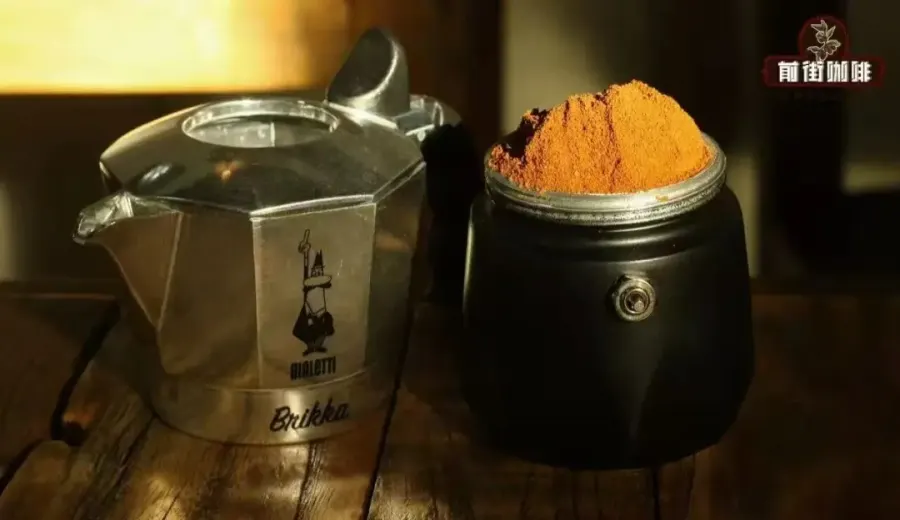
Introduction:The French press and moka pot are two brewing tools that many coffee beginners often consider when first exploring pour over or pressure brewing methods. However, they differ significantly in operation logic, extraction results, and the types of coffee beans they suit best. This article will detail the principles, structures, and usage methods of both, and take an in-depth look at the selection of single-origin and blended coffee beans with varying roast levels for the moka pot, helping you find the most suitable combination based on your flavor preferences.
Among the many coffee brewing tools, the French press and moka pot are popular choices for many beginners due to their low learning curve and affordable prices. However, the extraction principles behind these two tools and the flavor characteristics they produce are quite different. Understanding their differences can help you make a suitable choice based on your drinking habits.
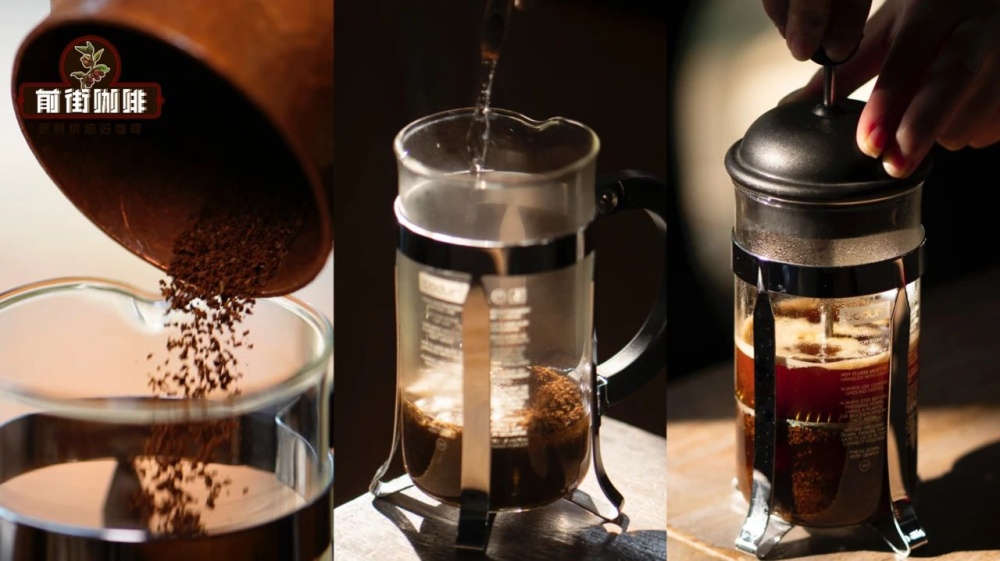
The French press, commonly known in English as a French Press, dates back to the mid-19th century in France and was initially mainly used for brewing tea, hence it is also called a "tea plunger." Its basic structure includes a heat-resistant glass (or plastic) container paired with a plunger equipped with a metal filter screen, offering a simple and intuitive design. The French press uses an immersion brewing method, where hot water and coffee grounds are in prolonged contact, and then the filter screen is slowly pressed down to separate the coffee grounds. This method is a low-pressure, slow extraction process, producing a full-bodied and rich flavor. For beginners, it doesn’t require much technique—just control the coffee-to-water ratio and steeping time.
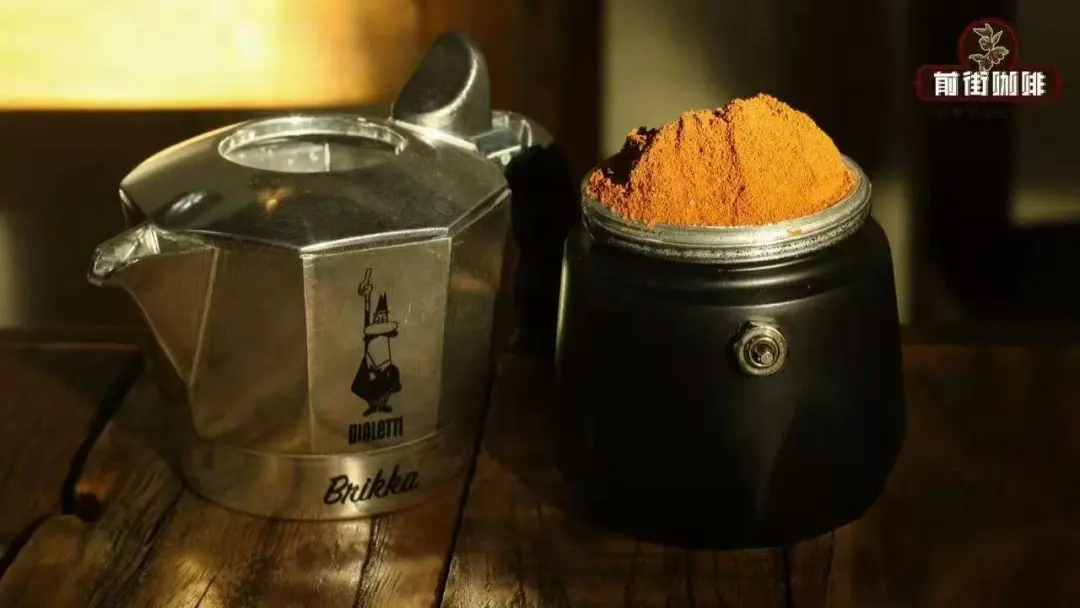
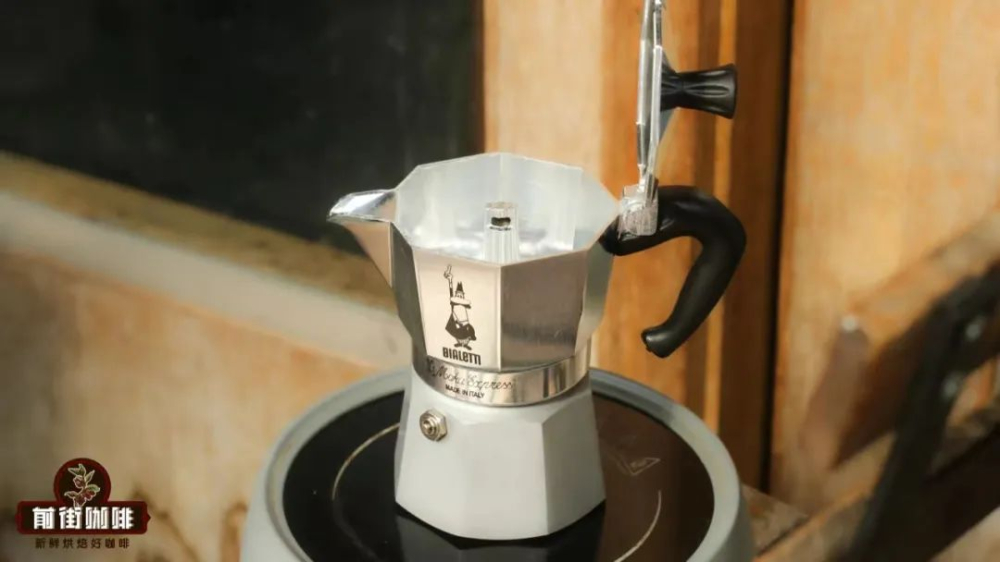
In contrast, the moka pot offers a more concentrated and oily brewing experience. This tool was invented in 1933 by the Italian brand Bialetti and remains a common sight in many home kitchens to this day. The moka pot consists of three main components: the lower chamber, the coffee basket, and the upper chamber. Some models also feature a single or double valve system to regulate pressure and the intensity of the extracted liquid. During use, heating the water in the lower chamber generates steam pressure, which pushes the water through the coffee grounds in the middle basket, eventually collecting in the upper chamber as a concentrated coffee with a certain level of pressure—both in concentration and mouthfeel, it is noticeably stronger than what the French press produces.
The extraction pressure of a moka pot is around 1 to 2 bar, which, while not reaching the 9 bar of a professional semi-automatic espresso machine, is still sufficient to extract a crema-like layer, resulting in a rich beverage with aromas of caramel and chocolate. For this reason, if you want to achieve a flavor closer to Italian-style espresso using a moka pot, it is recommended to choose freshly roasted dark roast coffee beans, which help release rich oils and a bold flavor.
When selecting coffee beans suitable for the moka pot, freshness is one of the key factors. It is advisable to look for brands with clear roast date labeling and stable storage conditions, and to choose beans roasted within 7 to 21 days whenever possible to achieve the best flavor. Among them, dark roast beans, due to longer heating times, have a looser bean structure, making it easier to release aromas of caramel, chocolate, and nuts. They also release carbon dioxide more readily when heated, forming the appealing coffee crema.
Moka pot-compatible coffee beans on the market can generally be divided into two main categories: single-origin beans and blended beans. Single-origin beans showcase the unique terroir characteristics of specific regions, while blended beans are typically composed of beans from multiple regions, aiming for balanced and consistent flavor profiles.
Here are several single-origin coffee beans recommended for brewing with a moka pot:
① PWN Golden Mandheling
This high-quality Mandheling from Sumatra, Indonesia, features distinct notes of dark chocolate, caramel, spices, and pine, with a rich body and is suitable for users who enjoy a full-mouthfeel and low acidity.
② Brazilian Queen Estate
This coffee from Brazil has a flavor profile dominated by chocolate, cream, cocoa, and cane sugar, with gentle acidity, a delicate mouthfeel, and also an outstanding crema performance.
③ Colombian Huila
This coffee from Colombia boasts a strong, sugar-free chocolate aroma, with a thick and stable crema. In addition to being suitable for moka pot brewing, it also works well for milk-based coffee drinks or Americanos.
If you prefer the layered flavors of blended beans, you may also consider the following three commonly available and cost-effective moka pot blends:
1. Classic Italian Blend
Composed of Indonesian Mandheling, Brazilian semi-washed, and Vietnamese washed beans, it has a rich crema and is suitable for home moka pots or semi-automatic coffee machines. The flavor profile includes nuts, dark chocolate, and caramel, performing well in both Americanos and lattes.
2. Basic Italian Blend
Made from Yunnan small-bean washed beans and Brazilian semi-washed beans, it has minimal acidity, a mellow and smooth taste, with notes of caramel and nuts. It offers great value and is suitable for daily use.
3. Commercial Italian Blend
Combining Robusta, Colombian, and Brazilian beans, its flavors are dominated by nuts, cocoa, and caramel, with a dense crema and high body. It is very suitable for home use or the operational needs of small coffee shops.
In summary, the French press and moka pot each have their own charm and suitable scenarios—the former is ideal for those who enjoy easy brewing and a rich mouthfeel, while the latter provides a more intense, oily coffee experience, especially suited for those wanting to explore Italian-style flavors. Choosing the right coffee beans is key, whether single-origin or blended, as freshness and appropriate roast levels will greatly influence the final flavor. By understanding these differences, beginners can quickly find their ideal coffee combination.
The above content is compiled by CoffeeHunters, a coffee news website.


