








Introduction:Want to explore the representative origins of fine coffee in Central America? The Santa Ana volcanic region in El Salvador, with its unique geography and high-altitude environment, produces Bourbón variety coffee that is delicate in mouthfeel and bright in flavor. This article will take you through the region’s natural advantages, the characteristics of its main coffee varieties, and how classic washed and honey-processed blended techniques create captivating chocolate and nutty aromas. We also provide professional roasting curves and pour over parameters to help you fully master the brewing essentials of this popular coffee bean.
Although El Salvador is a relatively small country in Central America, its coffee industry holds a significant position in the global specialty market, often mentioned alongside Costa Rica as one of the important birthplaces of improved honey processing techniques. Locally produced coffee generally features gentle acidity, clear and bright sweetness, and a rich aroma, with a clean and non-muddy mouthfeel—making it a top choice for many coffee enthusiasts entering the world of specialty coffee.
Geographically, Salvadoran coffee is mainly grown at altitudes above 1,200 meters in volcanic highlands, concentrated in five major regions across the country. These areas typically have fertile, volcanic ash-rich soil, along with cool and stable climates, making them highly suitable for growing Arabica coffee. Coffee farmers commonly use shade-grown cultivation methods, utilizing tall trees to reduce direct sunlight, which helps stabilize temperatures and maintain the ripening quality of coffee cherries. In terms of varieties, Pacas and Bourbón are the two dominant ones—both featuring larger beans and complex flavor profiles, with Bourbón being a classic favorite among many coffee farmers and roasters.
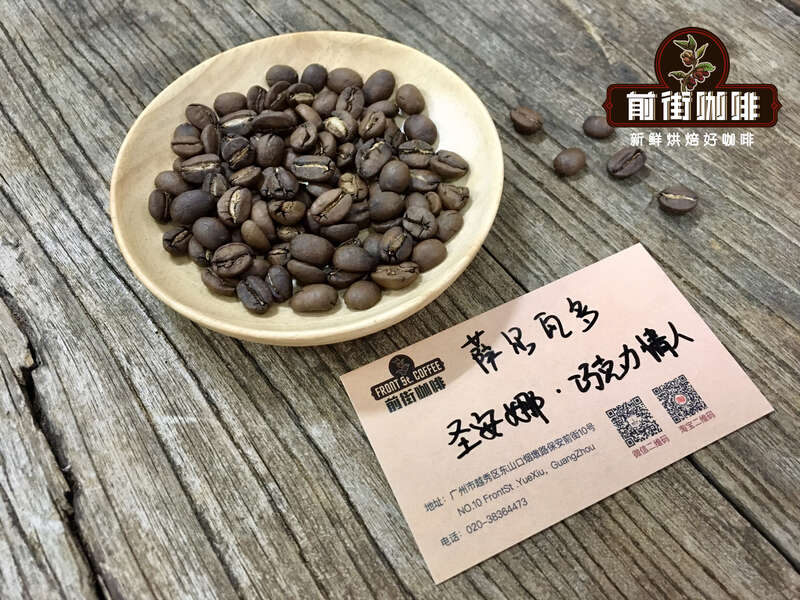
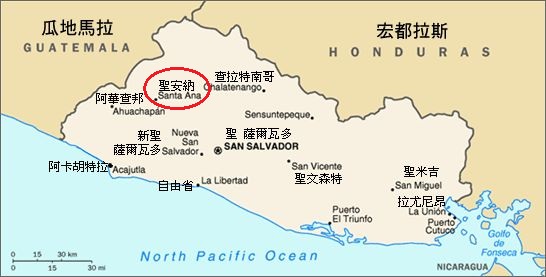
Among these regions, the Santa Ana volcanic zone can be considered the most iconic source of high-quality coffee in El Salvador. Located west of the capital, San Salvador, it reaches an overall elevation of up to 2,381 meters. With a cool climate, distinct day-night temperature differences, and volcanic terrain contributing to soil rich in organic matter and various mineral elements, it provides optimal growing conditions for coffee trees. Although the volcano erupted in 2005, impacting local agriculture, the subsequent rich volcanic ash deposits have made the soil even more fertile, maintaining Santa Ana's status as one of the country’s premier coffee-growing regions to this day.
Among them, the Chocolate Lover Estate (El Guayabo) is situated on the mountainside of the Santa Ana volcanic region, at an altitude of about 1,300 to 1,500 meters. Surrounded by lush greenery, abundant moisture, and a well-preserved primary forest, it enjoys a diverse microclimate environment that aids coffee cherries in accumulating richer flavor compounds. This estate primarily cultivates the Bourbón variety, with coffee trees often coexisting with native tree species. These not only provide natural shading but also serve as habitats for various birds and reptilian wildlife, showcasing a sustainable and environmentally friendly agricultural model.
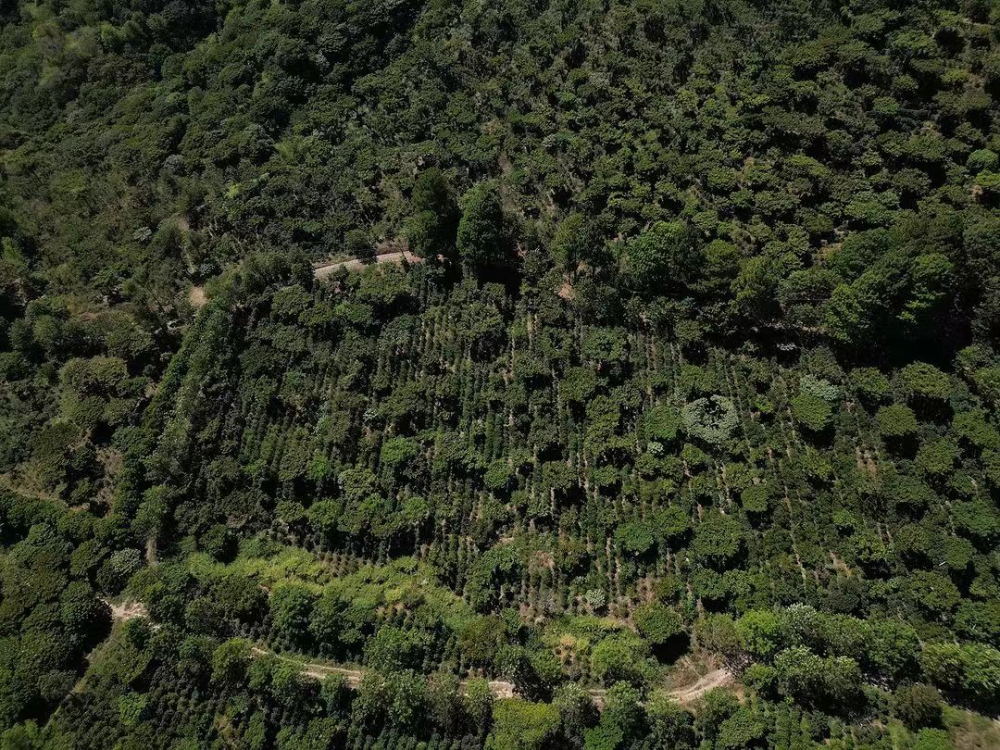
In terms of variety, Bourbón is a natural mutation of Typica and is one of the oldest and most esteemed Arabica varieties. Its cherries turn from green to bright red upon ripening, and the trees have relatively broad leaves and high planting density. Although its yield per unit is lower than some high-output commercial varieties, it is renowned for its outstanding flavor performance. Bourbón typically exhibits bright acidity, sweet mid-palate flavors, and a wine-like richness and fruity notes in the aftertaste, making it highly favored by pour over and specialty coffee enthusiasts.
In terms of processing, the Chocolate Lover Estate employs a unique blended technique: 50% of the beans are washed processed, while the other 50% are honey processed, then carefully blended together. The washed process, through rigorous depulping and fermentation procedures, imparts a clean and bright mouthfeel with a crisp finish. The honey process, carried out at a lower altitude (around 800 meters), takes advantage of ample sunlight and high ultraviolet conditions, allowing the mucilage adhering to the beans to fully ferment during drying—resulting in intense aromas and a rich sweetness. This combination of dual processing methods allows the final single-origin coffee to showcase multiple flavors such as chocolate, cocoa, nuts, and cream, which also inspired the estate to name it “Chocolate Lover.”
Regarding roasting, due to the relatively high density of these green beans, roasters typically opt for a medium heat entry and extend the initial drying phase to ensure even heat penetration to the bean core. Once the first crack begins, extending the caramelization time appropriately helps to bring out a richer sweetness and more complex aromatic layers. Practical roasting parameters can be referenced as follows: using a Yangjia 800N machine (approximately 300g capacity) as an example, the charge temperature is set at 180°C, with power at 125 and the air damper at 3; the turning point occurs around 1 minute and 39 seconds, and when the roaster temperature drops to 140°C, the air damper is adjusted to 3.5 and the power reduced to 100; subsequently, adjustments to power and air damper are made gradually based on bean surface color and aroma changes. Roasting continues for about 2 minutes after the start of the first crack, with the final drop at 194.1°C to preserve the optimal balance of sweetness and aroma.
As for pour over recommendations, the V60 dripper is preferred. Use about 15 grams of coffee, with water temperature controlled between 88–90°C, and a recommended powder-to-water ratio of 1:15. The grind size is suggested to be medium-fine, approximately equivalent to 80% passing rate of a Chinese standard No. 20 sieve—similar to the granularity of fine sugar. This grind helps fully extract flavor compounds during brewing without over-releasing bitterness. A specific operation method can involve a staged extraction: start with a 30-second bloom using 30 grams of water, then pour in a small circular motion until reaching 125 grams for the first pour. When the water level drops and is about to expose the coffee bed, continue pouring to 225 grams before stopping. Finally, wait for the water level to naturally drop before removing the dripper. The total extraction time is kept around 2 minutes. This method yields coffee with pronounced fruity and nutty notes, a creamy smooth texture and caramel sweetness upon tasting, and a refreshing berry and citrus acidity in the aftertaste. The overall flavor profile is layered and well-balanced.
The above content is compiled by CoffeeHunters, a coffee news website.


