







Introduction:An in-depth exploration of two classic processing methods in Ethiopia’s Yirgacheffe region: washed and natural. From green bean appearance and roast profiles to practical V60 pour over parameters, we fully analyze the differences in flavor profiles, acidity-sweetness balance, and mouthfeel between Gu Ding Ding washed and Red Cherry natural. Practical extraction tips are provided to help coffee enthusiasts find their own preferred Yirgacheffe flavor.
Yirgacheffe, a renowned coffee region from Ethiopia, is favored by many beginners to the pour over world for its unique bright acidity and clean, distinct flavor profile. Whether you prefer fresh fruity notes or rich sweetness, you can find a corresponding processing style in Yirgacheffe. This article starts with an introduction to the region, then provides a detailed comparison of the two main processing methods—washed and natural—and takes Gu Ding Ding washed and Red Cherry natural, two representative beans, as examples. From green bean characteristics, roast suggestions, cupping performance, to V60 pour over hands-on parameters, we guide you through a comprehensive understanding of the diverse facets of Yirgacheffe.
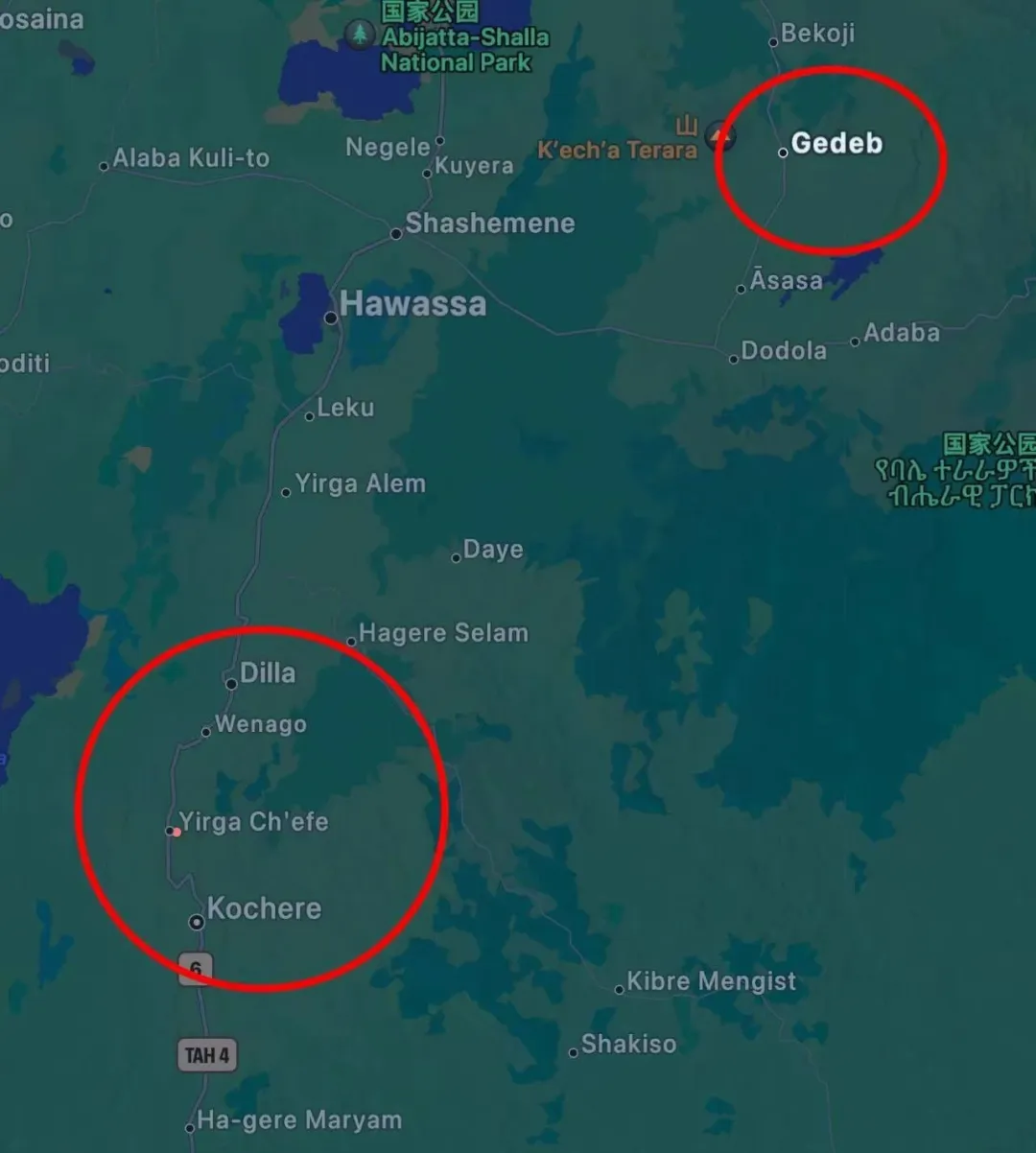
Yirgacheffe is located on the eastern edge of the East African Rift Valley, with an average altitude between 1,800 and 2,000 meters, making it one of the highest-altitude regions in Ethiopia. To the west lies Lake Abaya, and the humid climate and abundant water sources provide an ideal environment for washed processing. Although Yirgacheffe originally employed the natural method more frequently, since the Ethiopian government introduced washed techniques from Central and South America in 1972, the region has gradually become famous for its washed beans and is now an important benchmark region in the global specialty coffee market. It’s worth noting that Yirgacheffe was originally part of the Sidamo region but was later separated due to its unique flavor characteristics. Today, it stands alongside Wenago, Gelena Abaya, and Kochere as one of Ethiopia’s four official coffee regions.
Let’s start with the green bean processing methods. The washed process involves removing the pulp, fermenting to remove the mucilage, followed by washing and drying, resulting in coffee beans with high cleanliness and clear acidity. This method involves more steps, demands higher hygiene and management standards, but can better highlight floral and fruity notes along with bright citric acidity, giving the coffee a more “fresh and clean” character. In contrast, the natural process involves drying the whole coffee cherry directly, preserving the sugars and fruit aromas within the pulp. It typically results in a sweeter, more berry-toned, and complex cup, though with slightly less clarity compared to washed.
Observing green bean appearance, washed beans undergo water treatment, causing more silver skin to shed and presenting a bluish-green hue with a uniform look. Natural beans, because the pulp is not removed immediately, often retain silver skin on the surface, appearing more yellowish-green and commonly showing more leftover silver skin. After roasting, the silver skin along the center cut of washed beans is less prone to shedding, often leaving some residue. For natural beans, the silver skin remains more intact, and usually detaches cleanly during roasting, making the roasted beans appear cleaner.
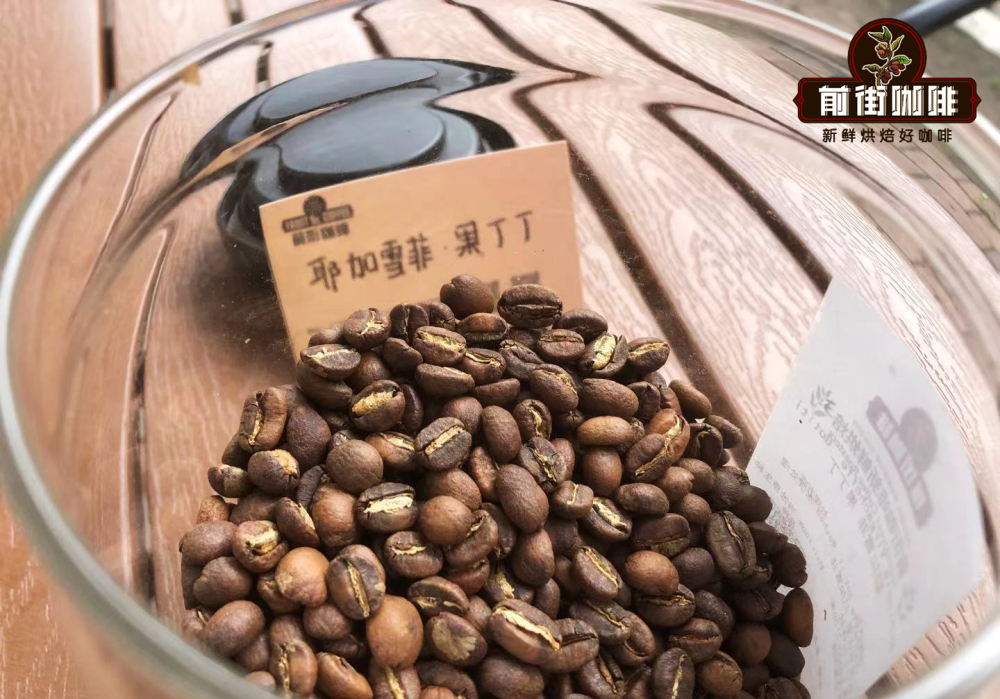
In terms of roast recommendations, Red Cherry natural is suited for medium-to-high initial charge temperatures, starting at around 200°C with a fan setting of 3.5. After the first minute, reduce the heat. Observe the bean surface turning yellowish around 148°C as grassy notes fade. Once dehydration is complete, gradually adjust heat and airflow until the first crack begins around 9 minutes and 7 seconds, finally dropping the beans at approximately 194°C. As for washed Gu Ding Ding, it’s recommended to start with a slightly lower charge temperature of 175°C and a fan setting of 3. Stabilize dehydration early on, and be mindful to gradually reduce heat between 166–176°C. First crack typically begins around 9 minutes and 38 seconds, with a development time of about 1 minute and 30 seconds, and a final drop temperature of around 193.5°C. Both beans require attention to flavor transitions just before first crack, adjusting heat accordingly to preserve optimal flavor expression.
In cupping, Red Cherry natural exhibits intense fruit aromas. The dry fragrance carries notes of strawberry, mango, and apricot jam, while the wet aroma is sweet like syrup. The cup has a medium body, similar to fruity black tea, with pronounced sweetness. In contrast, washed Gu Ding Ding shines with bright acidity. The dry fragrance is rich with passion fruit, citrus, and berry notes. The cup presents a vibrant citrus tone, intertwined with berry sweetness and almond flavors, along with a noticeable tea-like quality. The finish leaves a honey-like sweetness, resulting in an overall refreshing and clean mouthfeel.
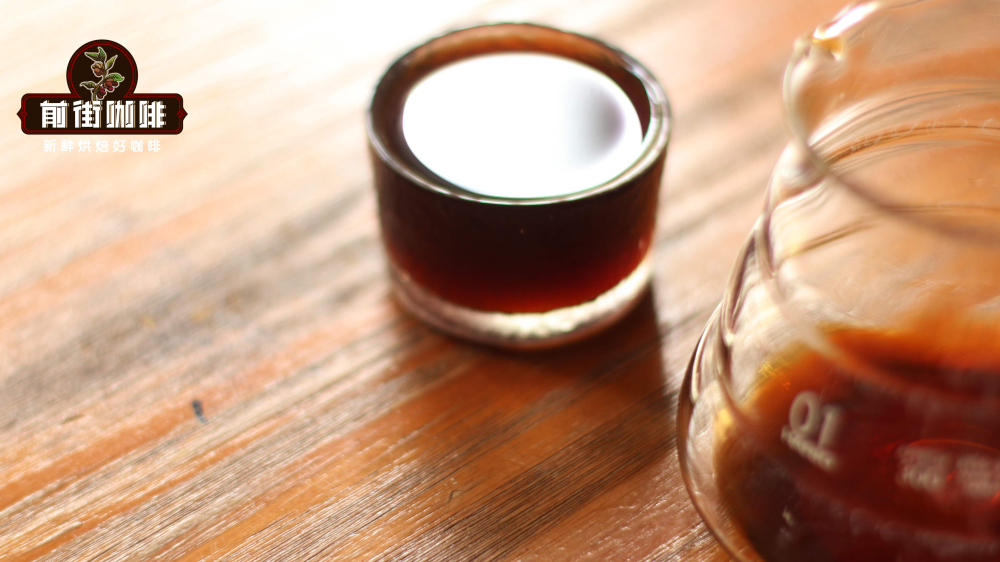
For actual pour over performance, it’s recommended to use a V60 #01 filter, 15 grams of coffee, a 1:15 coffee-to-water ratio, and a grind size of about 80% passing through a #20 sieve (similar to the coarseness of fine sugar). Water temperature should be controlled between 90–91°C. Suggested pour over process: begin with a 30-second bloom using 30 grams of water, followed by pouring 95 grams (total ~125 grams) within about 1 minute. When the water level drops to two-thirds of the coffee bed, pour the remaining 100 grams (total ~225 grams). Total brew time is around 2 minutes 00 seconds to 2 minutes 10 seconds. Under these parameters, washed Gu Ding Ding shows a base of citrus and black tea, evolving with temperature into notes of cream, caramel, and almond, finishing with a sweet aftertaste. Red Cherry natural highlights lemon, licorice, berry, and sweet orange flavors, with high overall sweetness, a caramel and creamy mouthfeel in the aftertaste, and a tea-like aroma in the finish, offering a richly layered experience.
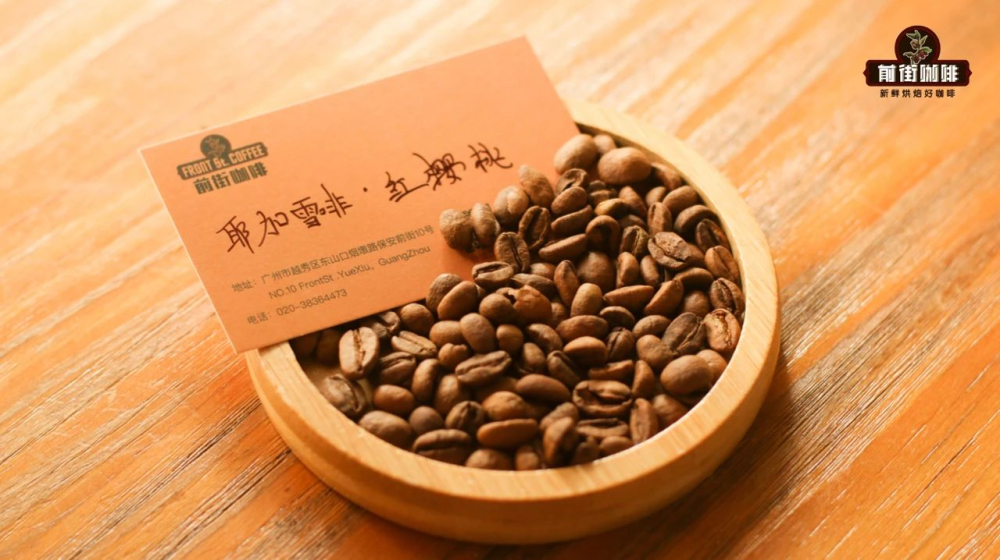
In summary, Yirgacheffe’s washed and natural processing methods each have their own distinctive traits—the former excels with bright acidity and clean flavors, while the latter shines with rich sweetness and complex fruit tones. By understanding the differences in green bean processing, observing the state of silver skin after roasting, and mastering appropriate cupping and pour over parameters, coffee lovers can delve deeper into the diverse expressions of Yirgacheffe and discover their perfect cup.
The above content is compiled by CoffeeHunters, a coffee news website.


