








Introduction:The Pacamara from Guatemala’s Finca El Injerto and the Geisha from Panama’s Hacienda La Esmeralda are the twin jewels of today’s specialty coffee scene. This article delves into the geographical environments, varietal characteristics, grading systems, and processing methods of these two renowned estates, while also providing expert flavor descriptions and pour over brewing recommendations to help coffee enthusiasts identify and select the premium beans that best suit their taste.
On the international stage of specialty coffee, Guatemala’s Finca El Injerto and Panama’s Hacienda La Esmeralda have established two peaks representing the quality of Central American coffee, with the former excelling with the Pacamara variety and the latter with the Geisha. The former is known for its intense fruity aroma and rich mouthfeel, while the latter captivates with its unique floral, citrus notes, and tea-like characteristics, making them the focal points of global coffee competitions and auctions. This piece will analyze the origins, processing methods, grade differences, and brewing suggestions of these two coffees from multiple perspectives, allowing you to gain a deeper understanding of their distinctive charm.
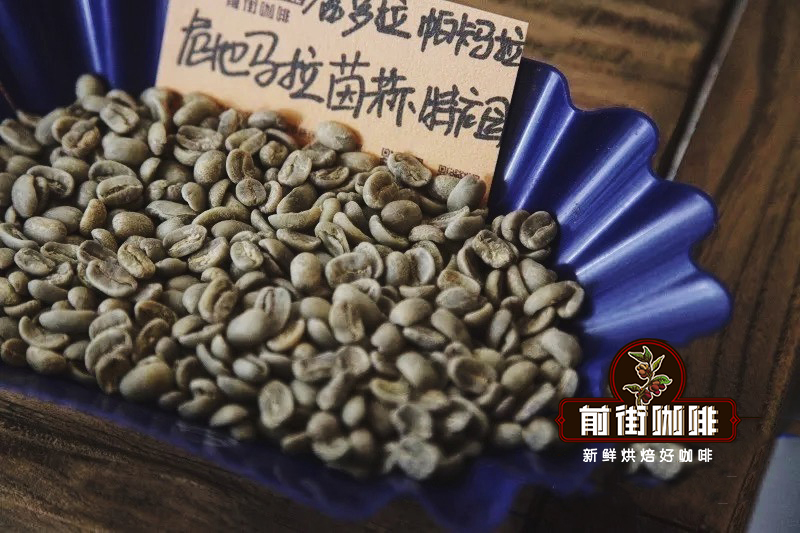
Finca El Injerto is located in the high-altitude region of Huehuetenango, Guatemala. Since the 1900s, it has been managed by the Aguirre family, who have long focused on the in-depth development of single varieties and sustainable cultivation. This land, situated in a volcanic zone, boasts fertile volcanic soil, an average annual rainfall of 1800 to 2000 mm, and significant diurnal temperature variations, offering ideal growing conditions for the Pacamara variety.Finca El Injerto is particularly renowned for its micro-lot Pandora Fatima EI07, a washed Pacamara that often exhibits complex flavors of chestnut, plum, and chocolate, with pronounced sweetness and rich layers.
The Pacamara variety is a hybrid of Maragogype and Pacas, classified as an extra-large bean, typically sized between 21 and 22 mesh. It holds immense potential and high recognizability. In 2004, it gained attention in the COE (Cup of Excellence) competition and subsequently fetched high prices in international markets. Among them, the Pacamara from Finca El Injerto achieved a record price of $80.2 per pound in 2008, cementing its top-tier status. The estate also hosts its own auction, selecting the most representative lots for global buyers to compete for, showcasing its relentless pursuit of quality.
In terms of processing techniques, Finca El Injerto employs an independent washing system and hires skilled workers at wages above the local average to manually select fully ripe coffee cherries. After depulping and size grading, the beans are cleaned with pristine mountain spring water and undergo two days of fermentation followed by seven days of sun drying. They are then rested for at least 45 days to ensure full flavor development before cupping and export. This rigorous processing procedure is one of the key reasons why Finca El Injerto’s coffee consistently achieves outstanding results in international competitions.
Turning to Panama, Hacienda La Esmeralda was founded in 1964 by American banker Rudolph Peterson, initially focusing on dairy farming until the late 1980s when it shifted to specialty coffee cultivation. His son, Dr. Price, introduced the Caturra and Catuaí varieties and established a washed processing plant in 1994. In 1996, they merged with the high-altitude Jaramillo Estate and unexpectedly discovered the Geisha variety growing there, thereby rewriting the history of Panamanian coffee.
The Geisha plantings at Hacienda La Esmeralda are primarily concentrated in the Boquete region, further divided into three main blocks: Jaramillo, Cañas Verdes, and El Velo. Jaramillo and Cañas Verdes, due to their higher altitudes (approximately 1600–1800 meters) and significant diurnal temperature variations, serve as the main sources for Geisha Red and Green labels. Meanwhile, the slightly lower altitude of El Velo (1700–1900 meters) is mostly used for the Blue Label blend.
Hacienda La Esmeralda categorizes its Geisha into three grades based on origin, altitude, and cupping scores:Red Label (Esmeralda Special)Reserved for auction-grade Geisha, selected only from the Jaramillo and Cañas Verdes plots with cupping scores above 90. These lots are typically processed via washed or natural methods, showcasing explosive floral and citrus notes;Green Label (Private Collection)Represents non-auction high-quality blends that still possess the classic bright acidity and fruity aromas of Geisha, though flavor profiles may vary slightly by batch;Blue Label (Geisha1500)Made from blends grown at altitudes of 1400–1500 meters, primarily processed using the washed method. The flavor is more mellow, featuring subtle floral notes, fruit acidity, and sweetness, making it suitable for those who prefer a refreshing taste profile.

Regarding roasting and brewing recommendations, the Blue Label Geisha emphasizes bright citrus and floral characteristics, so a light roast is advised to preserve its vibrant tones. For pour over, it is recommended to use a V60 dripper, with a water temperature of around 90°C, a coffee-to-water ratio of 1:15, and a grind size similar to superfine sugar (approximately 80% passing through a Chinese No. 20 sieve). Use a pulse pouring method: after a 30-second bloom, pour in water up to 125 grams for the first pour, then continue pouring until reaching 225 grams once the water level drops. The total brew time should be about 2 minutes, effectively highlighting the balanced flavors of floral, citrus, and honey sweetness.
Whether you prefer the rich fruity sweetness and bold chocolate finish of Finca El Injerto’s Pacamara or the delicate floral notes and tea-like profile of Hacienda La Esmeralda’s Geisha, the top-tier beans from these two estates promise a profound tasting experience. Understanding their origin backgrounds, varietal traits, and processing methods will help you better appreciate their refinement and nuances when selecting and brewing.
The above content is compiled by CoffeeHunters, a coffee news website.


