







Introduction:Want to understand the extraction secrets of professional-grade espresso and learn how to choose high-quality blends? This article explains in detail the key parameters behind standard espresso — such as dose, water temperature, and pressure — and provides an in-depth analysis of four different flavor profiles of espresso blends and their ideal usage scenarios. Suitable for both beginners and café operators.
Espresso is at the heart of many coffee enthusiasts' studies, but what exactly constitutes a qualified shot of espresso in terms of coffee dose, water temperature, and pressure? How should extraction time and brew ratio be precisely controlled? Based on practical experience, this article systematically outlines the technical standards and parameter principles of espresso, and introduces four espresso blends with distinct positioning — including Dark Cocoa Blend, Premium Blend, Commercial Blend, and Classic Blend — covering their recipes, flavor characteristics, and usage suggestions. The article also provides useful tips on purchasing and storing coffee beans to help you enjoy them at their peak flavor.
What is a double espresso? What are the standard volume and brewing process?
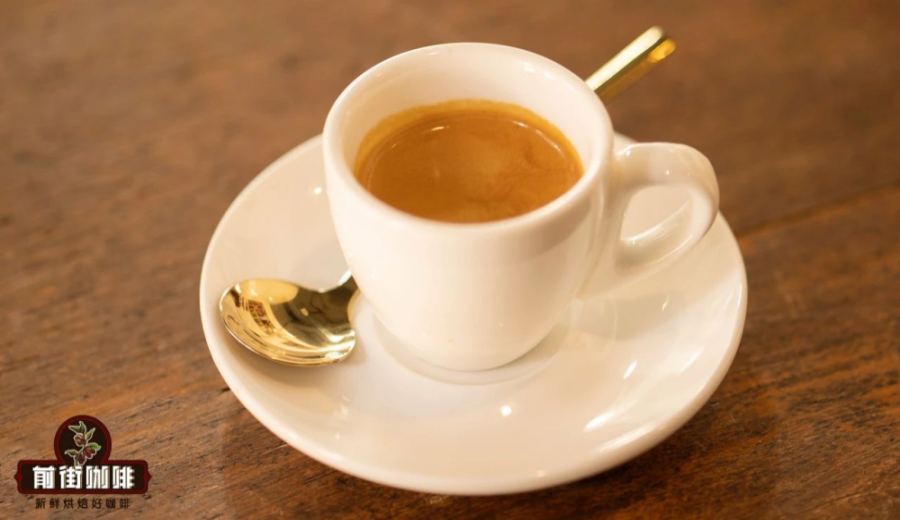
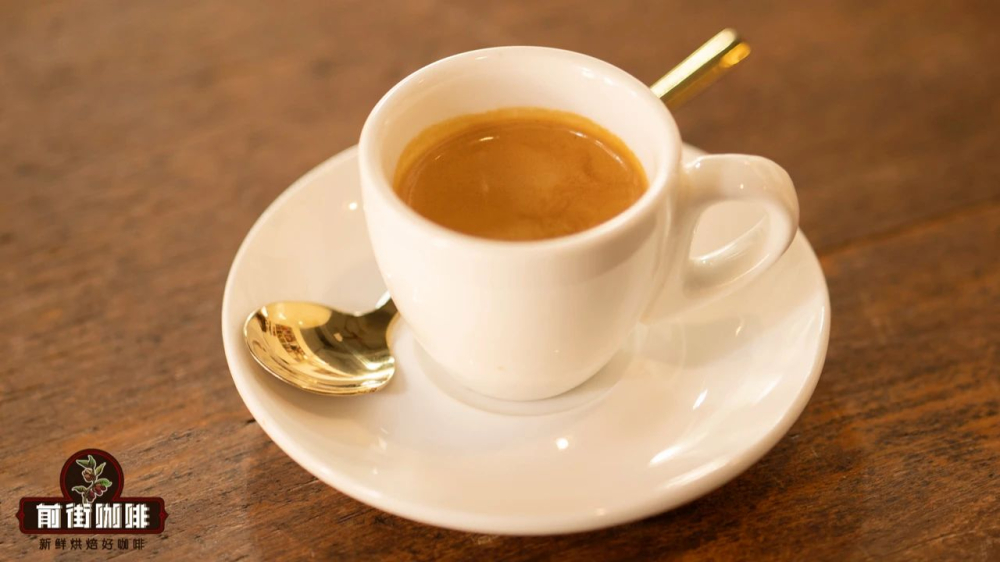
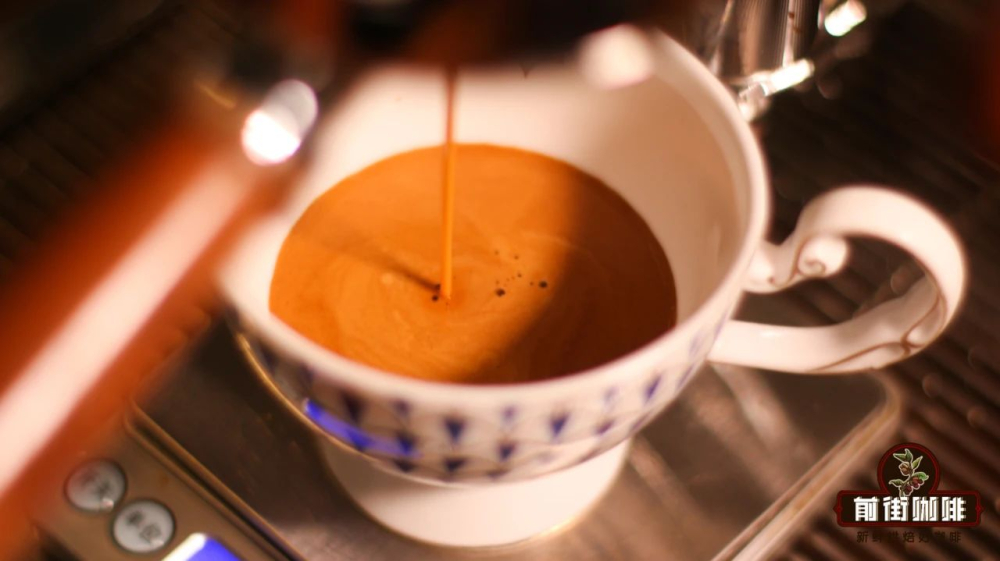
Espresso is the foundation of many café beverages and also a key focus for home coffee enthusiasts. The internationally accepted technical standard recommends using about 7 grams of freshly ground coffee, extracting with water at around 92°C under approximately 9 Bar pressure for 20 to 30 seconds, producing about 20 to 30 milliliters of coffee liquid covered with a layer of crema. A well-known coffee brand’s standard offering uses a double shot (2 shots) as the base, employing 19 grams of coffee and extracting at a 1:2 ratio to yield 38 grams of coffee liquid in about 28 seconds. However, these figures are only guidelines; the real key lies in the brew ratio and the resulting flavor profile.
The Five Core Parameters That Influence Espresso Flavor
There are numerous variables that affect the flavor of espresso. Below is an analysis of the key parameters:
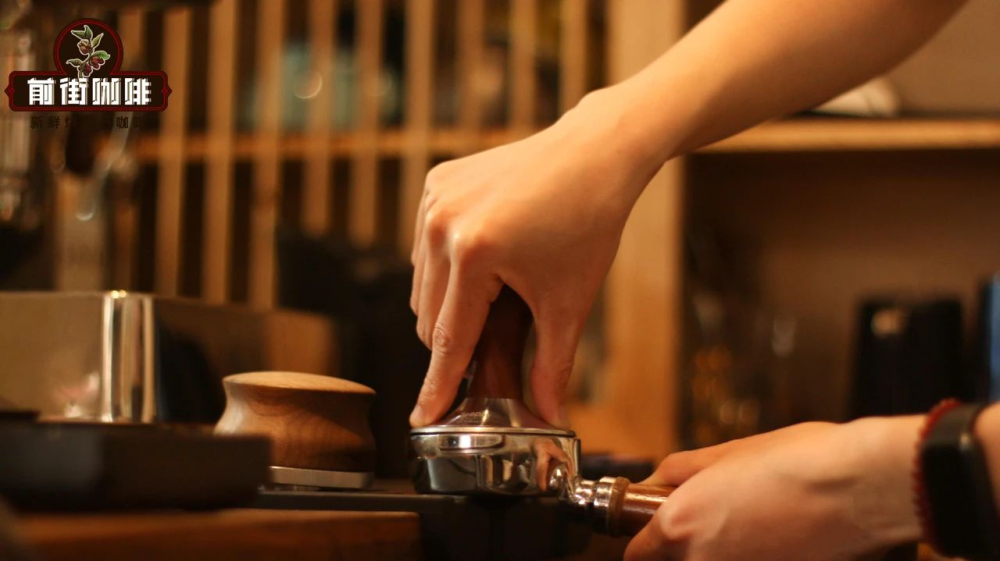
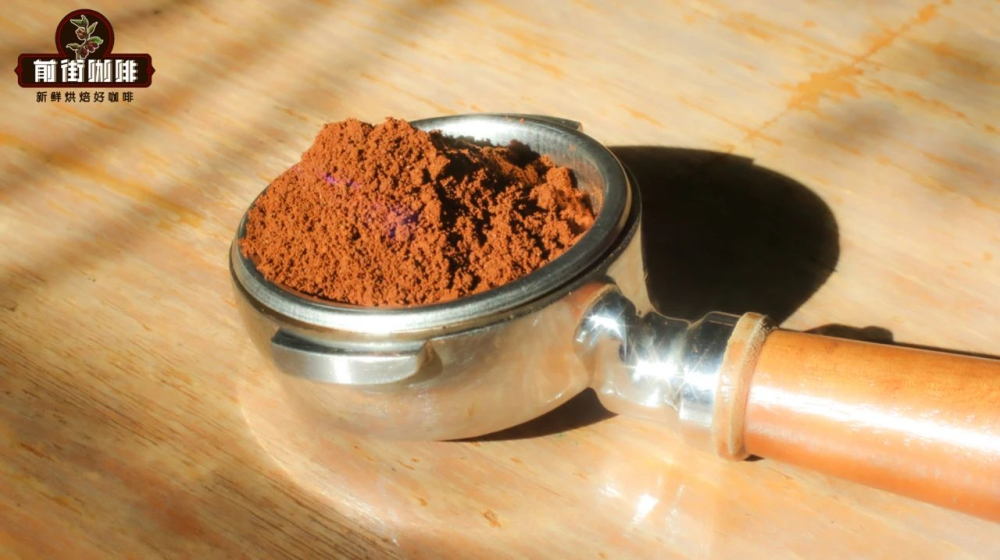
DoseThis depends on the capacity of the portafilter basket. Too much or too little will affect puck density. Insufficient dose leads to a loose puck and fast water flow, causing under-extraction; conversely, too much dose results in a overly compact puck, restricting water flow and making extraction difficult.
RatioThis refers to the ratio of coffee dose to the yield. Common ranges are from 1:1.5 to 1:2.5, with 1:2 being the most widely used. A low ratio makes the coffee overly intense and bitter, while a high ratio results in a flat flavor with potential sourness due to under-extraction.
Extraction TimeThis is the duration from the start to the end of extraction, influenced by grind size and ratio. A higher ratio requires more water and naturally takes longer; a finer grind creates a denser puck, increasing resistance and extending extraction time, which can lead to over-extraction.
Flow RateThis is the speed at which the coffee flows out, reflecting how well all parameters are matched. Ideally, the first drop of coffee appears between the 5th and 6th second, with around 34 grams extracted by the 30th second. A steady flow rate indicates that grind size and ratio settings are appropriate.
PressureTypically around 9 Bar, determined by the performance of the espresso machine. Insufficient pressure reduces extraction efficiency, while excessive pressure can easily lead to over-extraction.
Water TemperatureGenerally controlled between 90 to 94°C. Too high a temperature can accentuate bitterness, while too low may result in sourness and under-extraction.
In-Depth Analysis of Four Espresso Blends
Espresso blends commonly used in cafés are typically composed of beans from multiple origins, aiming to balance flavor and extraction performance. Below are introductions to four distinctive blends:
Dark Cocoa Blend: A combination of Brazilian and Yunnan beans, medium-dark roasted, featuring flavors of cream, nuts, and chocolate. It has a mild taste and moderate crema, making it suitable for milk-based drinks like lattes. With good cost-performance, it’s ideal for beginners and everyday drinking.
Premium Blend: A mix of Brazilian and Colombian beans, also medium-dark roasted, known for balanced flavor with notes of nuts and sweetness. It has moderate acidity and is a popular stable choice among many independent cafés.
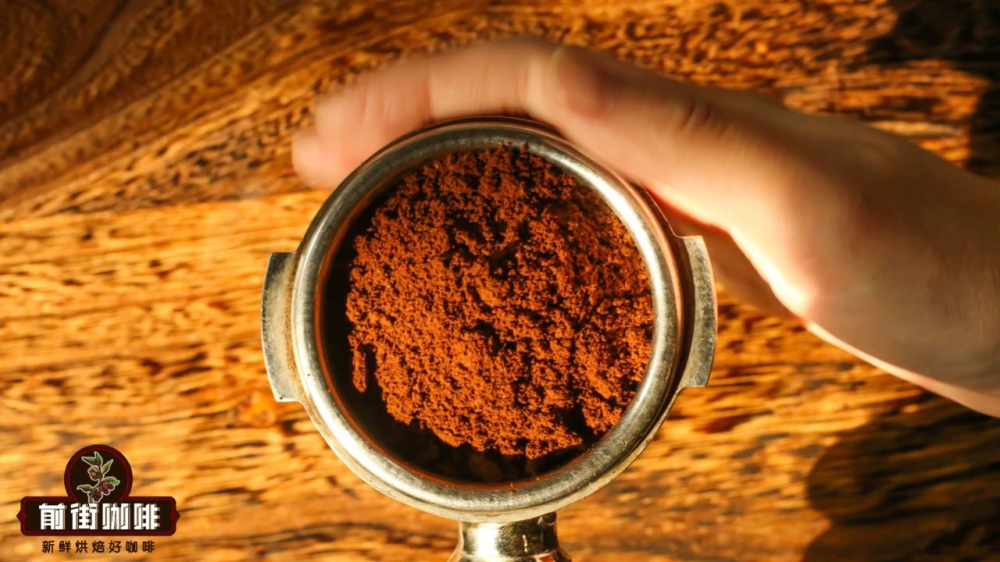
Commercial Blend: A blend of Brazilian, Colombian, and a small amount of Robusta, with rich crema and flavors of caramel, cocoa, and dark chocolate. It offers balanced acidity and sweetness with a long-lasting aftertaste, making it suitable for commercial cafés making Americanos and milk drinks. It has a smooth, slightly bitter taste.
Classic Blend: Comprising Brazilian, Indonesian Mandheling, and Vietnamese Robusta beans, medium-dark roasted. Inspired by the traditional “Mandheling-Robusta” formula, it adds a small amount of Robusta to enhance aroma and crema. Ideal for practicing latte art at home, it yields golden crema and a rich flavor.
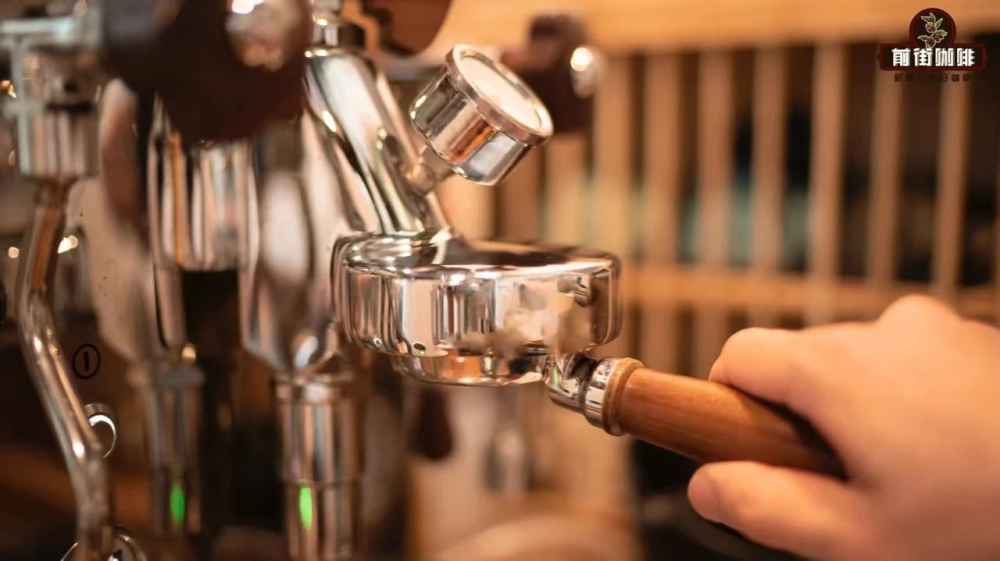
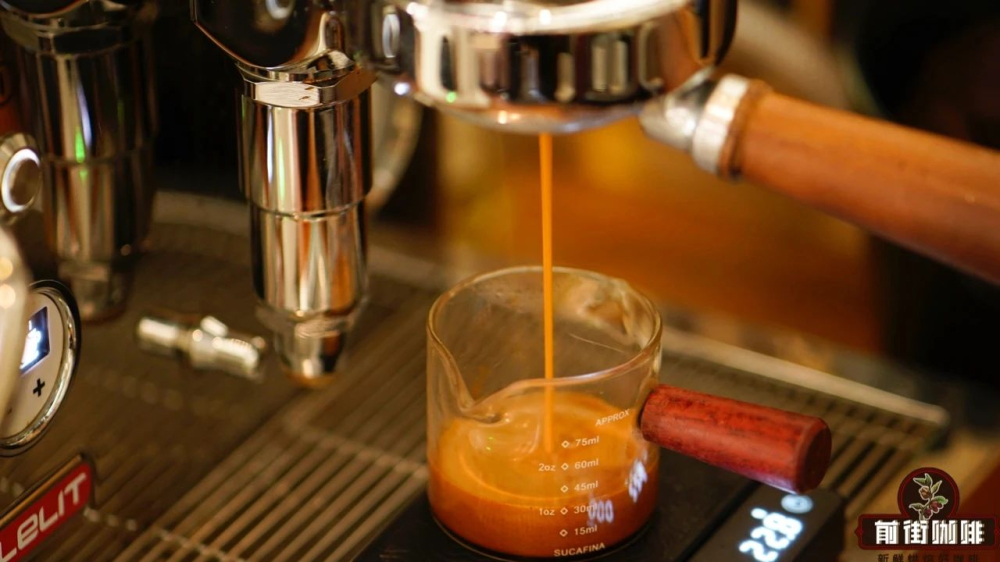
In actual operations at a well-known coffee brand, a common practice is to use 20 grams of coffee to extract 40 grams of liquid within 26 to 28 seconds, resulting in an espresso that balances mild acidity and bitterness, offers good body, and features rich crema. When made into an Americano, it presents flavors of cream and chocolate, while a latte delivers notes of buttery cookies and cocoa.
Tips on Purchasing and Storing Coffee Beans
When buying, always check the roast date. Freshly roasted beans typically reach their optimal flavor window after 4 to 7 days of degassing, remaining at peak for about 30 days. After that, volatile compounds like fruity and floral notes gradually dissipate, leaving only woody tones. Be sure to distinguish between flavor window and shelf life (usually 6 to 12 months). It’s recommended to purchase an appropriate quantity based on your consumption rate to avoid prolonged storage that may compromise flavor.
The above content is compiled by CoffeeHunters, a coffee news website.


