







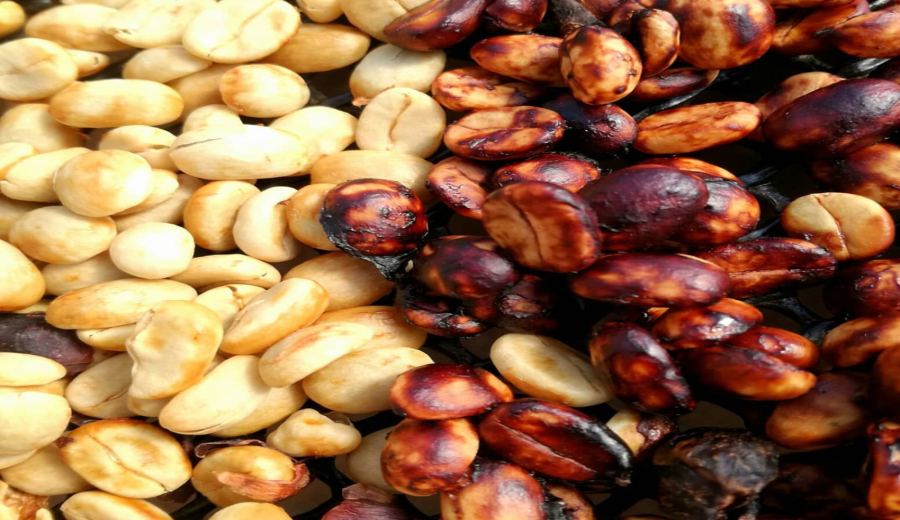
Introduction:Honey processed coffee has become a major trend in the specialty coffee scene in recent years, but do you understand the actual differences between white honey, yellow honey, red honey, and black honey? This article will delve into the craft details, fermentation logic, and flavor profiles of these four types of honey processing, using Café Sol Naciente’s red honey-processed Catuaí from the Tarrazú region of Costa Rica as an example. From the growing environment to cupping experience, we’ll help you fully grasp the essence and selection tips of honey processed coffee.
Even though they’re all honey processed, why do some coffees taste clean and bright while others are as bold as red wine? The key lies in the proportion of mucilage retained and how it’s managed during the drying process. White honey is closest to the washed process, while black honey is nearly identical to natural sun-dried processing. Red honey sits right in the middle and is also the most commonly seen type on the market. This article will break down the fermentation principles and flavor characteristics of white honey, yellow honey, red honey, and black honey from the perspective of processing methods, and take Café Sol Naciente’s red honey Catuaí as an example—guiding you from green beans, variety, to cupping—to fully appreciate the sweet charm of honey processed coffee.
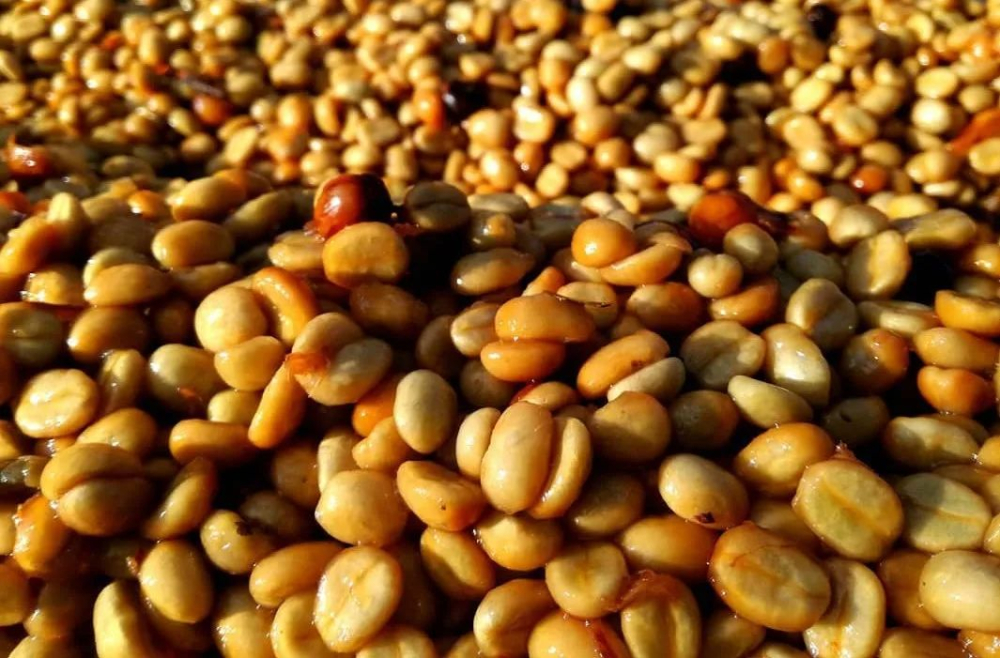
When coffee cherries are harvested, the pulp surrounding the seeds is rich in sugar and moisture, which are key elements influencing the final flavor. The core of honey processing lies in how much of this mucilage is preserved and how the beans are dried afterward. The more mucilage retained, the higher the degree of fermentation, the longer the drying time, and the more complex and intense the resulting flavors. Depending on how much mucilage is left, we get the familiar types: white honey, yellow honey, red honey, and black honey.
White Honey Processingis the honey processing method closest to traditional washed processing, typically retaining only40%–60%a small amount of mucilage. Fermentation time is short, and it’s mostly sun-dried in open environments, but requiresfrequent turningto prevent mold and ensure even drying. After initial drying, any excess mucilage is washed off, and the drying process is then completed. White honey tends to produce flavors that are clean, with bright acidity and gentle sweetness.
Yellow Honey Processingalso retains mucilage at around60%a similar proportion, with a slightly longer fermentation time than white honey, though still considered a relatively short fermentation. Overall sun drying usually takes about7–8 days. During drying, yellow honey requireshigh-frequency turning, approximately once an hour, to ensure even heat distribution and to avoid over-fermentation or mold. In cupping, yellow honey often shows balanced acidity and sweetness, along with a smooth, juicy mouthfeel.
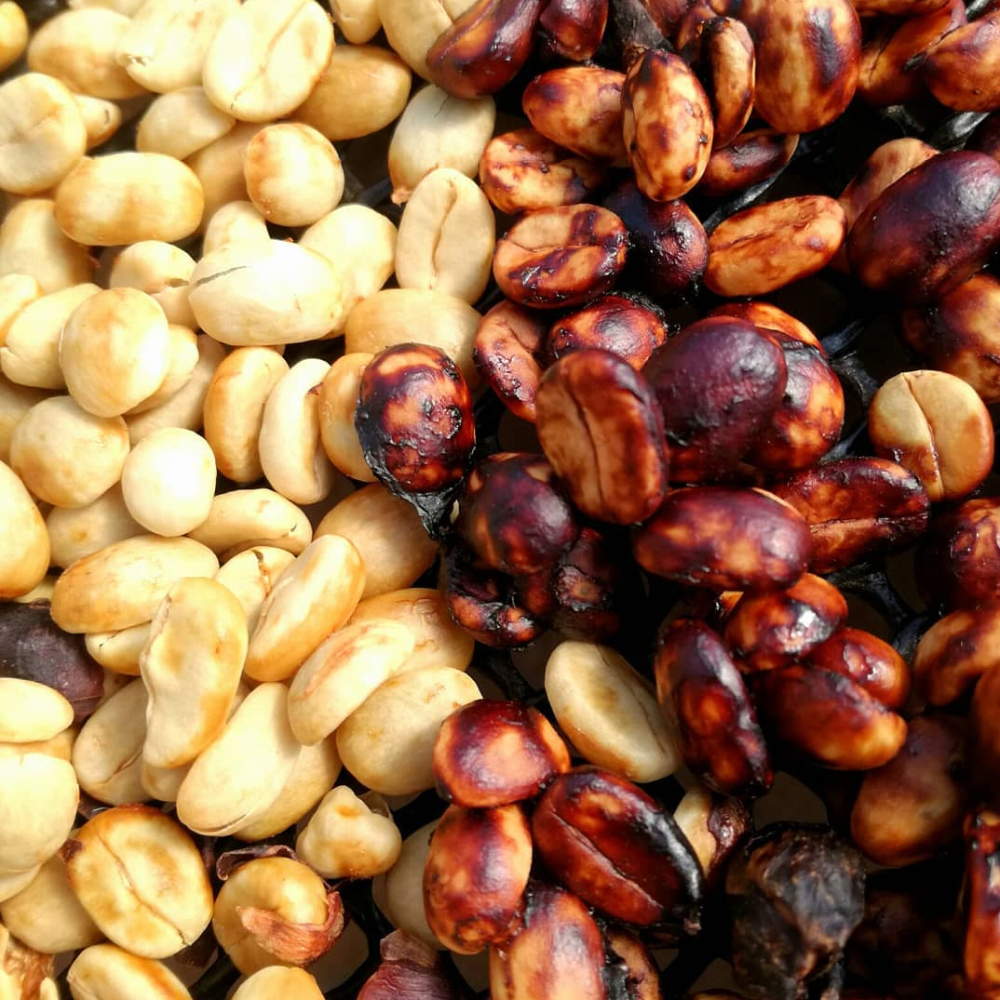
Moving on toRed Honey Processing, this is the most popular type of honey processing on the market. It retains about50%–80%a moderate amount of mucilage, sitting between washed and natural processes, and typically involves a drying period of around12 days. Compared to yellow honey, red honey is turned less frequently—just a few times per day—which allows the mucilage more time for slow fermentation, developing richer sweetness and fruity notes. In high-altitude regions like Costa Rica, red honey processing can highlight delicate acidity and bright sweetness, with common flavors including citrus, berries, and honey.
As forBlack Honey Processing, it is the type with the most mucilage retained and the deepest level of fermentation among all honey processes, usually keeping over80%a high percentage of mucilage, and fermenting for at leasttwo weeks or more, depending on weather conditions. This method is almost like natural processing, but with even more control and attention to detail. Black honey is turned very infrequently during drying—perhaps just once a day—allowing the mucilage and seeds to develop intense sweetness, full body, and even wine-like layers through prolonged fermentation. Flavor profiles often include bold dried fruits, grapes, blueberries, strong sweetness, and winey notes.
Costa Rica, as a representative country for honey processing, has the Tarrazú region as a honey processing mecca in the eyes of many specialty coffee enthusiasts. Café Sol Naciente is located here, situated at an altitude of1750 metersin Santa María de Dota. Not only does it benefit from excellent terroir, but its microclimate and ecological environment are also key to producing high-quality coffee.
Founded in 1990 by Arturo Bonilla and Xinia Martínez and now family-run, Café Sol Naciente divides the estate into multiple micro-lots, selecting the most suitable processing methods based on the microclimate and soil characteristics of each plot. In 2015, the farm established an eco-micro mill named “Sol Naciente,” committed to sustainability and precision, focusing on producing high-traceability, high-quality coffee.
The farm is surrounded by beautiful scenery and lies adjacent to the Los Santos Biological Corridor, which features three different types of rainforest climates and 14 natural ecosystems, as well as being home to many rare flora and fauna. Café Sol Naciente mainly grows varieties such as Catuaí, Ethiopia 47, and Geisha. The red honey coffee introduced here is made from theCatuaí varietyand processed using the red honey method.
Catuaí is a hybrid variety developed by the Brazilian Agricultural Research Corporation, combining Yellow Caturra and Mundo Novo. It is known for its disease resistance, suitability for high-density planting, and balanced flavor profile. The tree is shorter in stature, making it easier to manage and more resistant to harsh weather—thus favored by many Central American farms. Red honey processed Catuaí often exhibits clear fruitiness, sweet orange, honey, and light wine-like notes, with bright yet non-aggressive acidity.
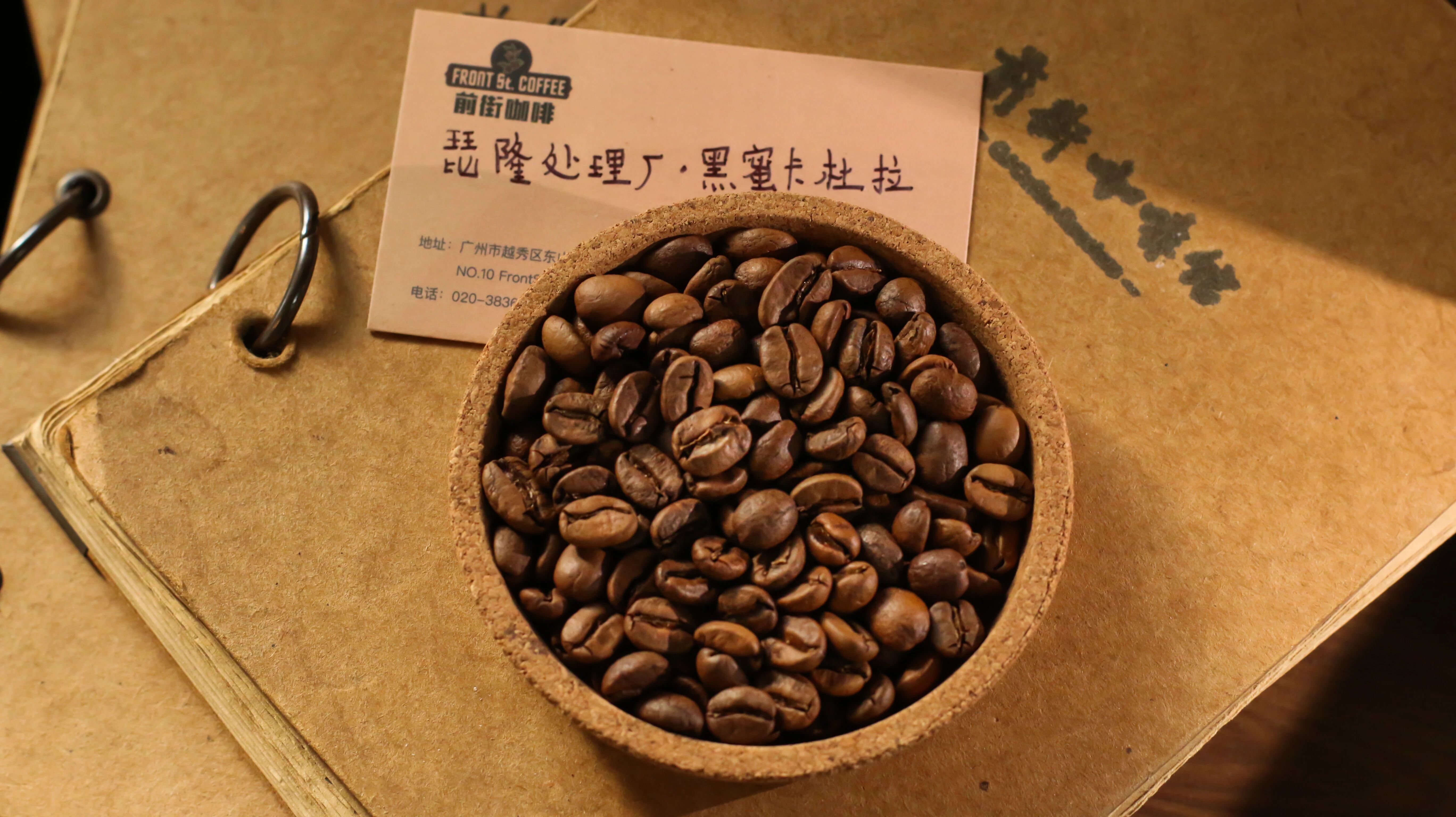
To fully showcase the honey-like richness and caramel layers of this red honey Catuaí, roasters often opt fora medium-light roastto preserve more floral-fruity notes and sweetness. In cupping, this coffee presents layers of sweet orange, cream, grapefruit, honey, and black tea, with dry fragrance featuring orange, dried fruit, creamy sweetness, and subtle floral notes. Once brewed with hot water, it releases the sweet aromas of honey and toffee.
When aspirated, the high-temperature stage reveals red floral notes, grapes, prune, and apricot fruit tones. As the temperature lowers, the citrus acidity becomes crisper, while the black-tea-like finish brings a smooth and gentle conclusion. The overall mouthfeel is clean with a sweet aftertaste, making it a classic choice for experiencing the charm of honey processed coffee.
The above content is compiled by CoffeeHunters, a coffee news website.


