







Introduction:Kenyan coffee is renowned for its vibrant acidity and rich mouthfeel, with the SL28 and SL34 varieties being the masterminds behind this classic flavor profile. How did these two legendary varieties from the Scott Laboratories evolve under the threat of leaf rust? What roles do Ruiru 11 and Batian play? This article takes you on an in-depth exploration of the history, characteristics, and market status of Kenya’s main coffee varieties.
When Kenyan coffee comes to mind, many people first think of that vividly bright acidity with a hint of fruity notes, paired with a full-bodied, juice-like mouthfeel that leaves a lasting impression. This distinctive flavor profile largely stems from the two most representative coffee varieties in the region—SL28 and SL34. These two varieties not only established Kenyan coffee’s global reputation but also deeply influenced the evaluation criteria of specialty coffee.
SL actually stands for Scott Laboratories, the former name of the Kenya Coffee Research Station, which was established in 1922 and later reorganized into NARL (National Agricultural Research Laboratories). In the 1930s, this institution launched a large-scale coffee variety screening program to identify strains with greater adaptability and flavor potential. The project involved over 40 experimental varieties, and the ones that ultimately stood out were SL28 and SL34.
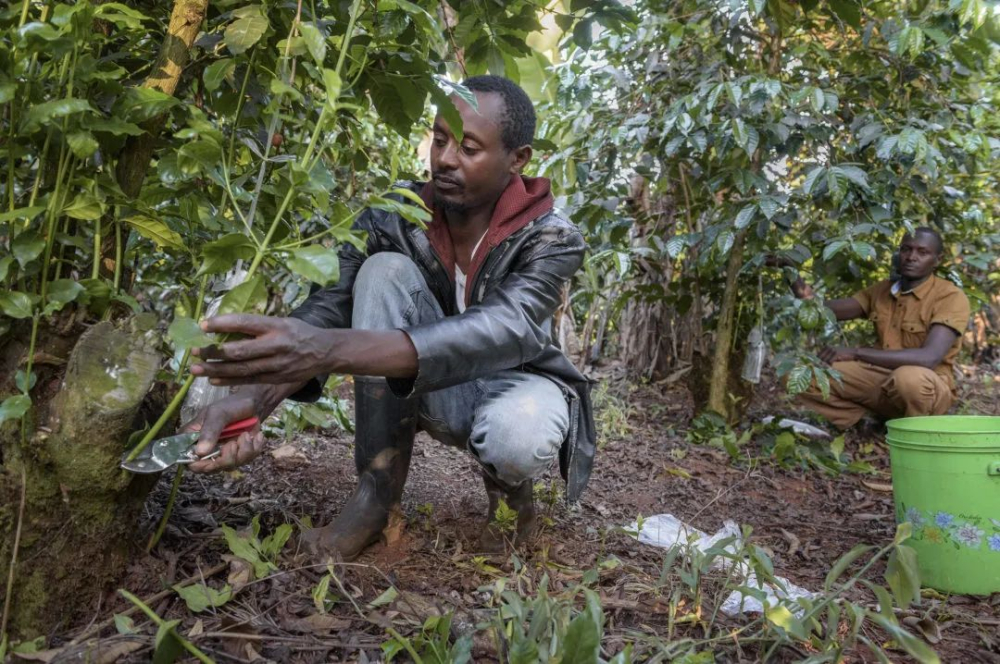
The research team at the time included entomologists, mycologists, and plant breeders who not only studied how to increase yields but also delved into topics such as disease resistance, pruning techniques, shade cultivation, and soil management. Given Kenya’s long-standing threats from drought and pests, researchers traveled to neighboring Tanzania to seek out promising native coffee tree varieties. After decades of effort, SL28 and SL34 were officially introduced in the 1950s. These varieties quickly replaced the earlier Bourbon varieties and became the mainstay of Kenya’s coffee-growing regions.
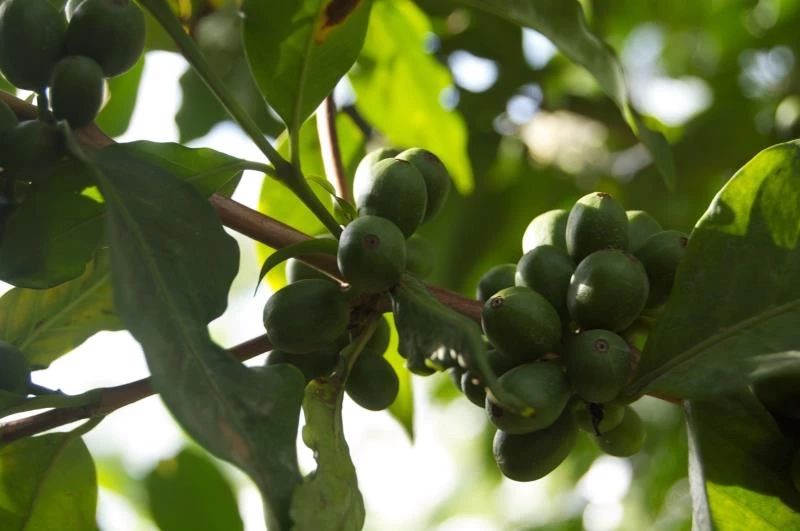
SL28 has a complex genetic background, combining lineage from French Mission, Mocha, and Yemeni Typica. The plants are relatively tall with emerald green leaves, and their green beans are larger in size. Although the yield is decent, the variety is less resistant to diseases, particularly susceptible to leaf rust and coffee berry disease (CBD), as well as pests and soil nematodes. However, it delivers exceptional flavor performance, often featuring intense black plum and citrus aromas, accompanied by deep stone fruit acidity, with a rich, wine-like mouthfeel.
In comparison, SL34 has slightly darker bronze-colored leaf tips and requires slightly more nutrients during growth, resulting in a somewhat lower overall yield. However, its flavor potential is not to be underestimated. When grown at high altitudes, SL34 exhibits excellent brightness in acidity, along with nutty and spicy aromatic notes. Its beans are also relatively large, with clean acidity and fruity undertones, making its overall performance quite similar to SL28, while also sharing sensitivity to CBD, leaf rust, and pests.
The unique flavors of these two varieties have shaped the classic image of Kenyan coffee, making it a favorite among global pour over enthusiasts. For example, a coffee brand once released a Kenyan offering from the Aseylia region, using a blend of SL28 and SL34. Its washed processing method brought out a rich array of aromas such as cherry tomatoes, black plums, pears, and berries, with a layered mouthfeel. It’s one of the Kenyan beans often recommended by baristas for beginners.
However, due to the limited resistance of SL28 and SL34 to common diseases, in 1985, the Kenya Coffee Research Institute (CRI) introduced the new variety Ruiru 11, followed by Batian in 2010, aiming to enhance the overall disease resistance and stable yield of the region.
Ruiru 11 is the result of crossing 11 different genetic lines, including SL28, SL34, Bourbon, Rume Sudan, as well as Tanzanian varieties K7 and N39, with the mother plant being Indonesia’s Catimor—an early F1 hybrid known for its hybrid vigor. This variety offers higher yields and good resistance to both leaf rust and coffee berry disease, making it suitable for coffee farms with varying growing conditions. However, its shallow root system makes it prone to drought stress, and its flavor generally doesn’t match that of the SL series, so it’s often considered somewhat ordinary in cupping performance.
Batian, on the other hand, was developed through backcrossing improvements with SL28 and SL34 based on the shortcomings of Ruiru 11, and is regarded as an upgraded version of Ruiru 11. Its name is derived from one of Kenya’s highest mountains. Batian not only retains the advantages of high yield and disease resistance but also reduces reliance on pesticides, with an estimated 30% reduction in annual farming costs. Han Huai-zong points out in “The Fourth Wave of Specialty Coffee” that Batian boasts sweet cane-like notes, clear citrus acidity, and a strong berry character, making its flavor highly distinctive.
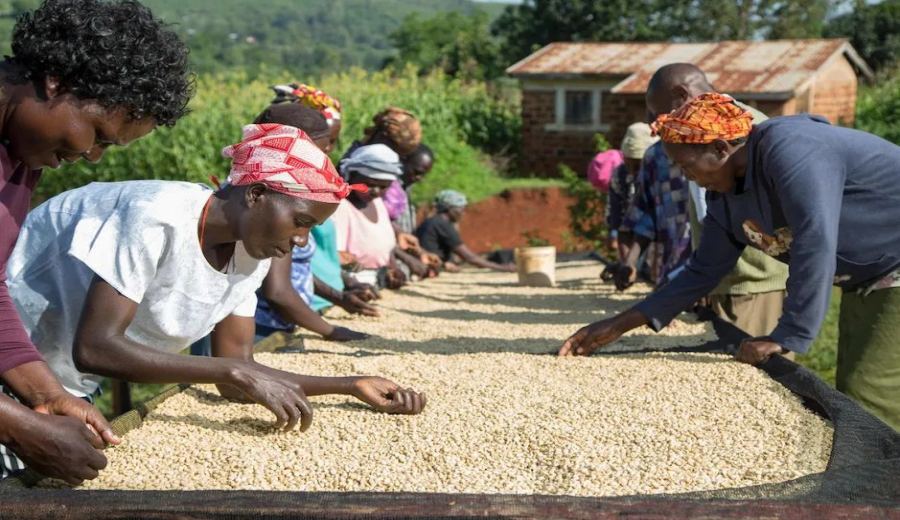
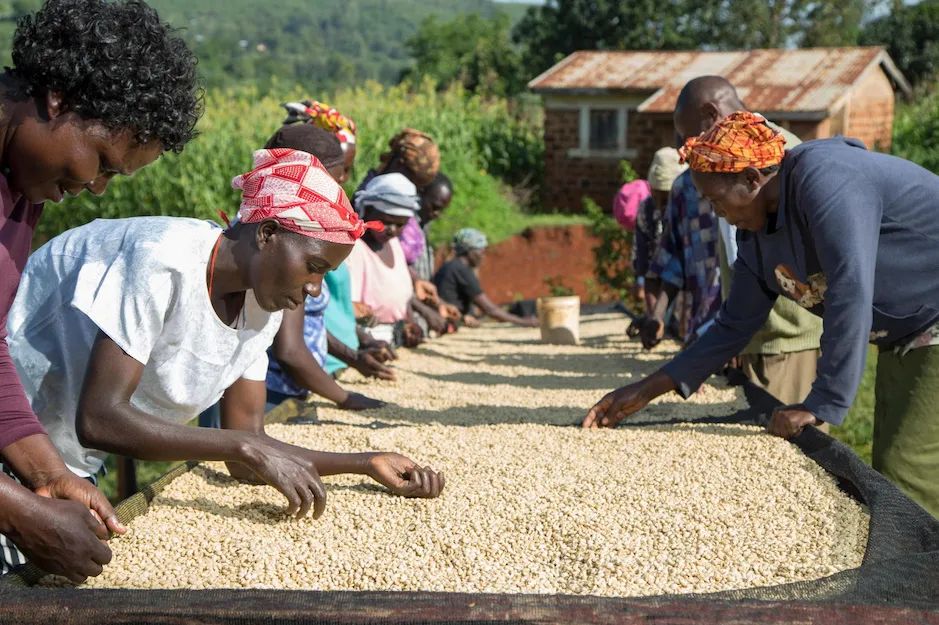
It’s worth noting that it’s rare to find single-variety coffees labeled as SL28, SL34, Ruiru 11, or Batian on the market. This is because Kenyan coffee is mostly grown by smallholder farmers, typically harvested and processed collectively by washing stations, after which different varieties are blended for washed processing. As a result, the Kenyan coffee consumers purchase is often a batch blended from multiple varieties, which may include Batian or Ruiru 11, but it’s difficult to distinguish them individually.
The above content is compiled by CoffeeHunters, a coffee news website.


