







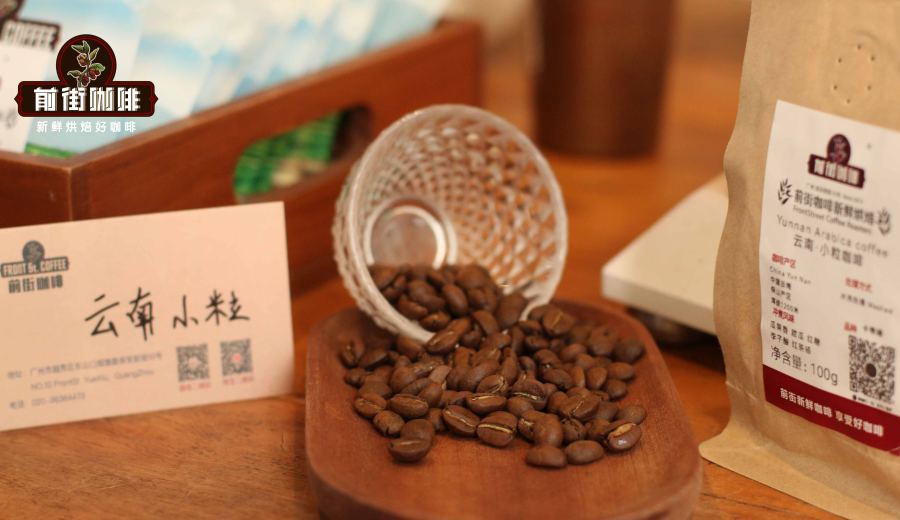
Introduction:Yunnan small-grind coffee has gained significant attention in recent years, yet its varietal background, flavor characteristics, and pour-over performance often puzzle coffee enthusiasts. This article delves into the origins and traits of Typica and Catimor, explores the evolution of Yunnan coffee from commercial beans to specialty-grade, and provides insights into brewing techniques alongside flavor profiles of two representative beans (Baoshan washed Catimor and Lincang natural Typica) to help you master the brewing essentials and tasting highlights of Yunnan beans.
When it comes to Asian coffee, many immediately think of the bold, herbal notes of Indonesian Mandheling. However, within China, Yunnan small-grind coffee is also steadily carving out its own niche. What exactly is Yunnan small-grind? Which variety does it belong to? Is its pour-over performance worth trying? This article starts with the evolution of coffee varieties, tracing the past and present of Typica and Catimor, to explain how Yunnan coffee transitioned from mass-produced commercial beans to a region with specialty potential. It also offers practical pour-over tips and specific flavor descriptions to help you gain a deeper understanding of this unique coffee from Yunnan.
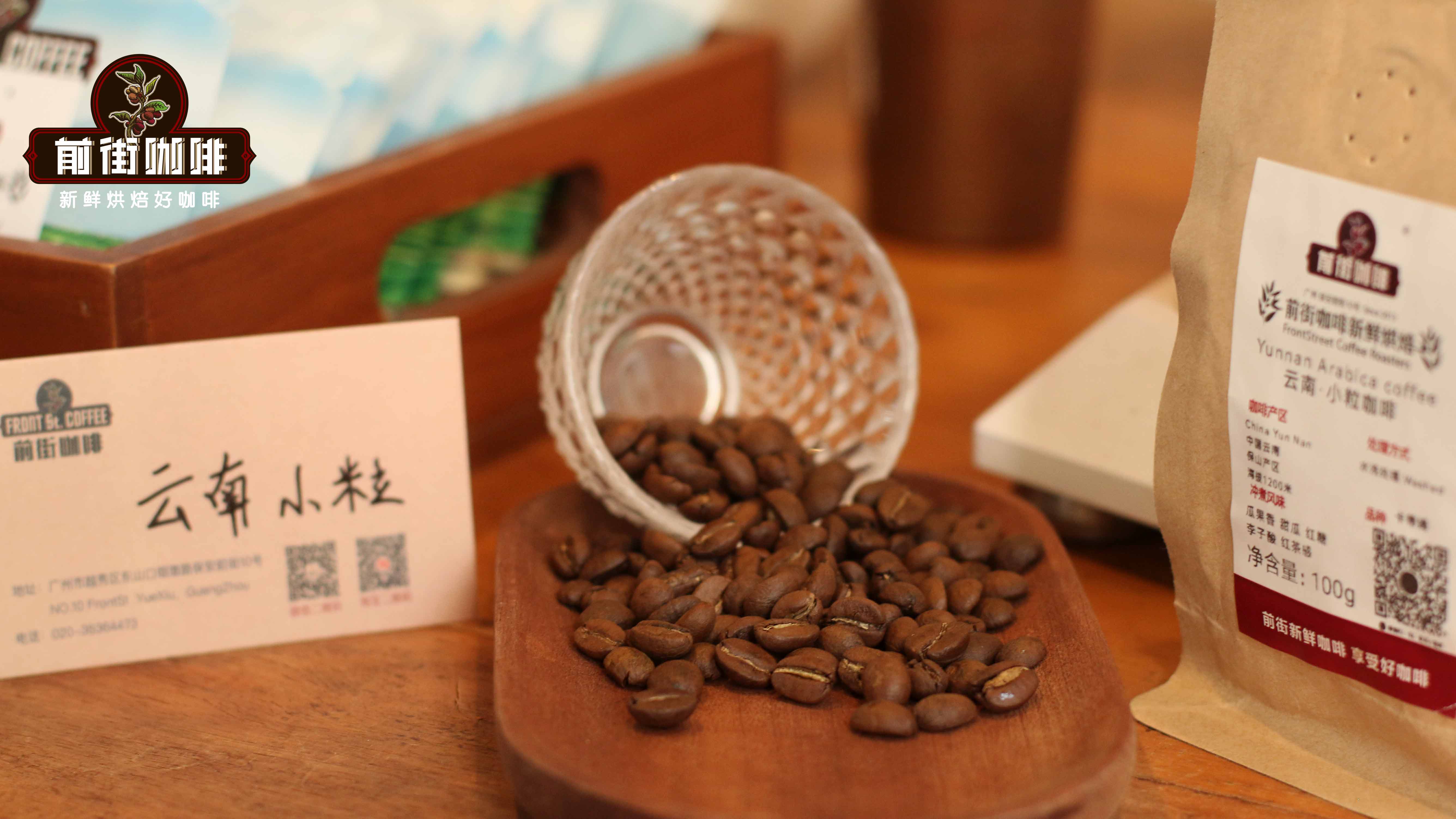 Yunnan small-grind coffee belongs botanically to the Coffea arabica species and is the predominant coffee type in China. As early as the 1950s, the Baoshan region began cultivating several traditional varieties including Typica, Bourbon, and S288. Among them, Typica, one of the oldest Arabica variants, is renowned for its elegant and clean cup profile but suffers from low yield and high susceptibility to diseases, making cultivation challenging. To enhance regional productivity, Catimor — a disease-resistant, high-density planting adaptable variety — was later introduced and has gradually become the most widely planted main variety in Yunnan. Most of what is referred to as “Yunnan small-grind” on the market today is Catimor.
Typica: The Classic Pioneer of Arabica
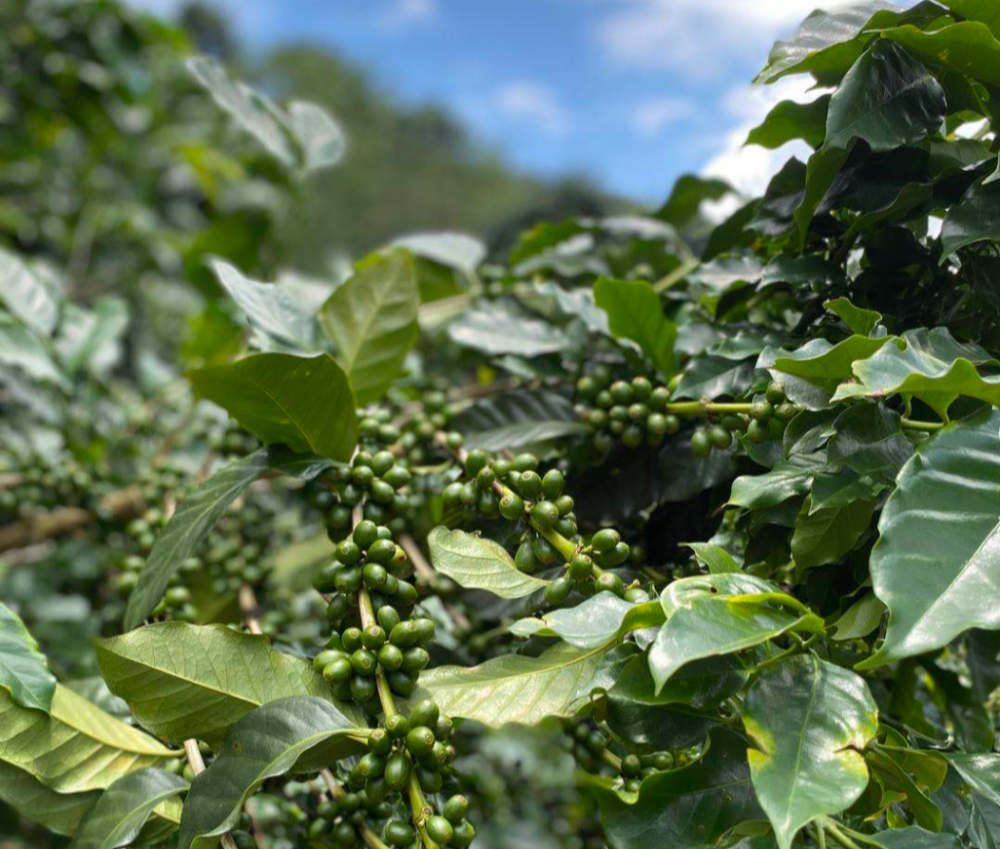
Typica is not only an important early variety in Yunnan but also the “ancestor” of many well-known coffees. Varieties such as Jamaican Blue Mountain, Hawaiian Kona, and Sumatran Mandheling are actually regional adaptations of Typica. Originally from Ethiopia and southeastern Sudan, Typica is one of the oldest varieties within the Arabica family and is sometimes referred to as “the old variety of small-grind coffee.” Typica trees are relatively tall, with branches forming a cone shape at about a 60-degree angle, and leaves are mostly dark bronze, exhibiting a reddish-copper sheen when young — hence it is also called “red-topped coffee.”
Though it possesses high cupping potential and rich layers of fruity aromas, Typica has relatively low yields, along with higher cultivation and management demands, requiring more effort to produce stable, high-quality beans. For coffee lovers who value pure flavor profiles, Typica remains a classic variety worthy of attention.
Catimor: The Practical Choice for Commercial Needs
Catimor is a distinctly commercial variety developed to meet large-scale production demands. Originating in 1959, it was created by Portuguese scientists through a cross between Caturra (a natural mutation of Bourbon) and Timor (a natural hybrid of Robusta and Arabica). Timor, with its Robusta heritage, offers strong disease resistance and adaptability, while Caturra is known for its good cup quality and stable yields. As a result, Catimor combines multiple practical traits — high yield, early maturation, and disease resistance — making it especially suitable for low-altitude cultivation.
However, Catimor has long been criticized for its flavor, often described as having a heavy-bodied or flat profile with less complexity, leading it to be primarily used in instant coffee or bulk commercial products. Market acceptance has traditionally been low, with some producers even reluctant to state its varietal name on packaging. Nevertheless, with continuous improvements in cultivation techniques, post-harvest processing, and altitude selection in the Yunnan region, well-managed Catimor can now also exhibit surprising clarity and aromatic qualities.
Practical Pour-Over Performance: Baoshan Washed Catimor vs. Lincang Natural Typica
Based on actual tasting experiences, a washed Catimor from a certain region (such as a daily drinker offering from a specific shop) showcases a nutty base, balanced with subtle plum fruitiness and brown sugar sweetness — delivering a clean, refreshing cup with a crisp aftertaste. On the other hand, a naturally processed Typica from another area (for example, a 2013 offering from a particular shop) develops richer berry, caramel, and black tea aromas due to natural fermentation, featuring bright acidity and a medium-to-high body, making it ideal for those who enjoy layered complexities.
Processing Method Differences and Regional Characteristics
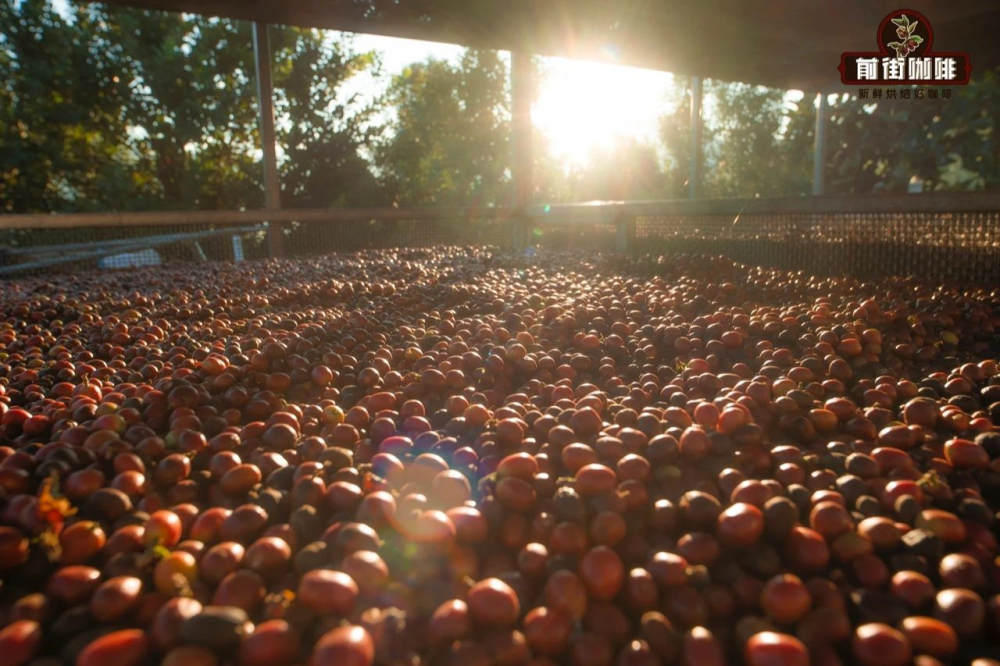
Due to equipment limitations, most coffee farmers in Yunnan mainly use washed or natural processing methods. Washing enhances clarity and highlights the foundational regional characteristics, making it particularly suitable for expressing the balanced traits of Catimor. Natural processing, meanwhile, better emphasizes the fruity acidity and delicate aromatics of Typica, though it requires stable weather conditions and skilled techniques to avoid over-fermentation. The Lincang region, influenced by warm, humid airflows from the Indian Ocean and the southwest monsoon, features distinct wet and dry seasons, ample sunlight, moderate rainfall, and short or even no frost periods — creating an environment highly conducive to Arabica growth, especially the detail-oriented Typica variety.
Pour-Over Parameter Suggestions and Extraction Tips
If you’ve acquired Yunnan small-grind coffee beans, it’s best to enjoy them while fresh, as roasted beans typically reach peak flavor within five days. Below are practical pour-over recommendations for general Yunnan washed Catimor beans:
- Filter Dripper:Hario V60
- Coffee Dose:15 grams
- Water Temperature:90°C
- Grind Size:75% passing through a #20 sieve (medium-fine grind, similar to the texture of fine sugar)
- Coffee-to-Water Ratio:1:15
- Brewing Method:Three-pour method
1. Begin with a bloom using twice the coffee dose (about 30 grams) of water for approximately 30 seconds to help release aromas.
2. Then pour in a small, steady stream in a circular motion from the center outward until reaching 125 grams, followed by a brief pause.
3. Finally, pour up to 225 grams in the last stage, keeping total extraction time around 2 minutes.
Pay attention to even pouring and maintaining a level coffee bed to avoid channeling and ensure consistent extraction.
Flavor Summary
The flavor profile of Baoshan washed Catimor is clear: it opens with notes of nuts, herbs, and chocolate, complemented by caramel sweetness and a light fruity acidity in the aftertaste — overall presenting a clean and balanced cup. Meanwhile, Lincang natural Typica showcases more intense fermented flavors, with caramel, nut, and citrus aromas prominent in hot cups, shifting to plum-like acidity and notes of black tea and sugarcane sweetness as it cools — offering a full-bodied, layered experience ideal for slow sipping.
Whether you’re a beginner or a coffee enthusiast seeking diverse flavor experiences, Yunnan small-grind coffee is an excellent choice for exploring the unique flavor characteristics of Asian coffee regions.
The above content is compiled by CoffeeHunters, a coffee news website.


