







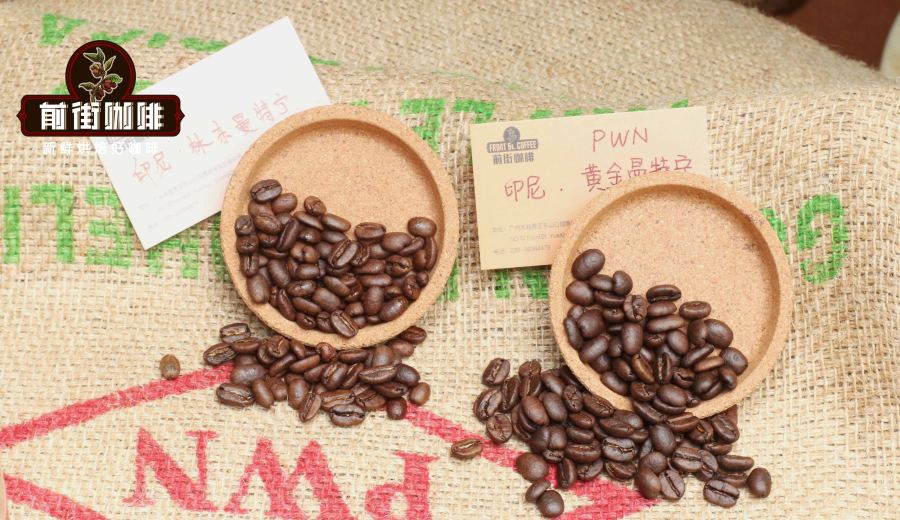
Introduction:Want to understand why Indonesian Golden Mandheling boasts a rich body and unique herbal-spicy notes? This article delves into the seven key steps of Indonesia’s wet-hulling processing method, analyzes its unique advantages in humid climates, and explains how this technique creates the distinct regional character of Golden Mandheling. We also provide expert pour over recommendations—including filter choice, grind size, water temperature, and three-phase pouring techniques—to help you brew this classic Mandheling with flavors of dark chocolate and caramel at home.
The reason Indonesian Golden Mandheling has such a bold, full-bodied taste and distinctive herbal-spiced aroma lies in its unique wet-hulling processing method. This technique involves removing the parchment layer from the beans before they are fully dried, a process that, while increasing the risk of defective beans, also shapes Mandheling’s unforgettable regional identity.
Wet hulling, officially known as Wet Hulling and locally called Giling Basah, is an age-old coffee processing tradition in Indonesia. At first glance, it may seem similar to washed processing, but the flavor profiles they produce in cupping are markedly different. Coffee processed via wet hulling typically exhibits a heavier, more pronounced character.
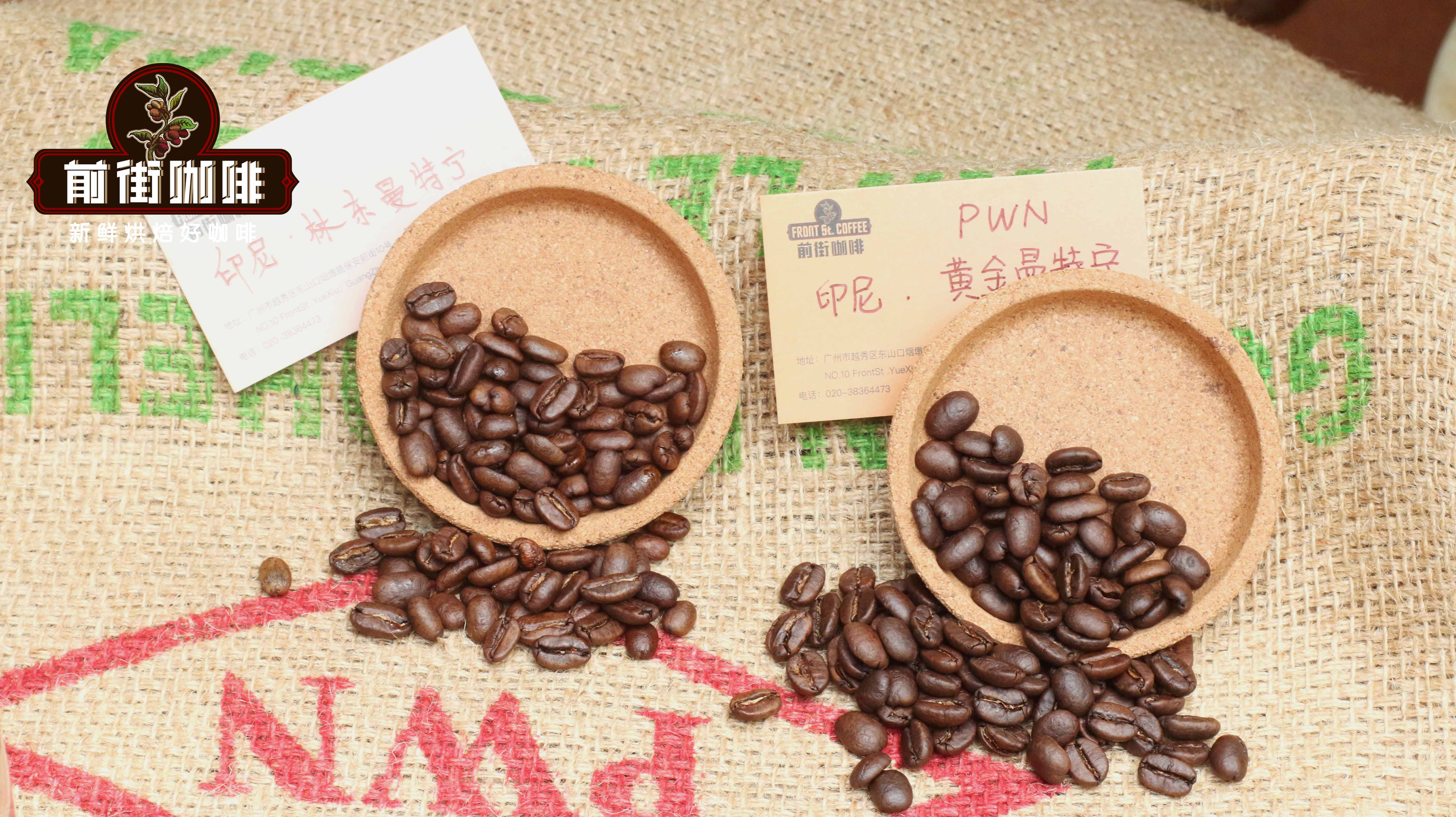
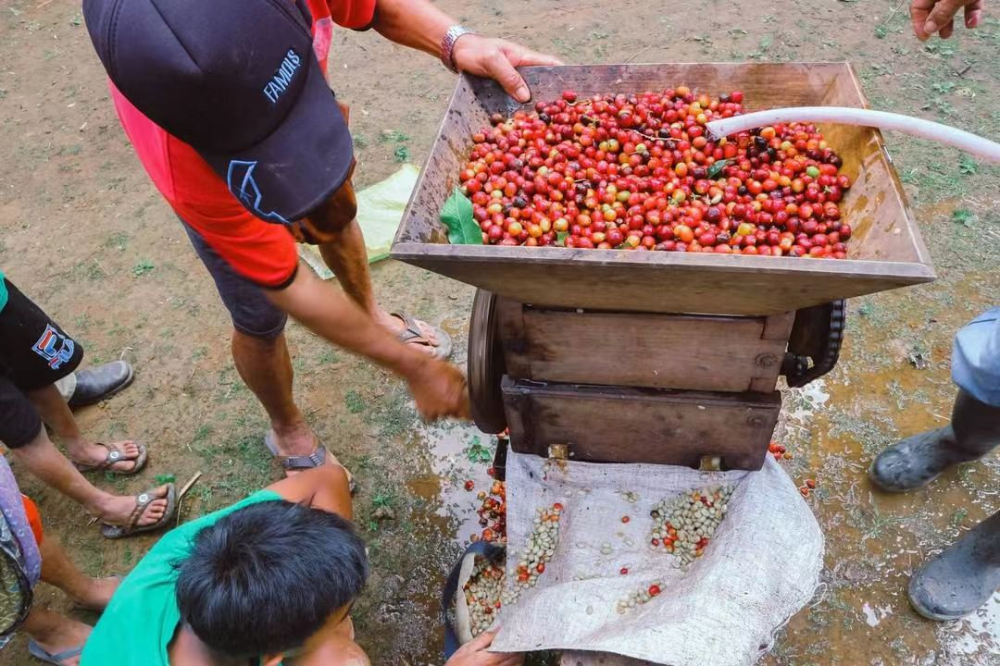
In the wet hulling process, farmers first remove the skin and pulp of the coffee cherry, leaving the parchment and mucilage intact. The beans then undergo brief fermentation in water tanks to dissolve the mucilage, followed by thorough rinsing. At this stage, the green beans are dried to approximately 35%–40% moisture content and sent to collection stations, where beans from different batches may be mixed, leading to variations in moisture levels and fermentation states.
The parchment-covered beans are then sun-dried for 2–3 days until their moisture content drops to 20%–24%. Next, they’re fed into a specialized wet mill, where intense friction removes the parchment layer. Since the beans are semi-dry and soft at this point, the machine’s operation can easily damage them, often leaving small dents at the ends—commonly called “horse hoof beans” or “goat hoof beans.”
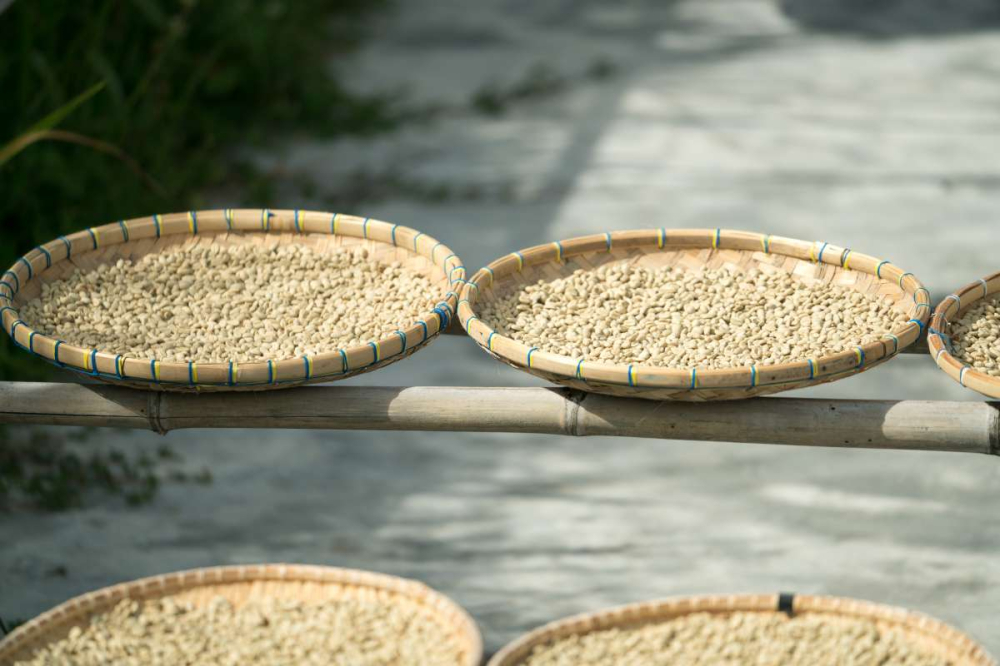
The hulled beans are then dried directly in open environments such as patios, tarps, or roadsides. During this final drying phase, the process speeds up significantly, with moisture content rapidly falling to 12%–13%. Ultimately, these deep green or blue-gray beans are sorted, graded, and packaged for export. However, without the protective parchment, the beans are more vulnerable to mold and bacteria, and direct sunlight can cause uneven drying, affecting the consistency of the final roast.
Why does Indonesia opt for wet hulling, a seemingly riskier processing method? The answer lies in its humid, rainy climate. Year-round humidity in Indonesia often ranges from 70% to 90%, with some regions receiving over 2,000 mm of rainfall annually. In such conditions, naturally drying coffee beans to the optimal moisture level is an immense challenge.
Conventional washed processing retains the parchment during drying, offering some protection to the beans. In contrast, wet hulling removes the parchment while the beans are still high in moisture, exposing them directly to sunlight and air—thus drastically shortening the drying time to just one-third to one-half of traditional washed methods. This approach also gives Indonesian coffee its signature woody, spicy, and herbal “regional character.”
The wet hulling process can be summarized in the following steps: First, the skin and pulp are removed, leaving the parchment and mucilage; next, the beans undergo tank fermentation; the mucilage is then washed away with clean water; the parchment-covered beans are sun-dried for 2–3 days until moisture reaches 20%–24%; the parchment is removed by machine; the beans are then dried to 12%–13% moisture; finally, they are graded and prepared for export.
Golden Mandheling, a classic representation of wet hulling, is primarily produced by Indonesia’s Sumatra-based PWN company. The company enforces extremely strict bean selection, choosing only G1-grade beans from specific regions such as the Gayo Lake Tawar area. These beans undergo four rounds of manual sorting to ensure uniformity in color, size, and shape, with defect rates kept below three per 300-gram sample to meet the highest G1 standards.
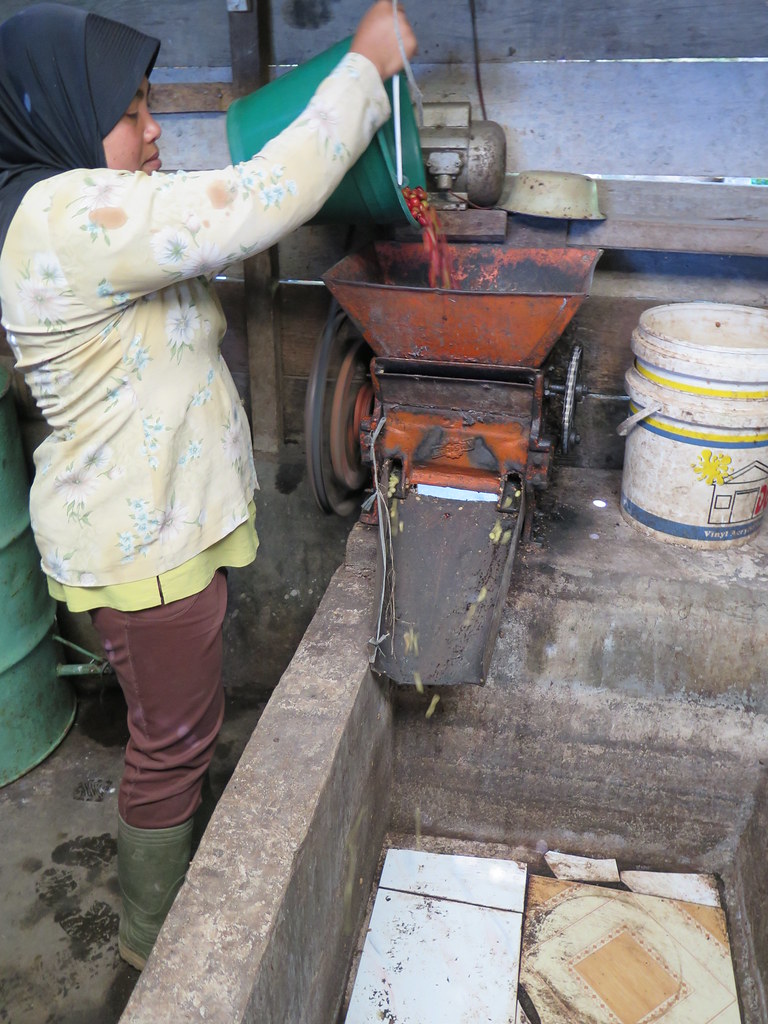
This rigorous selection process, combined with the unique flavor profile brought by wet hulling, results in a Golden Mandheling that is not only clean and sweet but also exhibits greater body. To fully showcase its flavor potential, roasters typically use a medium-to-dark roast to enhance the aromatic expression of dark chocolate and caramel.
If you wish to brew Golden Mandheling at home using the pour over method, we recommend using a KONO filter. Compared to the V60, the KONO filter has smoother curves, weaker airflow, and fewer ribs, helping the coffee bed maintain moderate blooming and immersion extraction during brewing. This approach highlights a rounder, fuller body—especially well-suited for medium-to-dark roasted Mandheling.
For grind size, due to the more porous structure of medium-to-dark roasted Mandheling, we suggest using a Chinese No. 20 sieve with an approximately 70% extraction rate to minimize the risk of over-extraction. Water temperature should be set between 87°C and 88°C to avoid extracting excessive bitterness or charred flavors from overly high heat.
Recommended pour over parameters are as follows: Use 15 grams of coffee, with a 1:15 coffee-to-water ratio for a total of 225 milliliters. A three-phase pouring method is advised: First, pour 30 milliliters for blooming to awaken the coffee grounds and release CO₂; second, pour 100 milliliters to lift the coffee bed and bring out golden crema; finally, pour 95 milliliters gently around the center to enhance sweetness and body, fully expressing the layered notes of dark chocolate, caramel, and nuts.
The above content is compiled by CoffeeHunters, a coffee news website.


