








Introduction:As the world’s second-largest producer of Arabica coffee, Colombia, with its high altitudes and diverse climates, cultivates a wide array of specialty coffees with unique flavor profiles. This article delves into three renowned coffee-growing regions in southwestern Colombia—Nariño, Cauca, and Huila—analyzing their altitudes, microclimates, and harvest seasons. It also highlights the processing techniques and pour over recommendations for the washed Caturra variety from the Huila region, helping coffee enthusiasts master both the tasting and brewing nuances from regional characteristics to extraction parameters.
Colombia is the world’s second-largest producer of Arabica coffee, trailing only Brazil. Its exceptional geographical environment makes it one of the premier sources of specialty coffee. Nestled near the equator along the Andes Mountains, the country offers varied altitudes and climate conditions, producing coffee beans with delicate flavors, mild acidity, and bright aromas. These beans are highly regarded whether used as single-origin pour overs or as blend bases.
Colombia’s coffee-growing regions span the north to the south, predominantly mountainous, with approximately 15 major growing areas nationwide. Among them, the southwestern regions of Nariño, Cauca, and Huila are considered the core of specialty coffee production. These areas not only feature high altitudes, typically ranging from 1,200 to 2,000 meters, but also benefit from volcanic soils and microclimates that foster distinctly regional coffee flavors.

Located in the southwesternmost part of Colombia and bordering Ecuador, Nariño is one of the country’s highest-altitude coffee-growing regions, with plantations reaching elevations of 1,600 to 2,300 meters. The region enjoys a warm, humid climate, along with abundant rainfall and fertile volcanic soils, resulting in coffee beans with balanced sweetness and acidity, as well as outstanding clarity. Nariño has only one main harvest season per year, which begins around April the following year after the rainy season ends in October. In some high-altitude areas, the harvest can even extend until August. Although its output accounts for only 3% to 5% of the national total, it is renowned for its high quality.
Adjacent to Nariño, the Cauca region has an average altitude of about 1,758 meters, reaching up to 2,100 meters, with mountainous terrain and significant day-night temperature variations. This environment slows down the ripening of coffee cherries, facilitating the accumulation of flavor compounds and resulting in coffee that often features gentle sweet-and-sour notes and rich layered taste profiles. The rainy season in this region is concentrated from October to December each year, followed by the flowering and harvest periods, making it a typical seasonal production area.
The Huila region is one of Colombia’s most iconic specialty coffee areas, surrounded by mountains with an average altitude exceeding 1,500 meters. Several major rivers flow through the region, providing abundant water sources and good humidity. The cool monsoons and volcanic soils here create ideal growing conditions for coffee trees, and the coffee produced often exhibits complex aromas and pronounced fruit notes. Huila’s coffee harvest is divided into two phases: the main season runs from September to December, and the secondary season occurs from April to May, ensuring stable, high-quality output throughout the year.
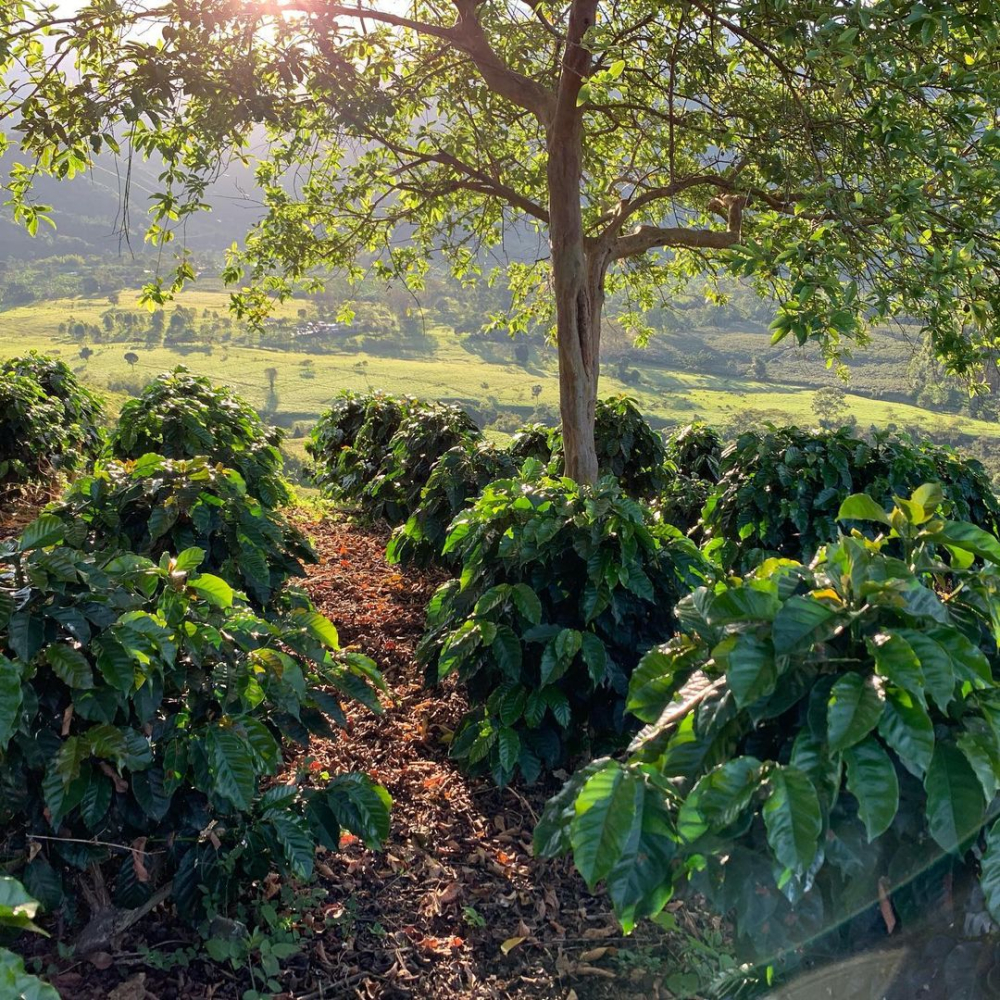
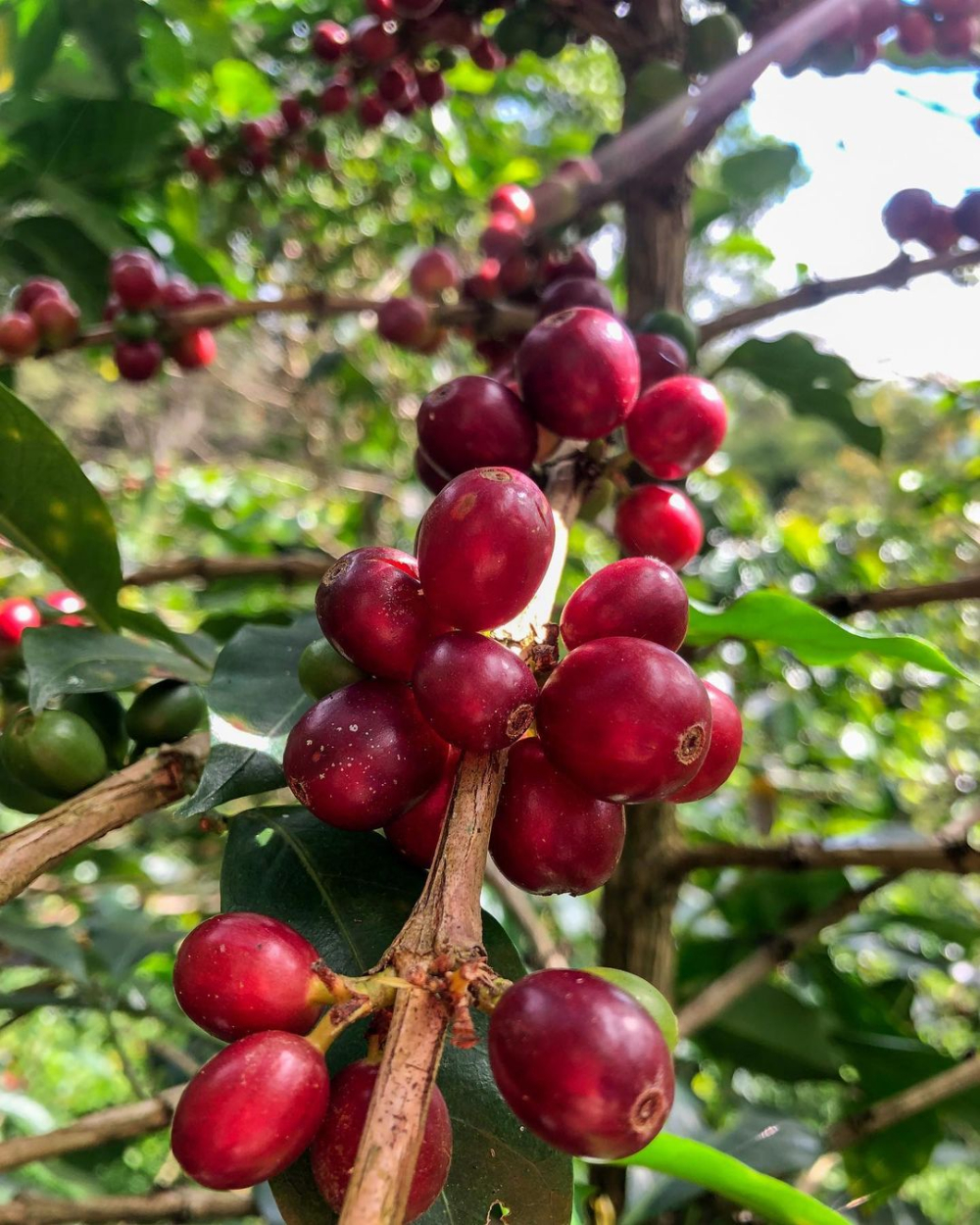
The washed Caturra variety from the Huila region is an ideal choice for many coffee beginners stepping into the world of single-origin beans. This coffee is grown at altitudes of 1,500 to 1,800 meters and processed via the washed method, presenting a flavor profile anchored by notes of nuts, dark chocolate, and caramel, along with mild fruity acidity and a sweet aftertaste. Caturra is a natural mutation of the Bourbon variety. Though slightly less resistant to disease, it boasts higher yields and thrives in direct sunlight without the need for shade trees, making it particularly favored by smallholder farmers. Additionally, Caturra grown at high altitudes tends to display brighter acidity and richer aromas.
The washed processing method is a common practice in Colombia. The steps include: first removing the skin and pulp of the coffee cherry, then placing the parchment-covered beans into a fermentation tank for about 24 hours to allow natural enzymes to break down the mucilage layer; subsequently rinsing with clean water to thoroughly remove any remaining mucilage; and finally spreading the beans evenly to dry until the moisture content drops to around 12.5%. This method effectively highlights the inherent flavor characteristics of the region and is the preferred processing approach for experiencing the essence of each area’s coffee.
For coffee beginners or everyday drinkers, selecting the right brewing parameters is especially important. It is recommended to use freshly roasted coffee beans to ensure the aromas and flavors are at their best. For the Huila washed Caturra, a medium-light roast is advised to preserve subtle fruity acidity as well as rich nutty and chocolatey tones. The grind size should be adjusted to medium-fine, with a water temperature of around 90°C, and a coffee-to-water ratio controlled at 1:15. Use a V60 filter cone for a three-stage extraction: begin with a 30-second bloom using 30g of water, followed by pouring 95g of hot water, then add another 100g once the coffee bed has settled to complete the extraction. Maintaining a steady and fine water flow throughout helps improve extraction uniformity and prevents over- or under-extraction.
The brewed Huila washed Caturra coffee delivers clear and bright flavors. On the palate, it presents a rich sensation of chocolate and nuts, with a lingering aftertaste of subtle caramel. The acidity is soft and well-balanced, and the overall mouthfeel is clean and well-rounded. It is highly suitable for daily drinking or as an entry point for those looking to gain deeper insight into Colombian coffee.
The above content is compiled by CoffeeHunters, a coffee news website.


