







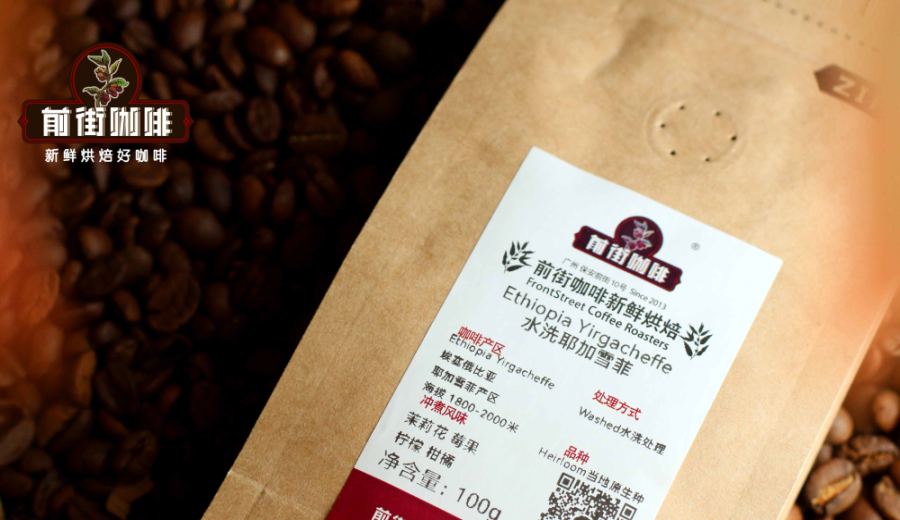
Introduction:As the cradle of coffee, Ethiopia is home to numerous renowned coffee-growing regions. Among them, Yirgacheffe and the recently popular Huila Kou are often confused. This article delves into the geographical backgrounds, variety characteristics, and processing methods of these two major regions, helping you understand their differences in altitude, flavor profiles, and pour over performance. It also provides practical brewing suggestions to help you more accurately appreciate the unique charm of these two classic coffees.
Ethiopia is widely recognized as the birthplace of coffee. When it comes to coffee from this country, many people first think of Yirgacheffe, while another notable variety that has gained attention in recent years—Huila Kou—has gradually entered the view of coffee enthusiasts. However, many still find the relationship between these two beans confusing. In fact, although both Huila Kou and Yirgacheffe come from Ethiopia, they exhibit distinctly different flavor characteristics due to differences in region, variety, and processing methods.
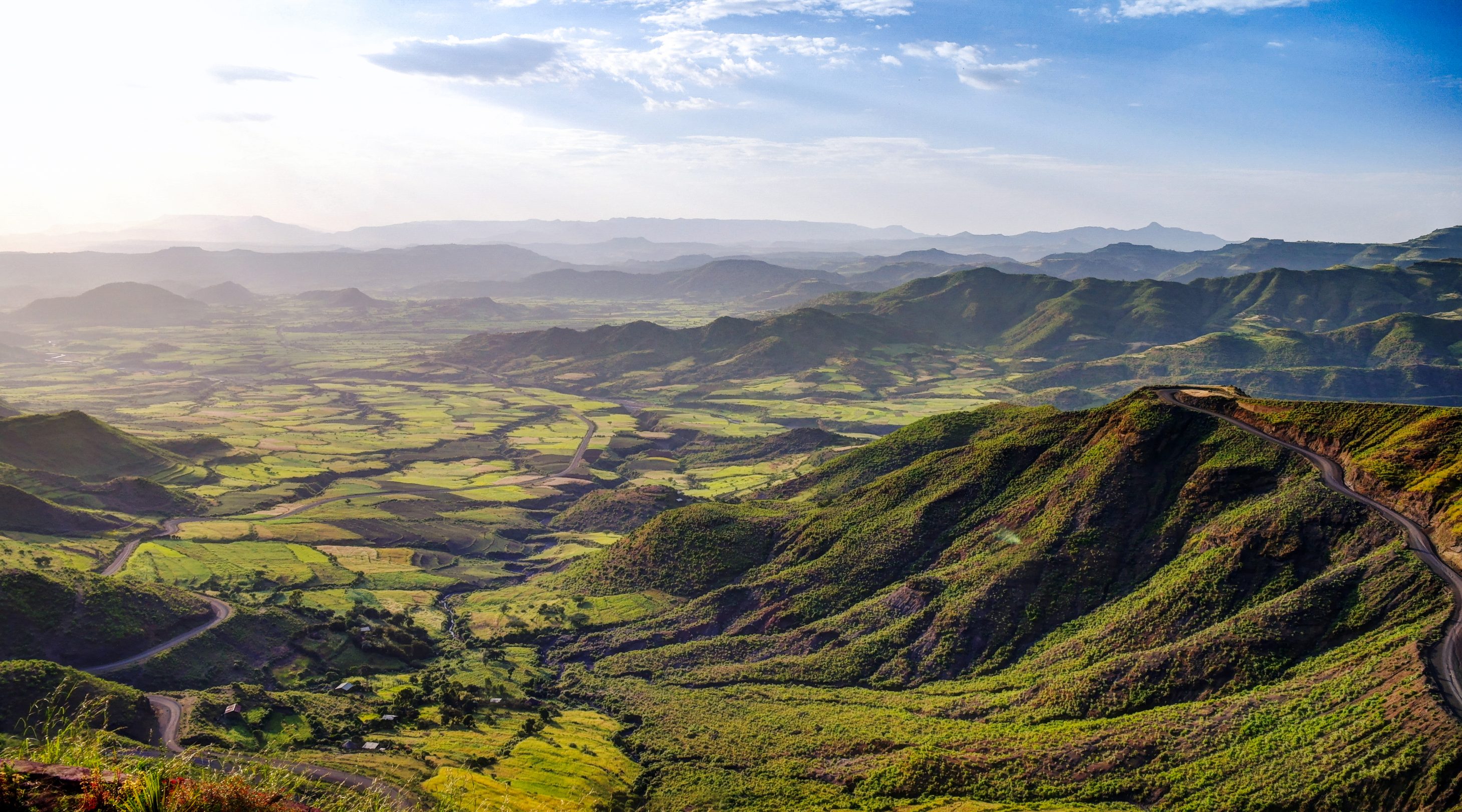
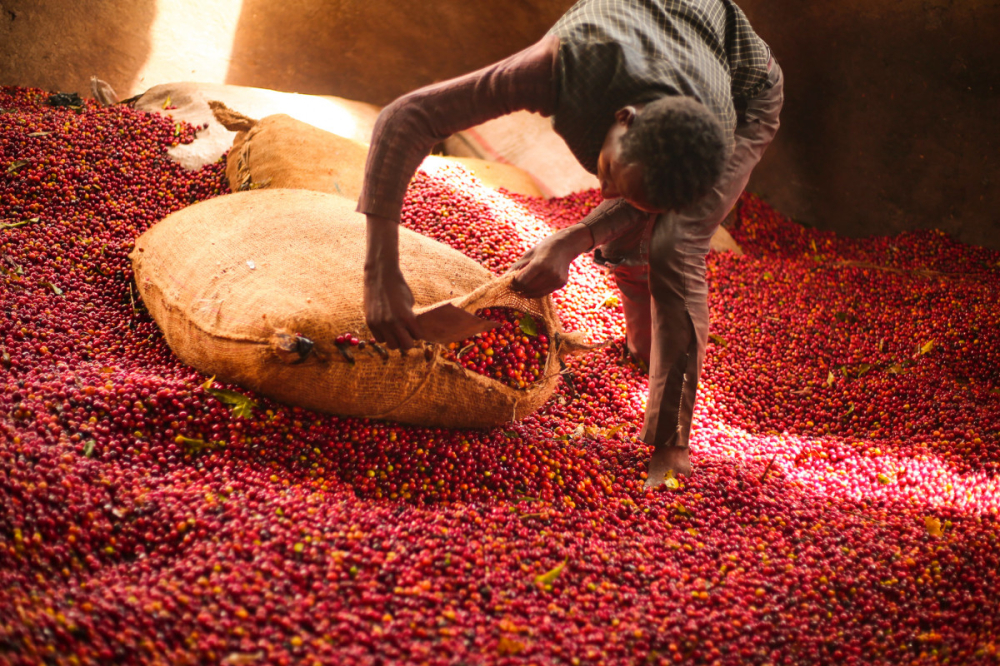
Located in the northeastern part of Africa, Ethiopia sits on the East African Plateau and is known as the “Roof of Africa,” with an average altitude of nearly 3,000 meters. The terrain is predominantly mountainous, and the East African Rift Valley runs through the entire country, creating diverse microclimates and ecological environments. Coffee cultivation in the country is mainly concentrated in the western and southern regions, where over half of the coffee is grown by smallholder farmers using intercropping methods, often alongside banana or plantain trees, forming a unique garden-style coffee landscape. Due to limited production per household, local coffee is usually processed and sold collectively through cooperatives or processing stations to ensure quality and traceability.
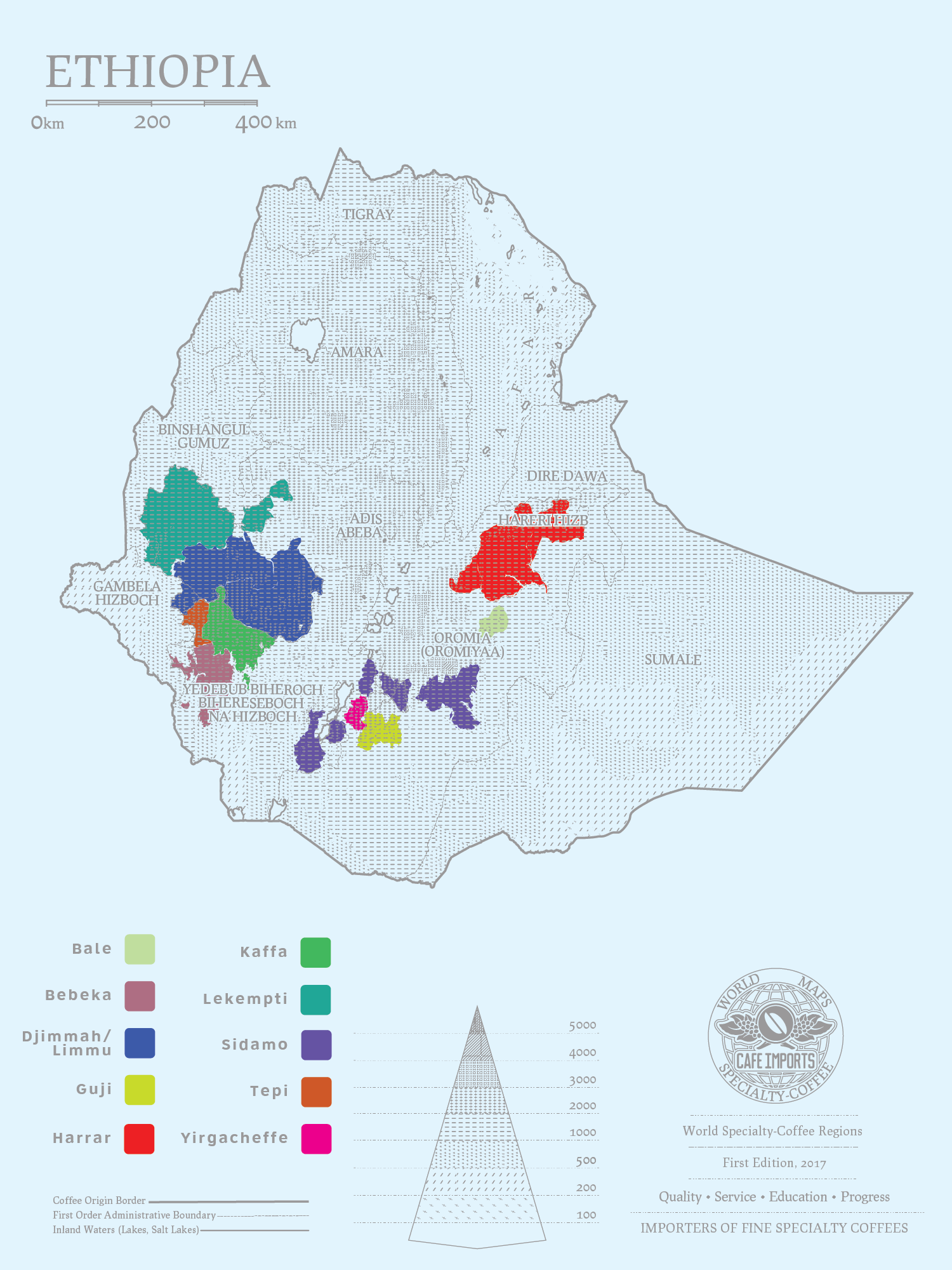
Ethiopia has nine major coffee-growing regions, among which Sidamo and Yirgacheffe are two highly representative origins. These two regions not only differ in geographical conditions, but also in their coffee flavor profiles and processing techniques, each fostering its own loyal following.
Let’s start with the Sidamo region, located in southern Ethiopia and encompassing administrative zones such as Arsi, Bale, and Guji, with altitudes ranging from 1,400 to 2,000 meters. The coffee here, thanks to the diversity of soil and microclimate, exhibits rich flavor layers. Among them, Guji and West Arsi are particularly popular origins in the international market. Sidamo coffee is often processed using the natural (sun-dried) method, which enhances fruity aromas and a full body, resulting in a rounder and more layered cup. Huila Kou, a coffee that has gained fame in recent years, hails from the Guji zone within Sidamo and is meticulously processed using the natural method by the Buku Abel washing station. The growing environment around Huila Kou features sugarcane and banana plantations, coupled with high-altitude climatic conditions, giving it a smooth mouthfeel and pronounced passion fruit acidity. The natural processing further imparts a unique fermented wine-like aroma, and its flavor profile often includes notes of strawberry, cream, and tropical fruits.
In terms of parameters, Huila Kou is grown at an altitude of approximately 2,050 to 2,300 meters, is of Ethiopian native variety, and is processed using the natural method. These factors collectively shape its intense and layered flavor expression.
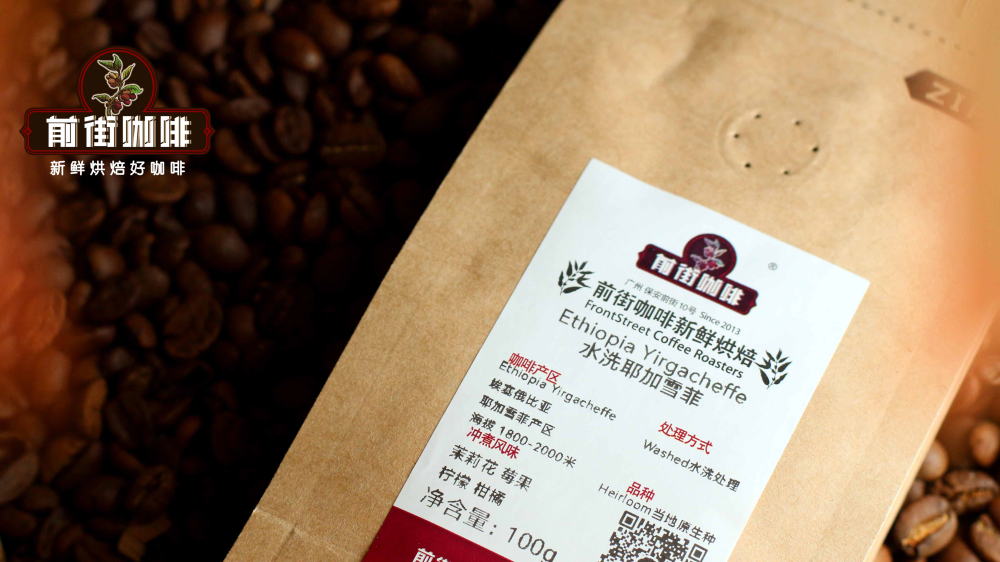
In contrast, Yirgacheffe is a town located at an altitude of 1,700 to 2,100 meters. Its original name, Yirga Cheffe, means "let us settle on this moist land." Originally part of the Sidamo region, Yirgacheffe became an independent designated coffee origin due to the distinctive flavors of its coffee. It is renowned for its bright acidity, rich floral and fruity notes, and is a popular choice for many beginners exploring specialty coffee. Coffee from this region is mostly processed using the washed method, which highlights its cleanliness and clarity of sweet and sour tones. Common flavor descriptions include jasmine flower, fresh citrus acidity like lemon or lime, and sweet notes of peach and almond, accompanied by a unique tea-like mouthfeel.
Yirgacheffe · Gu Ding Ding coffee beans come from the Gu Ding Ding cooperative in this region. The cooperative became independent from the Worka Cooperative in 2012 and inherited rigorous green bean processing techniques. The coffee from Gu Ding Ding is also primarily washed, showcasing a clean and bright acidity along with an elegant citrus tone. The aftertaste often carries creamy and caramel sweetness, with a clean and layered mouthfeel.
For brewing suggestions, in order to fully highlight the fruity acidity and aromatic characteristics of these two coffees, it is recommended to use a higher water temperature and finer grind size, paired with a fast-flowing filter like V60 #01. Specifically, you can set the water temperature to 90–91°C, use about 15 grams of coffee, maintain a 1:15 coffee-to-water ratio, and aim for a grind size similar to EK43s#10 (approximately 80% passing through a 20-mesh sieve). During pour over, start with a 30-second bloom using 30 grams of water, then pour 95 grams, followed by the remaining 100 grams after about 1 minute. The total brew time should be controlled around 2 minutes and 10 seconds to achieve optimal flavor expression.
In summary, although both Huila Kou and Yirgacheffe are from Ethiopia, they offer distinctly different coffee experiences due to variations in regional terroir, altitude, and processing methods. Huila Kou excels with its intense floral aromas, berry acidity, and fermented wine notes, making it ideal for those who enjoy rich layers and fruity profiles. On the other hand, Yirgacheffe stands out with its bright and clean acidity, jasmine floral notes, and tea-like quality, serving as an excellent choice for savoring the classic flavors of Ethiopia. By understanding these differences, you’ll be able to more precisely select and brew your preferred coffee flavors.
The above content is compiled by CoffeeHunters, a coffee news website.


