







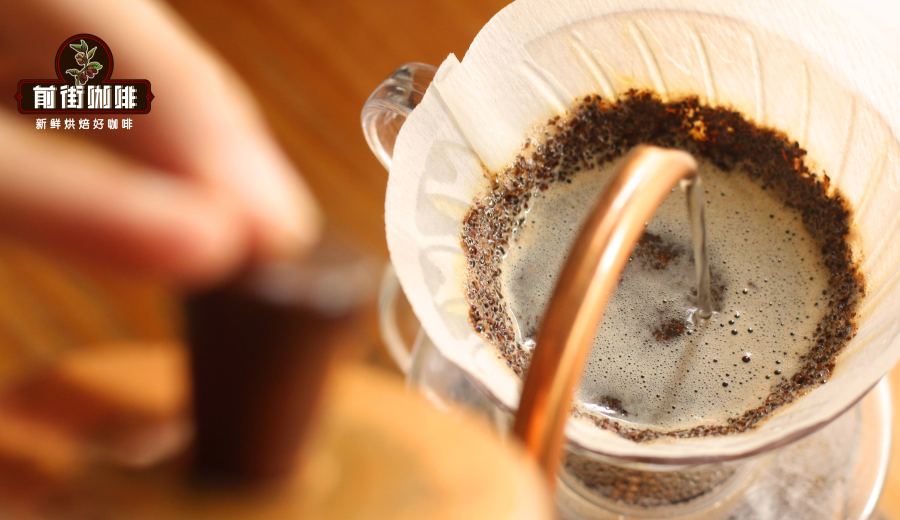
Introduction:Pour over and espresso are the two mainstream brewing methods in the specialty coffee world, but many enthusiasts still have only a vague understanding of their differences. This article provides an in-depth comparison of their core distinctions across four key dimensions: coffee bean selection, extraction principles, serving size, and caffeine release. It also includes practical parameters and flavor profiles to help you make a more informed choice based on your personal taste preferences.
In the specialty coffee scene, pour over and espresso are the two most popular brewing methods, yet many coffee lovers often find the differences between them confusing. This article will systematically analyze the distinctions between the two from four key aspects: bean variety selection, extraction pressure, serving cup size, and caffeine content, helping you gain a clearer understanding of the core characteristics of these two brewing systems.
First, in terms of coffee bean selection, pour over coffee typically favors single-origin beans, with a flexible range of roast levels spanning light, medium, to dark roast. For example, those who prefer bright floral or fruity notes can opt for lightly roasted beans; if you enjoy sweetness and nutty aftertaste, medium-roasted beans are an ideal choice; while those who dislike acidity may try dark-roasted beans. In contrast, espresso is usually made with dark-roasted blends that blend well with milk or hot water, making them suitable for drinks like cappuccino, americano, or latte. When crafting high-quality espresso, the use of a professional grinder is crucial, as it directly impacts the final flavor profile.
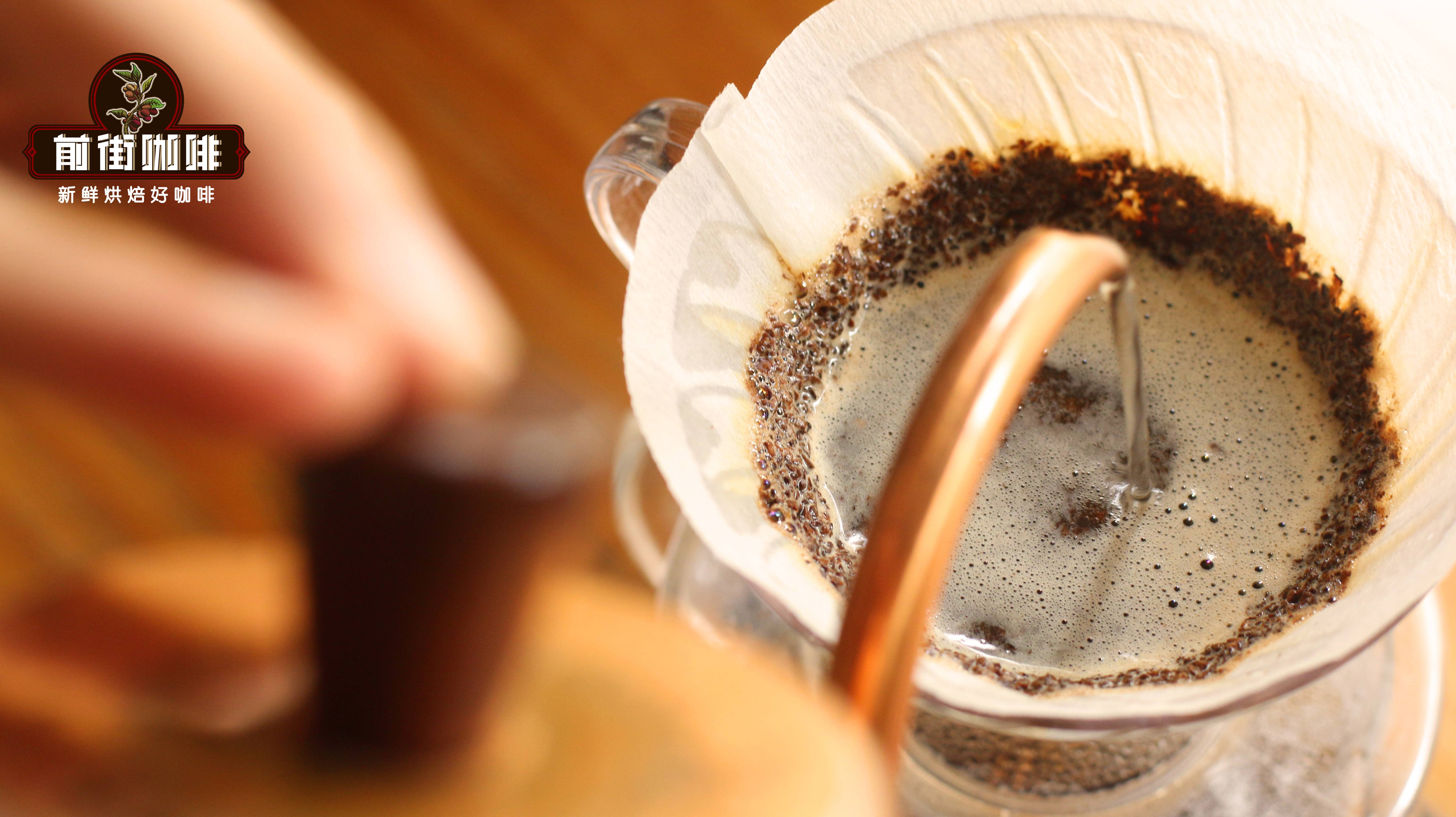
Regarding extraction pressure, pour over coffee relies solely on one atmosphere of pressure for extraction. Even when using tools like a moka pot or AeroPress, the pressure does not exceed approximately three atmospheres. In contrast, espresso is brewed using a professional coffee machine that applies up to nine atmospheres of pressure. The coffee puck in the portafilter is subjected to about 133 kilograms of force, extracting a rich array of coffee compounds to produce a thick, full-bodied shot, perfect for blending with milk to make lattes or diluting with water for americanos.
In terms of serving size, the typical yield for pour over coffee ranges from 150 to 300 milliliters, with the exact volume varying depending on the brew ratio. Espresso, on the other hand, usually has a serving size of just 30 to 60 milliliters, which also changes according to adjustments in the brew ratio.
Concerning caffeine content, when the amount of coffee grounds and grind size are consistent, caffeine being water-soluble means that the longer the extraction time, the more caffeine is released. Single-origin brews generally take 1 to 3 minutes, whereas espresso only requires 20 to 30 seconds. Therefore, under the same conditions, single-origin coffee usually contains more caffeine. This also means that long extraction methods like cold drip or cold brew tend to have significantly higher caffeine content compared to other types.
In summary, pour over and espresso differ significantly in concentration, flavor expression, and suitable scenarios. The aroma and flavor of single-origin coffee can easily be masked when mixed with milk, making it more suitable for standalone enjoyment. With this understanding of the differences, you can choose the brewing method that best suits your personal taste preferences.
The above content is compiled by CoffeeHunters, a coffee news website.


